Catalan Photographs

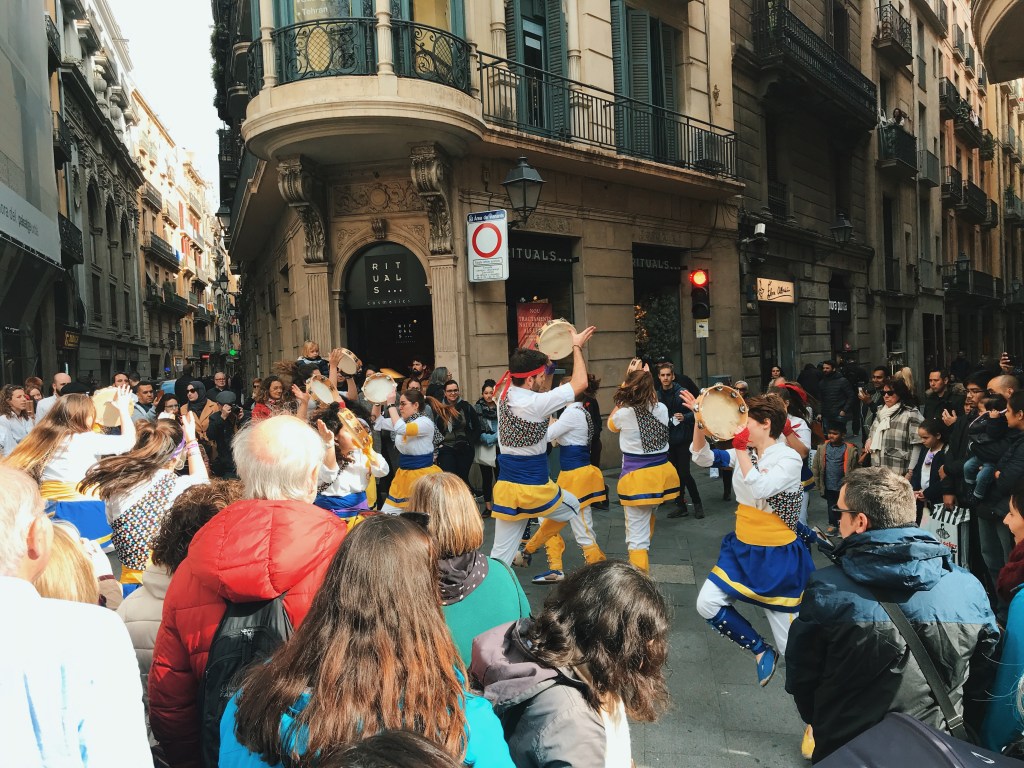
The above photo represents Catalan culture to me because of the pride and excitement I felt amongst the crowd, when I was watching the dance performance. I was walking through the streets when I ran into these dancers, at the festival of Saint Eulalia. Locals surrounded the dancers, clapping and some people even joining in the dancing. The dance they performed is called the Sardana, the traditional national dance of Catalonia. The Catalan dance is a symbol of Catalan unity and pride. The dancers joined their hands together and danced in circles with small precise steps. They were accompanied by a small group of musicians with brass instruments. Along with the Sardana, different dances were performed with tambourines. The Catalans are a proud and patriotic people with distinct traditions and culture that sets them aside from the rest of Spain, and this pride and culture was clearly portrayed through their dancing.
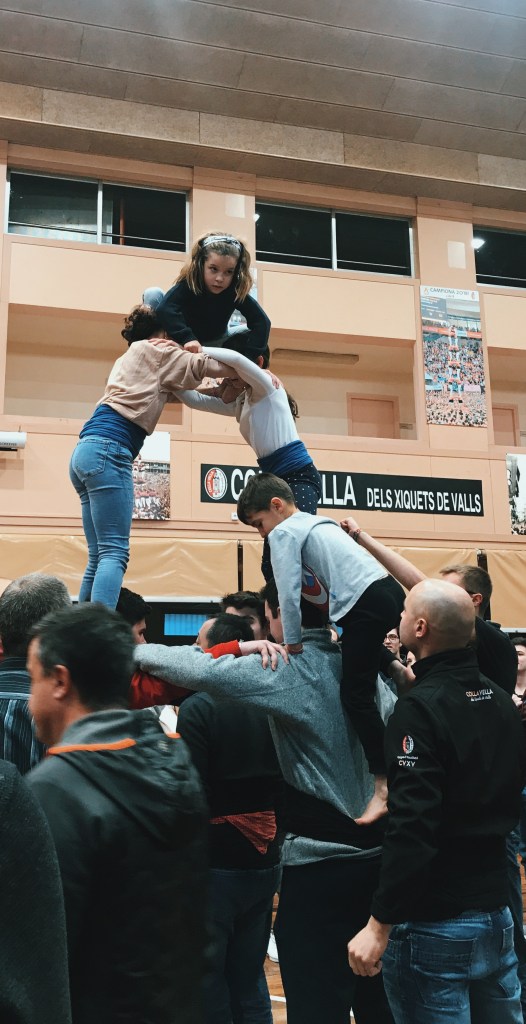
I chose this photo because human towers, represent solidarity and team spirit among Catalan people. My first experience of watching a team of “castelleres” forming a tower was amazing, and something I was always on the lookout for in Barcelona. The sport of building human towers starts off many cultural activities and festivals. People in Catalonia started to build “castells” in the early 18 century and they became popular in Catalonia in the 19th century. In recent years, with Catalan nationalism, human towers are more popular than ever before. The towers represent Catalan culture’s ability to adapt, bringing together tradition and modern practices. Having the opportunity to build a human tower in Tarragona, the home of the tradition, helped me realize that the build is less about the tower and more about the teamwork and what the success of the build symbolizes. The human towers are a visual way to represent participants’ pride in Catalan culture.
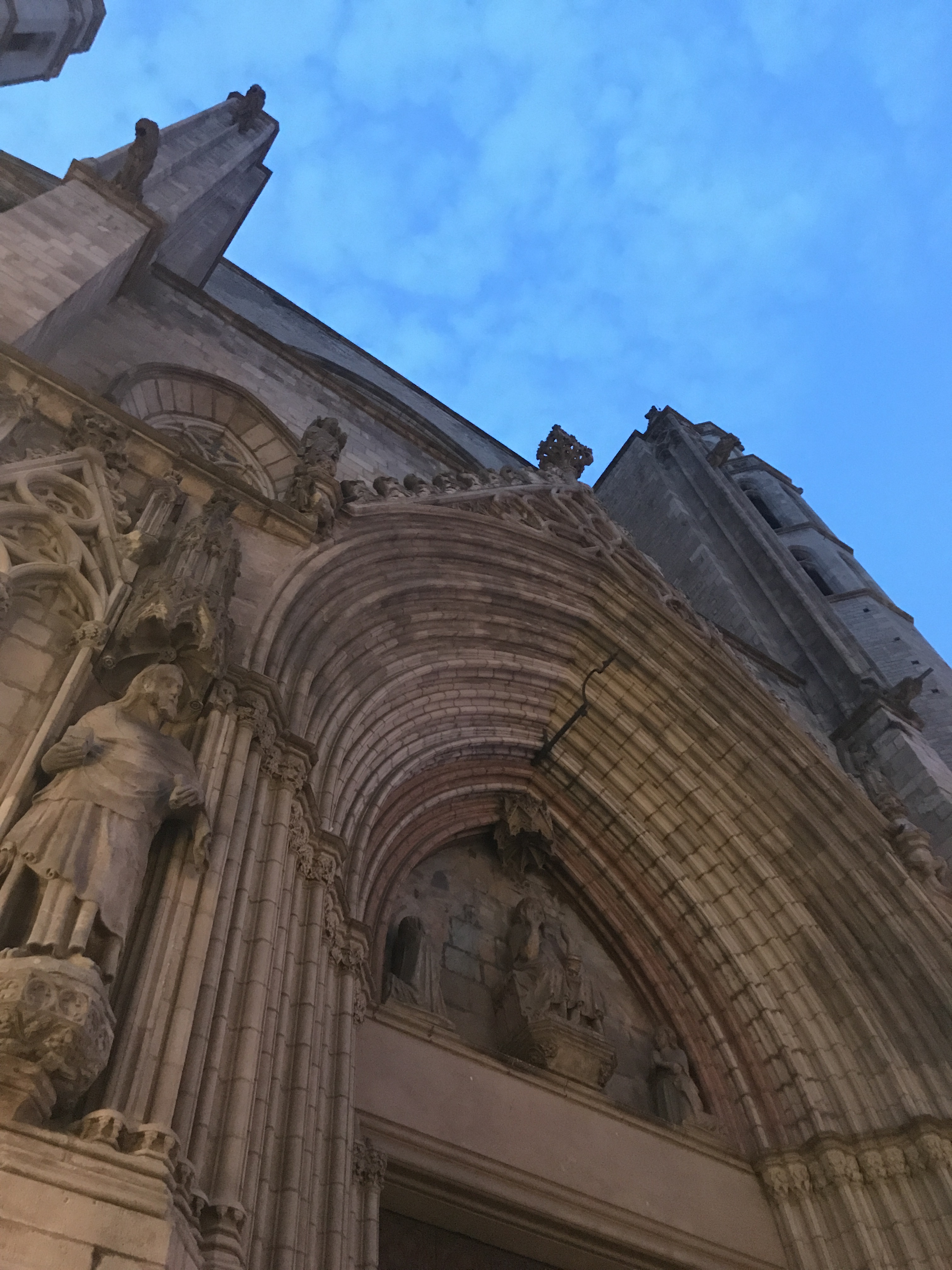
While religion does play a large part of Catalan culture, I didn’t choose this photo for its religious representation. The photo above of Santa Maria del Mar symbolizes Catalan culture to me because it was built “made for workers, by workers,” unlike the Cathedral of Barcelona. During my time in Barcelona, a lot of my professors spoke about the pride Catalans have in their work ethic and commitment. When I was thinking of a way to represent these Catalan traits, I couldn’t help but think of the Santa Maria del Mar. The church was built by hard working citizens and continues to be the people’s cathedral today. Normal, hard-working people attend mass, get married, and are buried in the Santa Maria del Mar. When I walked into the Cathedral for the first time, I was overwhelmed by its simplicity but grandness all at once. The Cathedral was designed to represent the hard-working people, and I think the popular church is a perfect symbol of Catalan culture.
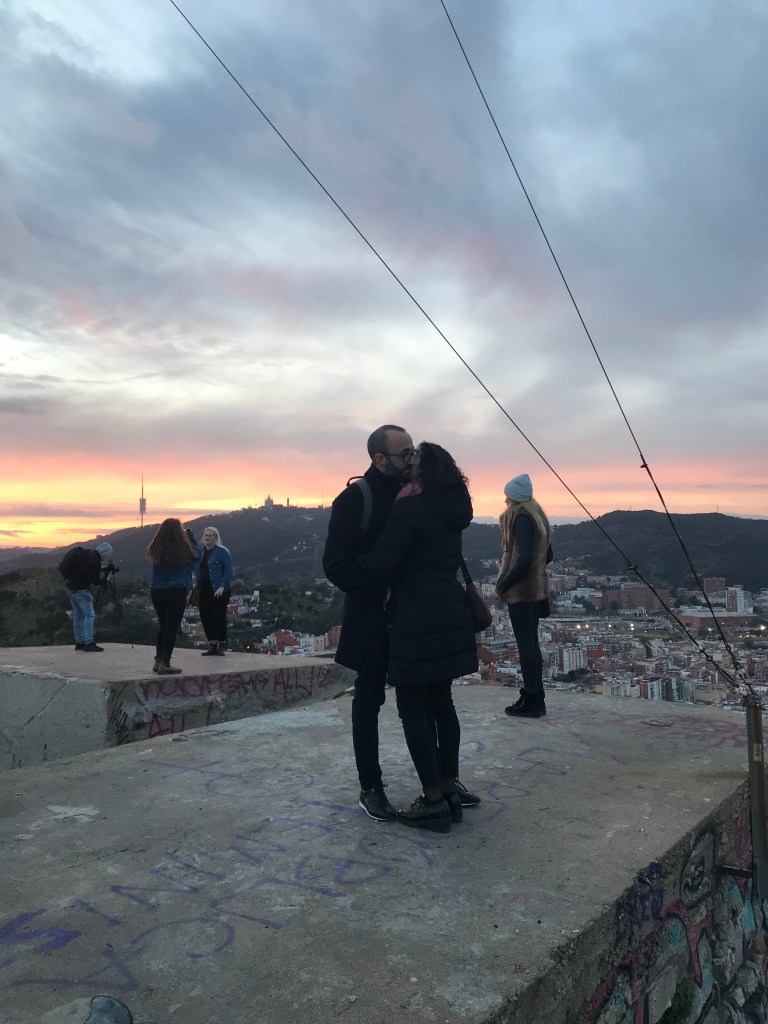
The photo above is one of my favorite photos I took while I was in Barcelona, and it wasn’t even intentional. I was trying to capture a picture of the sunset but accidentally caught an intimate moment between two people. While I thought to delete the photo at first, I decided to keep it because it felt like a perfect symbol of Catalan culture to me. During my time in Barcelona, I noticed a lot of public displays of affection. I was really not used to that, so at first it made me a little uncomfortable. As I learned more about Catalan culture and the importance Catalans put on quality time with loved ones, it started to make me smile when I saw public affection through-out my day. To me, this photo represents the slower speed of the Catalan routine and how Catalans take time out of their day to enjoy the sweet things in life, like affection.
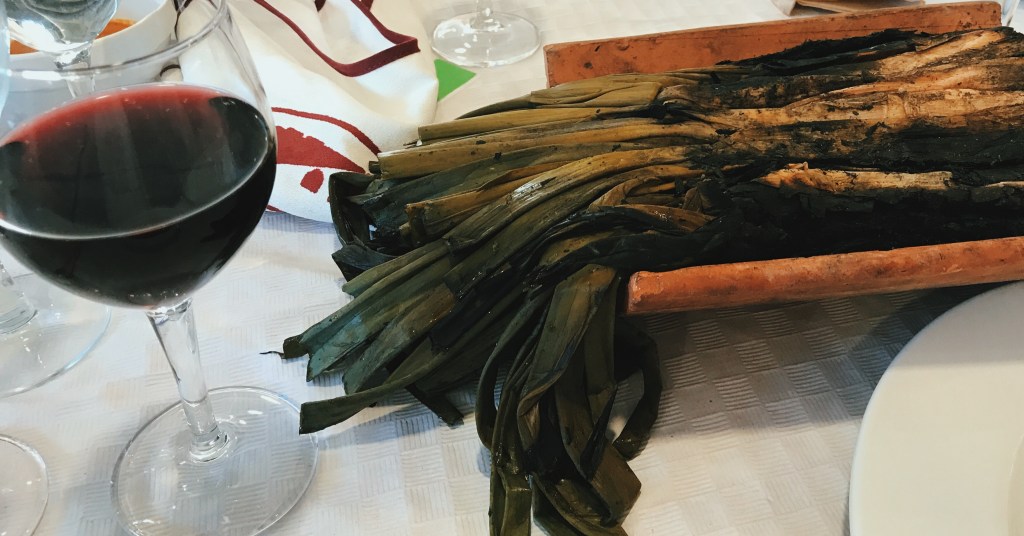
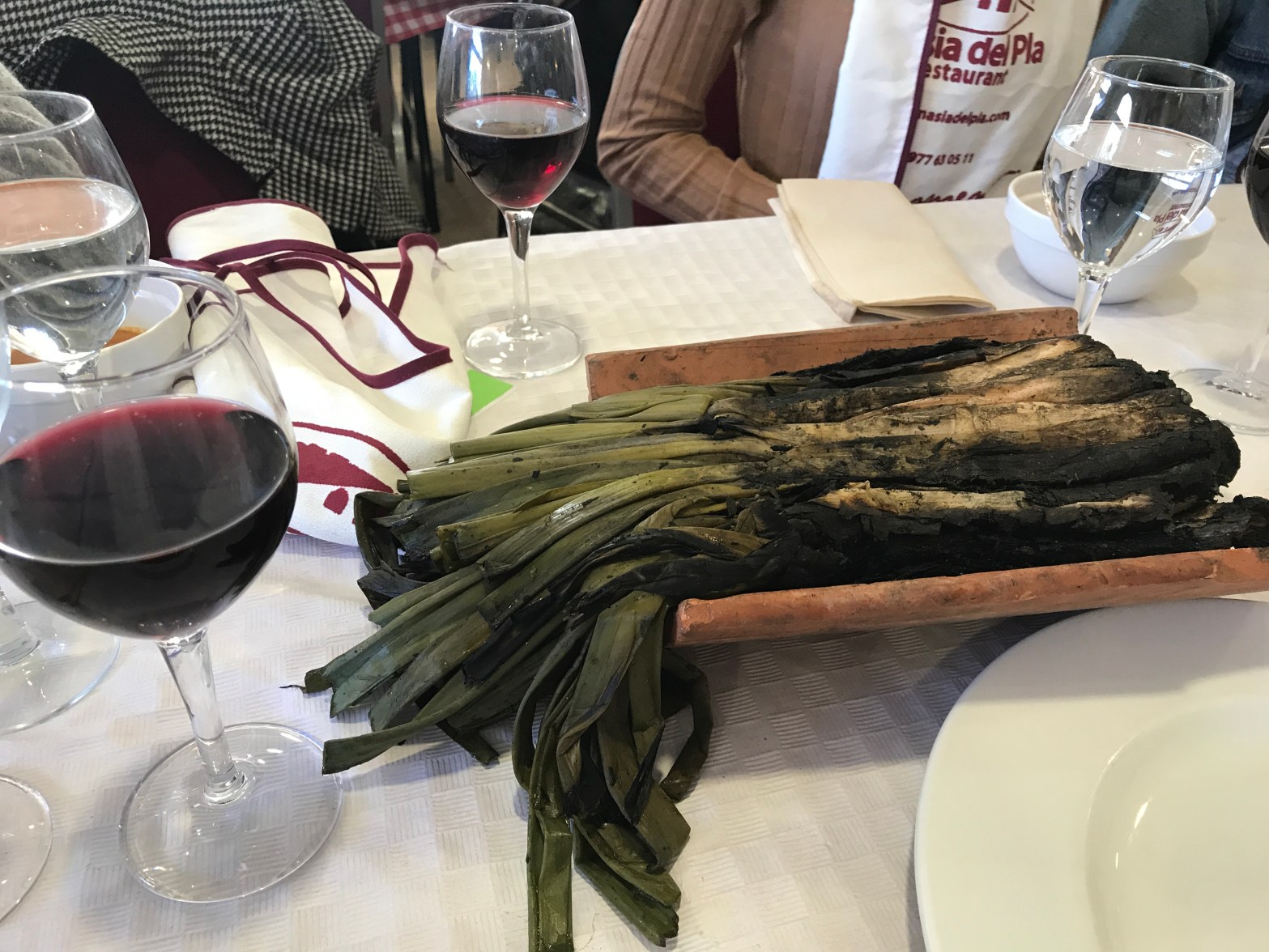
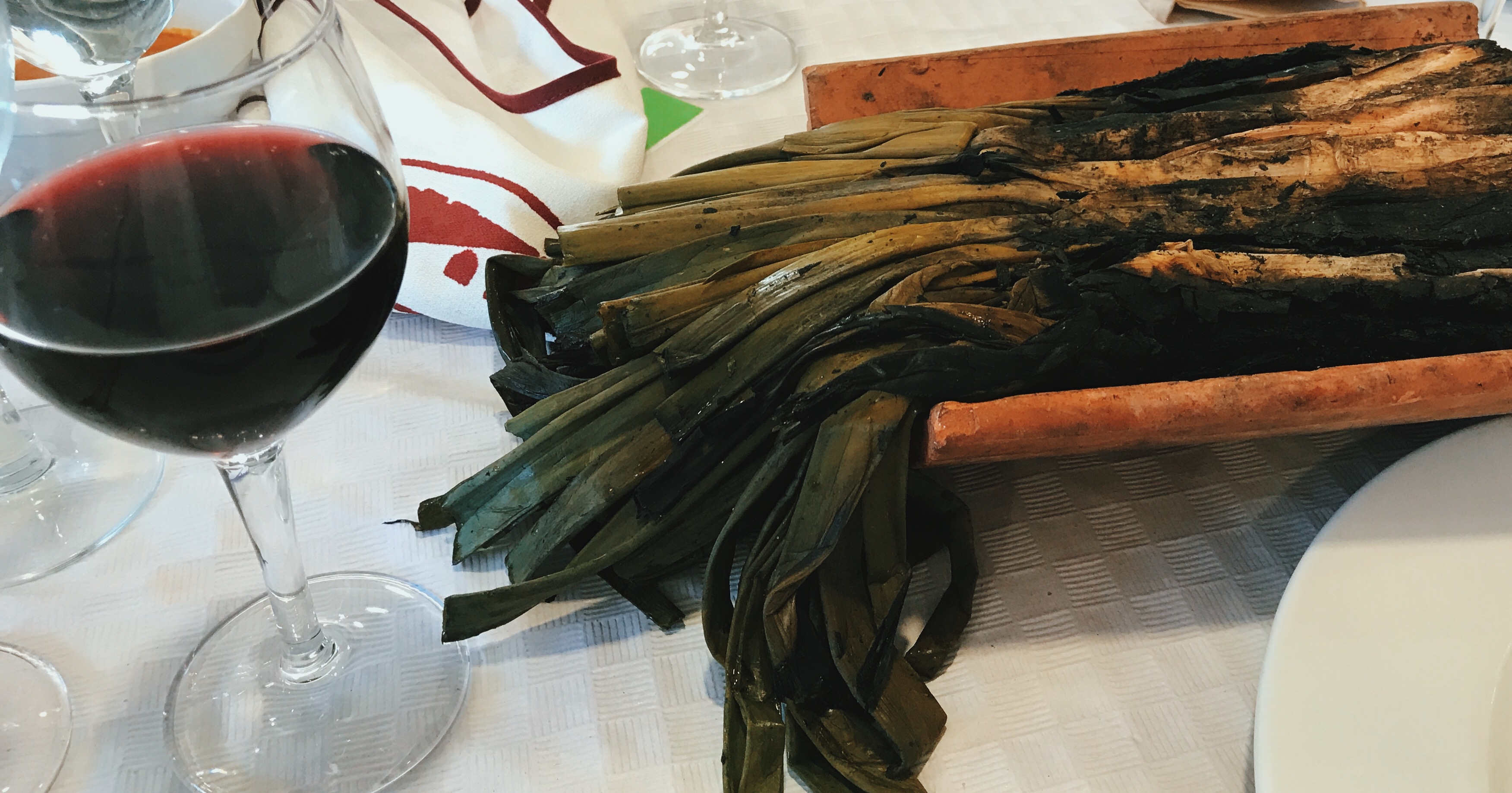
The photo above represents the importance of family, friends, and food in Catalan culture. As I spoke about in my calçots blog post, I enjoyed my first experience trying calçots and would love to attend a calçotada one day. The signal of spring brings friends and families together to celebrate with food and wine. I can imagine feeling the strong culture of Catalonia at these calçotadas like I do at American barbeques on the Fourth of July. I loved hearing my professors mention their own calçotadas and how they would brush them off as a normal weekend event. To me it didn’t seem like a normal event, but family gatherings of this sort are so engrained in Catalan culture that it would surprise my professors when I was curious to know more. Catalan wines and calçots play a large role in keeping family and Catalan traditions alive. Collectivism between families and friends can be seen for generations in Catalan culture.
Ómnium Cultural

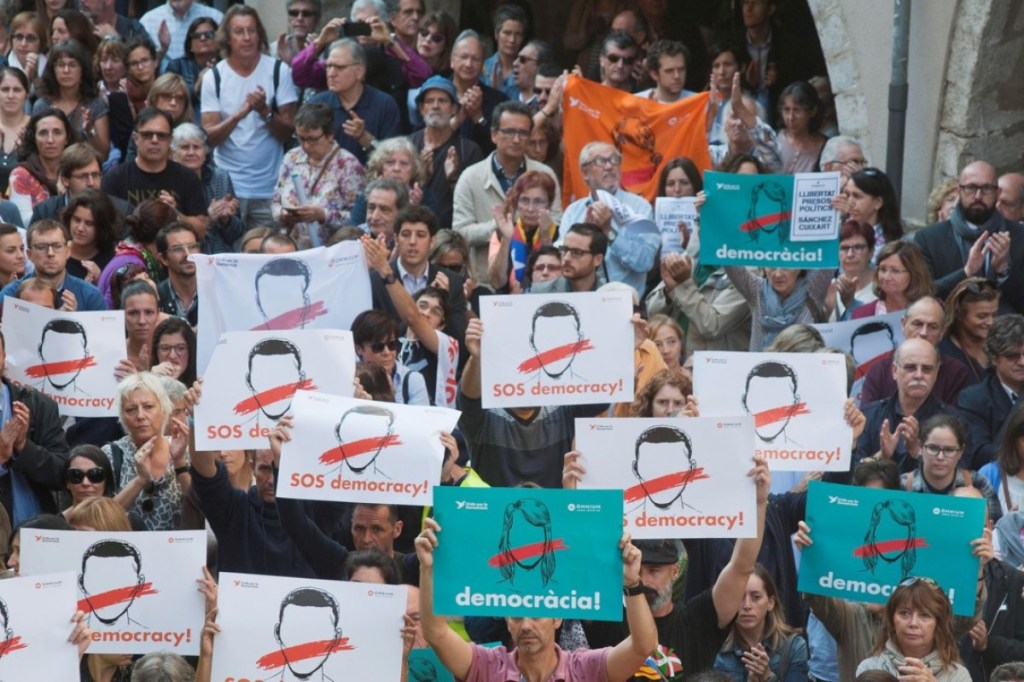
Ómnium Cultural is a non-profit organization that has more than 165,000 members and 58 years of history. The Catalan Association was started on July 11, 1961, at the height of 40 years of Franco dictatorship, Òmnium Cultural emerged to combat censorship and persecution of Catalan language and culture. Currently, Òmnium Cultural is one of the main non-profit entities of the Spanish State. Since 2010, Òmnium Cultural is the entity that has promoted the most massive peaceful mobilizations in Europe , with the help of the Catalan National Assembly (ANC),  for Catalan Independence and, more specifically,  in favor of the right of Catalans to freely and democratically choose their political future through a referendum of self determination. Despite not holding a position in any government, the non-profit organization still has their own campaigns and projects that revolve around political, social and cultural issues, such as the fight for Catalan independence.

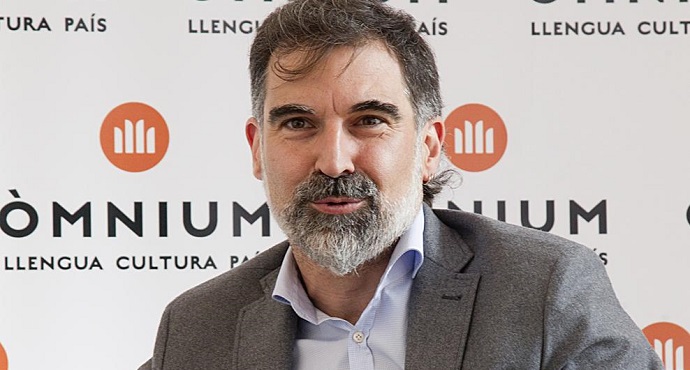
Jordi Cuixart is the 10th president of Òmnium Cultural and a 43-year-old Catalan businessman and activist. Cuixart is in prison for having exercised basic rights such as the right to protest and the right to freedom of expression in defense of the Catalan referendum on October 1, 2017. In June 2018, coinciding with the eight months in prison, he was re-elected president in the most massive general assembly in the history of the entity. He has been a member of Òmnium since 1996. Ómnium Cultural is an organization very focused on its main goal, Catalan independence.

Local News: Algorithm to detect COVID-19 cases

In a report by ACN, Hospital Clínic, a Barcelona hospital, is helping the Massachusetts Institute of Technology (MIT) to develop an algorithm for an application that can detect COVID-19 cases by recorded coughing.The project is being led by a Catalan researcher, Brian Subirana, and is aimed at confirming positive cases by answering questions and recording samples of coughs. The hope for the algorithm is to help with the return to normal life and to provide a simple way to test and prevent more outbreaks. Subirana is calling for help by more contributions of cough samples. The initiative is currently focused on collecting data to produce trustworthy results, but it will soon be presented to the scientific community for validation.

The use of algorithms and applications to combat the current pandemic is a sign of the times and an example of how people are leaning on technology more than ever before. Catalonia’s advanced medical system and research will be extremely helpful making headway to combat the virus. I enjoyed this article because I think all the different ways people are using technology to make the best of the situation is very encouraging. I think this advance in technology will affect health systems’ operations going forward.

https://www.catalannews.com/tech-science/item/algorithm-aims-to-detect-covid-19-cases-with-app-that-records-coughing

Local News: Catalonia registers nearly 2,000 deaths in nursing homes

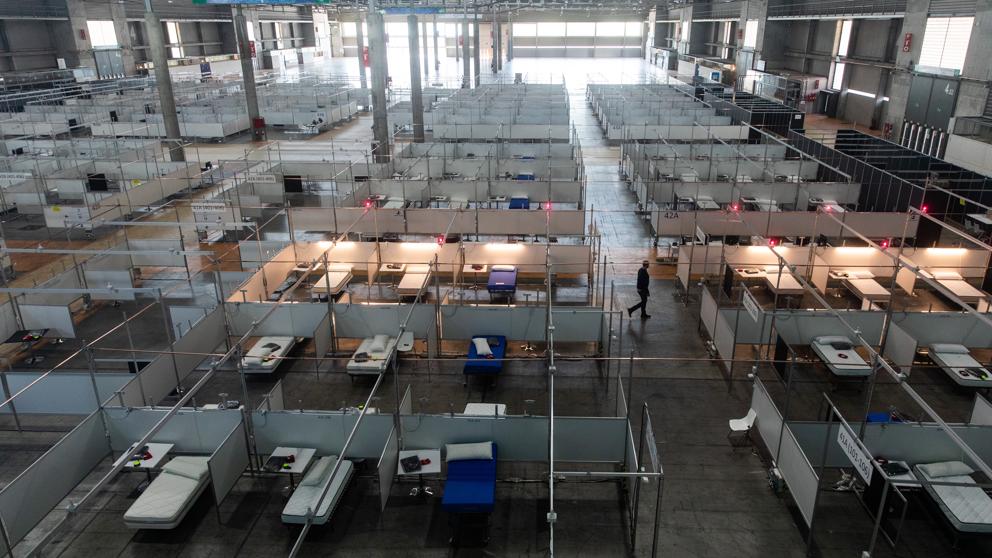
Antoni López Tovar, La Vanguardia journalist, reports that the health system is already under massive stress to take care of the general population, but the nursing homes require special attention. Salut took over care of the nursing homes, housing 64,000 people, about a week ago. Many residents have been displaced, fallen victim, or moved back home to their families. Salut has installed a medicalized residence in the Poble Sec neighborhood of Barcelona that has 240 beds. The mayor of Barcelona stresses the urgency of the situation based on the high number of deaths in the city’s nursing homes. Health aspects not related to the pandemic can also not be ignored and cannot be shut down for much longer without major loss.

This article stood out to me because the danger of being in a nursing home is occurring all over the world, and could greatly impact the aging population of Spain. It is very scary that such a contagious pandemic could be spread around an entire nursing home, where most of the residents are not healthy enough to fight it. This is causing logistical issues for Barcelona to find places to keep its residents safe. I think its a good thing action is beginning to take place to protect the segment of the population most affected by the pandemic.

https://www.lavanguardia.com/vida/20200415/48517761040/catalunya-registra-cerca-de-2000-muertes-en-residencias-de-mayores.html

Local News: An independent Catalonia better suited to respond to Coronavirus?

Alex Tort, La Vanguardia journalist in Barcelona, reported about the disapproval of the Generalitat de Catalunya about the Spanish government’s claim of safety and health. The Generalitat de Catalunya’s president, Quim Torra, hinted that an independent Catalonia woul have responded more effectively to the pandemic. He referred to reports by the Konrad Adenauer Foundation that said that small and decentralized states have given the best response to the Coronavirus. Torra also criticized the Spanish government saying that Prime Minister Sánchez has belittled some of his proposals and is not communicating with the Generalitat de Catalunya.

With the relationship between Spain and Catalonia prior to the pandemic, it is not surprising that this national crisis is furthering the bad blood between the two. It was interesting to see the contrast in the article between what Prime Minister Sánchez and Torra are saying. The Prime Minister ensures that Spain is doing all it can for its citizens. no matter their political views, while Torra criticizes the government for not communicating major decisions with Catalonian leadership. The President of the Generalitat also doesn’t agree with the recent decision to relax confinement on non-essential workers, saying the Catalan scientific community doesn’t agree. Not having a large background in Catalan politics makes it hard for me to say who I think is right in this situation, but I do believe there needs to be a lot better communication in order to effectively respond to the pandemic.

https://www.lavanguardia.com/politica/20200416/48558961813/torra-catalunya-independiente-respondido-mejor-coronavirus.html

International News: Trump’s Anti-crisis Checks

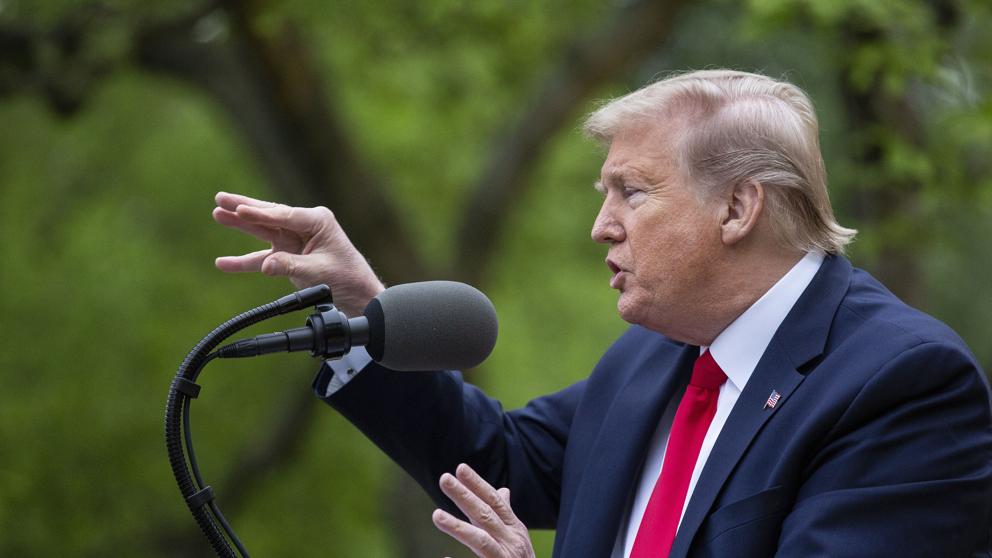
Beatriz Navarro, from La Vanguardia News, reports that the former businessman and current U.S president, Donald Trump, is putting his name in gold letters on something that is far more crucial than his branded hotels. Millions of Americans are about to receive anti-crisis checks that will help with the economic consequences of the coronavirus. With a $2.2 trillion stimulus plan, the U.S government plans to help every U.S taxpayer by sending $1,200, limited by income. President Trump has decided that his name will appear on the stimulus checks, an unprecedented action in all past economic catastrophes. Many critics are claiming this is “an abuse of governmental power” and is going to “result in a delay” for Americans receiving their checks. Critics are also saying Trump’s actions are exemplifying “Trump first, everyone else second.”

When I first saw that La Vanguardia had reported on Trump’s name on the anti-crisis checks, I was a little surprised because I thought it was something that would really only affect the United States. As I thought more about it, I realized that it important to Catalans too because it is a world wide economic issue. The fact that the President of the United States is focused on his name being on a document rather than the bigger issues at hand is concerning for all countries that has any dependencies on the U.S. This issue is less about the action itself and more about where the United States concerns lie within the grand scheme of this world-wide crisis.

https://www.lavanguardia.com/internacional/20200416/48549785646/cheques-anticrisis-donald-trump-recibiran-eeuu.html

Paella and Pinchos

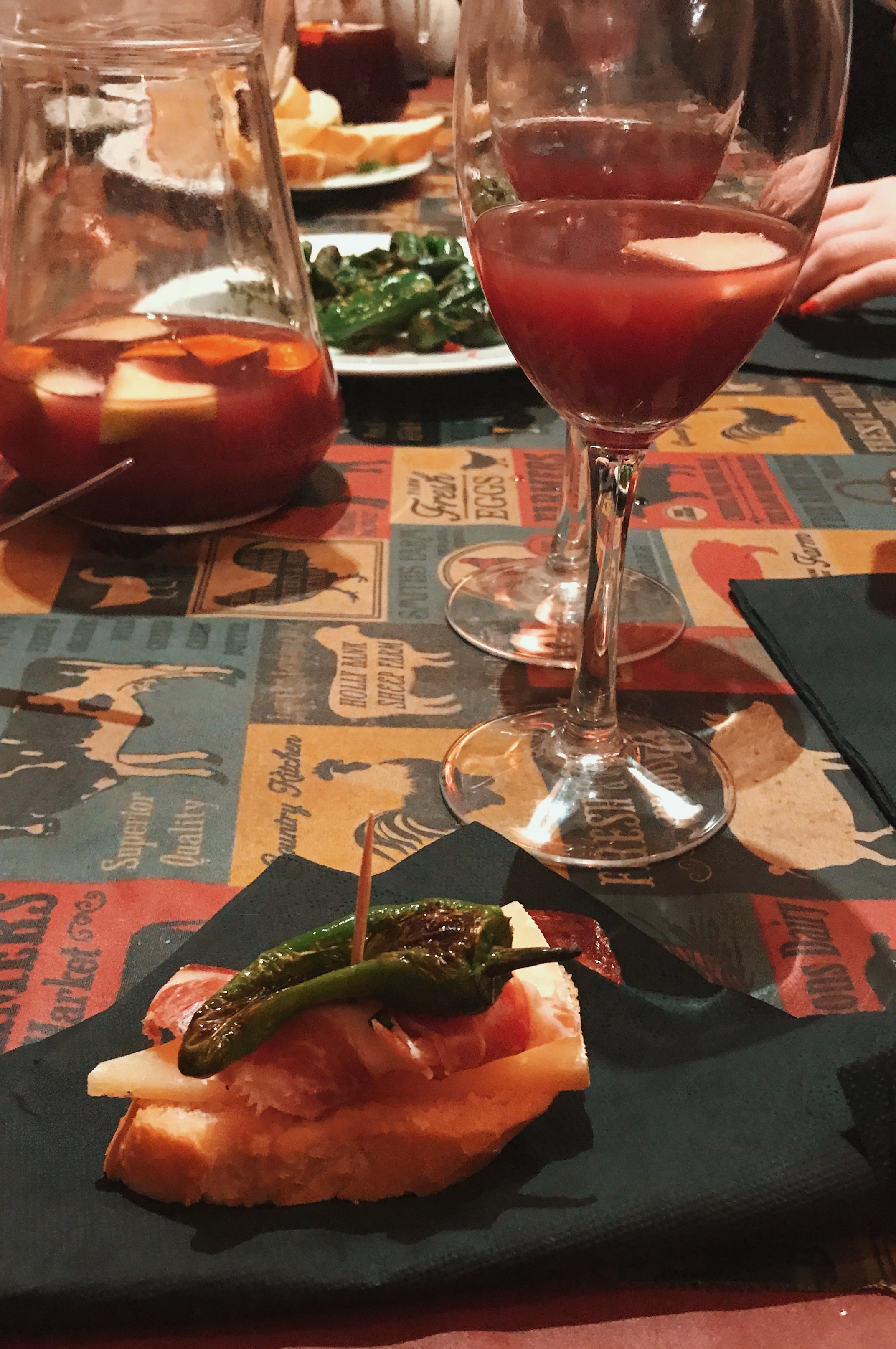
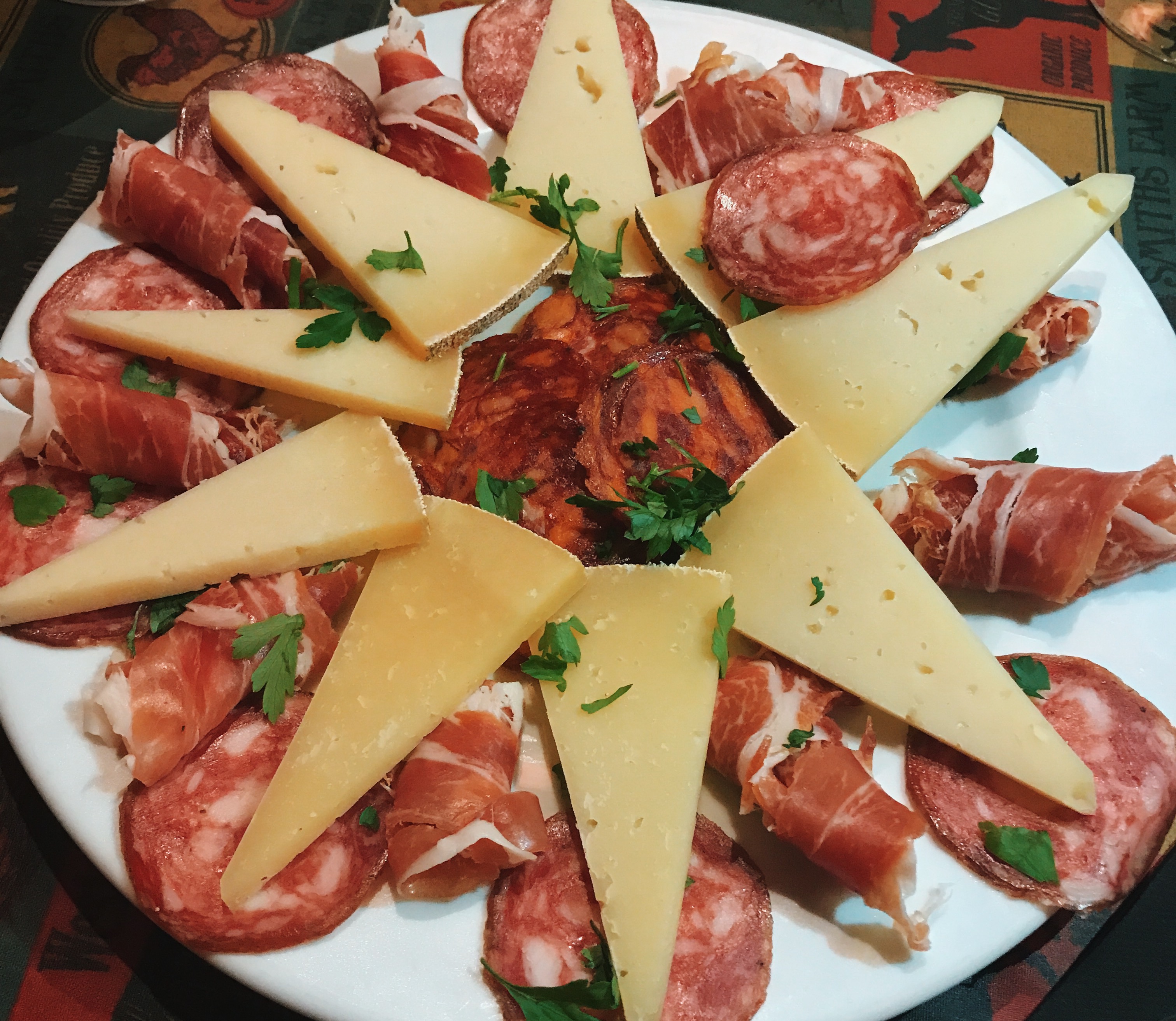
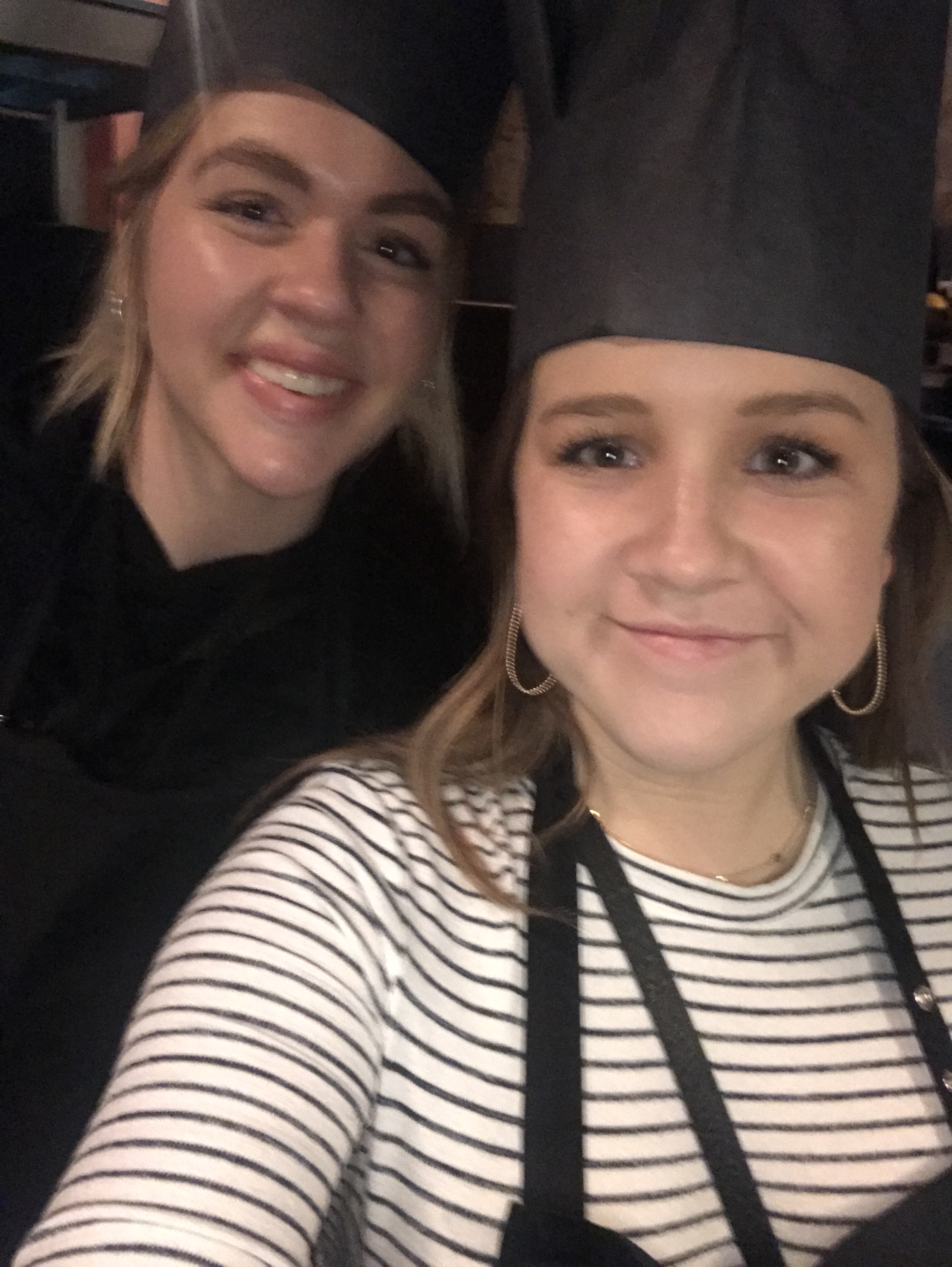
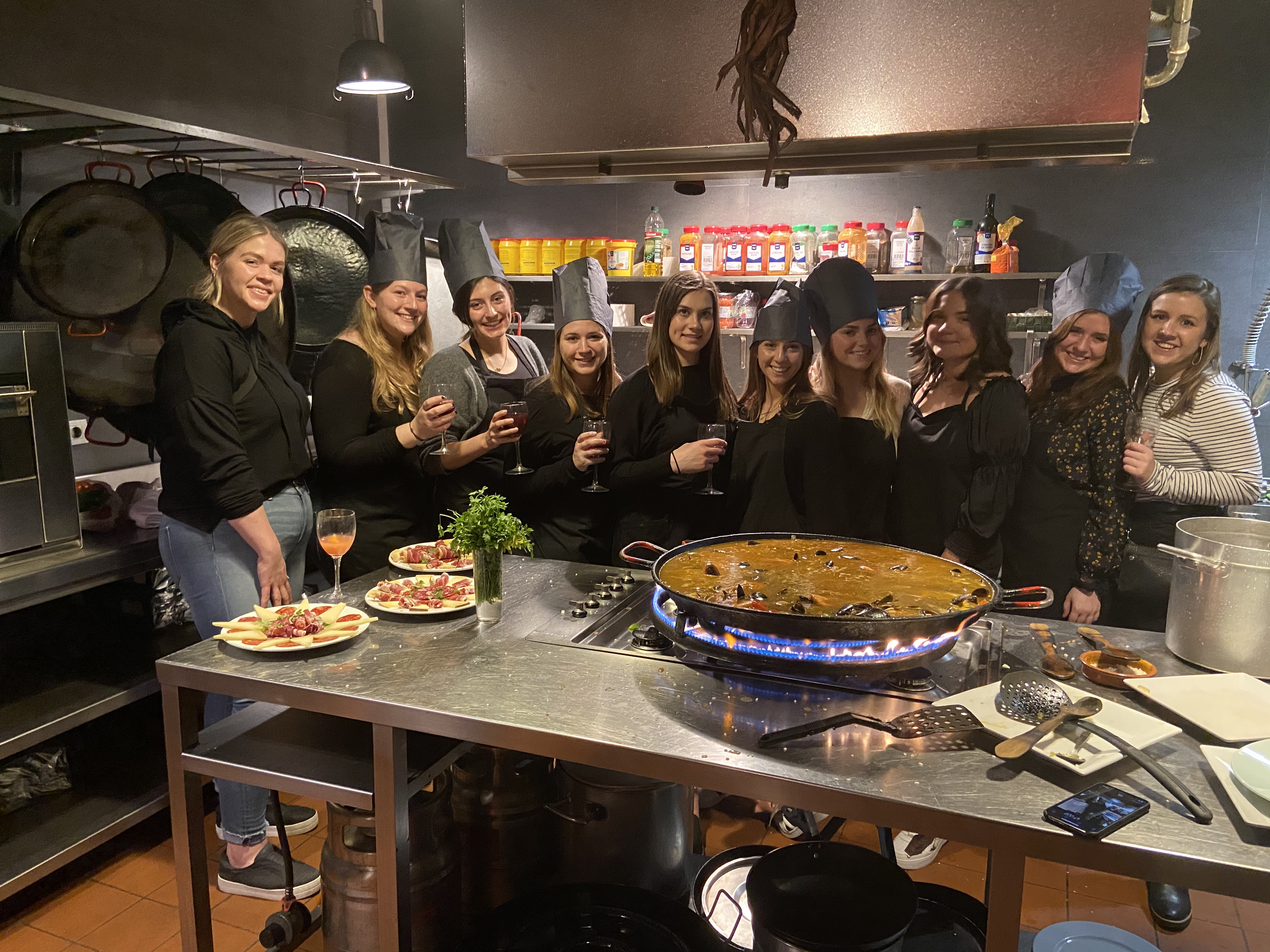
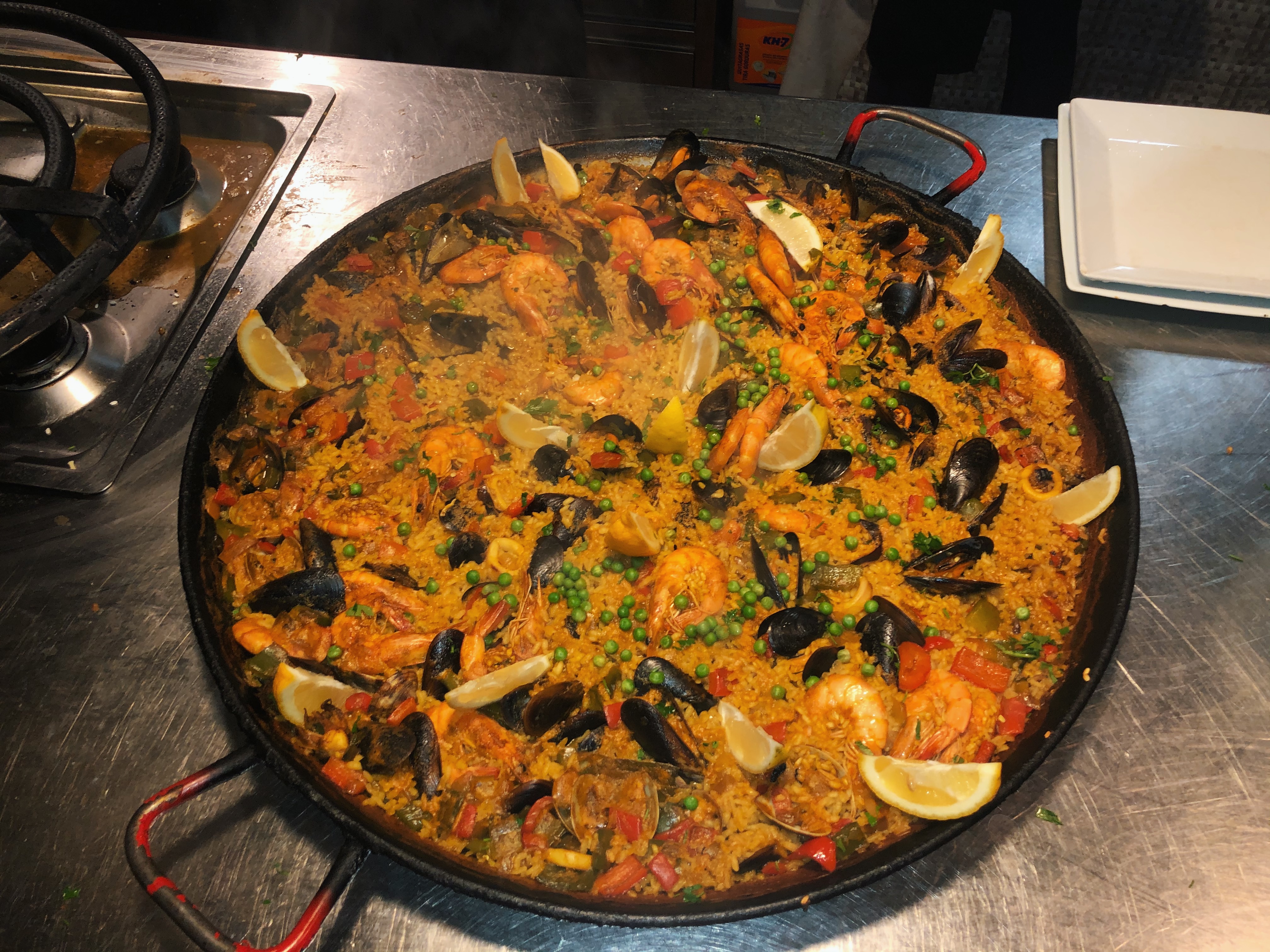
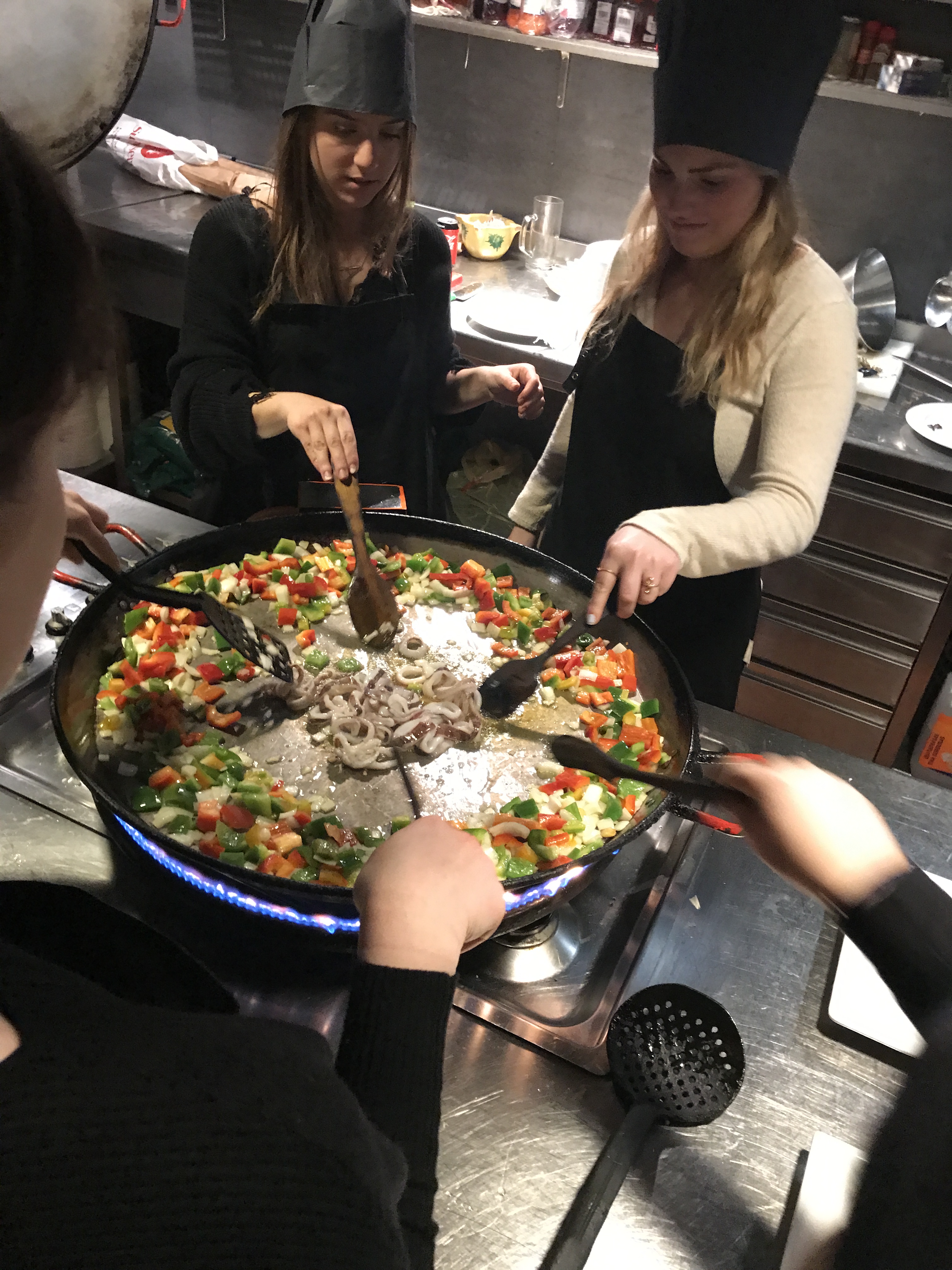
My friends and I got the full Paella experience one night in Barcelona when we signed up for a cooking class. The class began with instruction on how to put together pinchos. First we took small pieces of bread and grated a tomato on top, similar to when making Catalan tomato bread. Then we drizzled olive oil and sprinkled salt and pepper on top. Following that, we placed a slice of cheese and Iberian ham, topping it off with a Padrón pepper. We then finished the pincho by sticking a tooth pick through the center to hold the ingredients together.

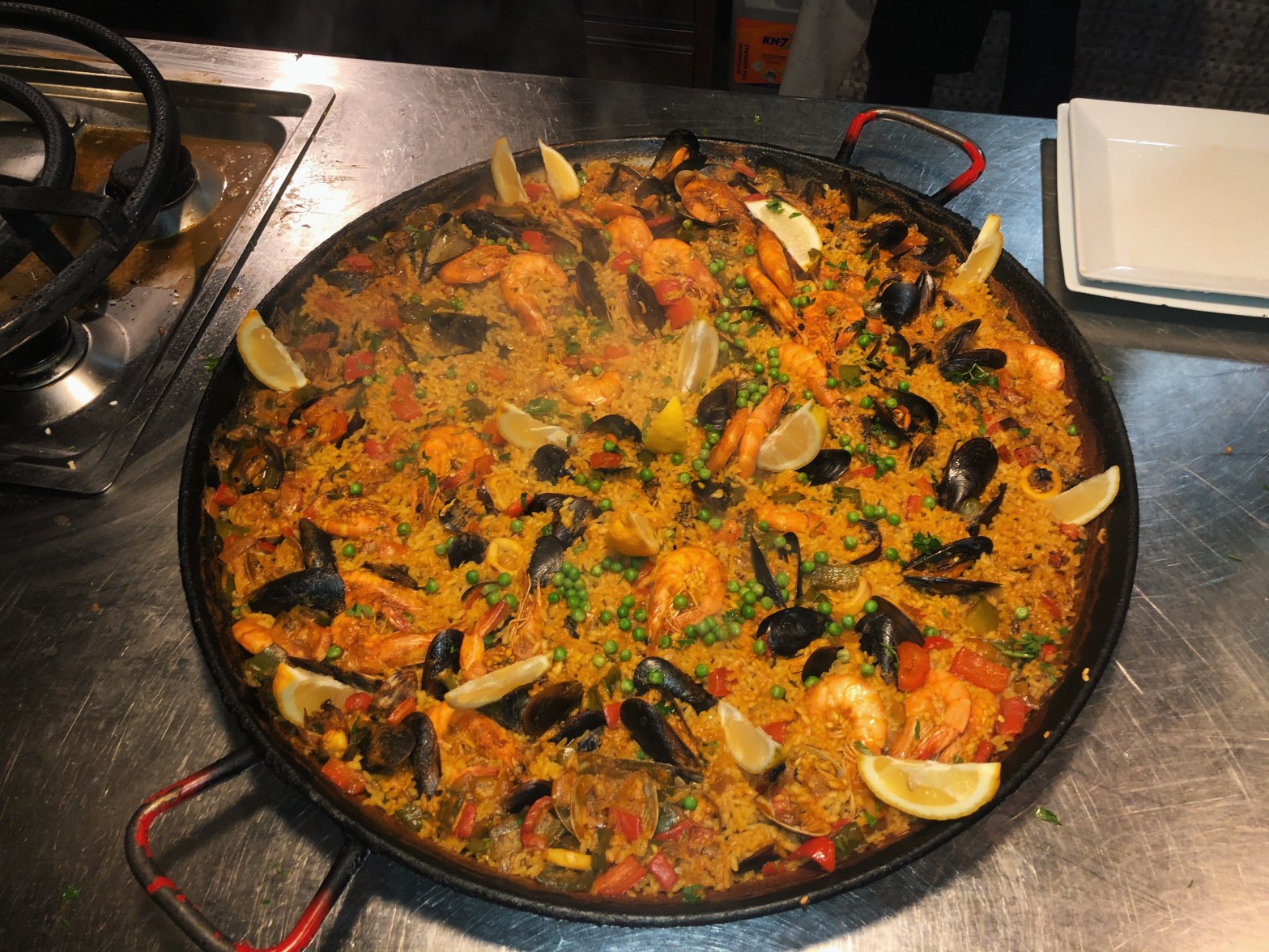
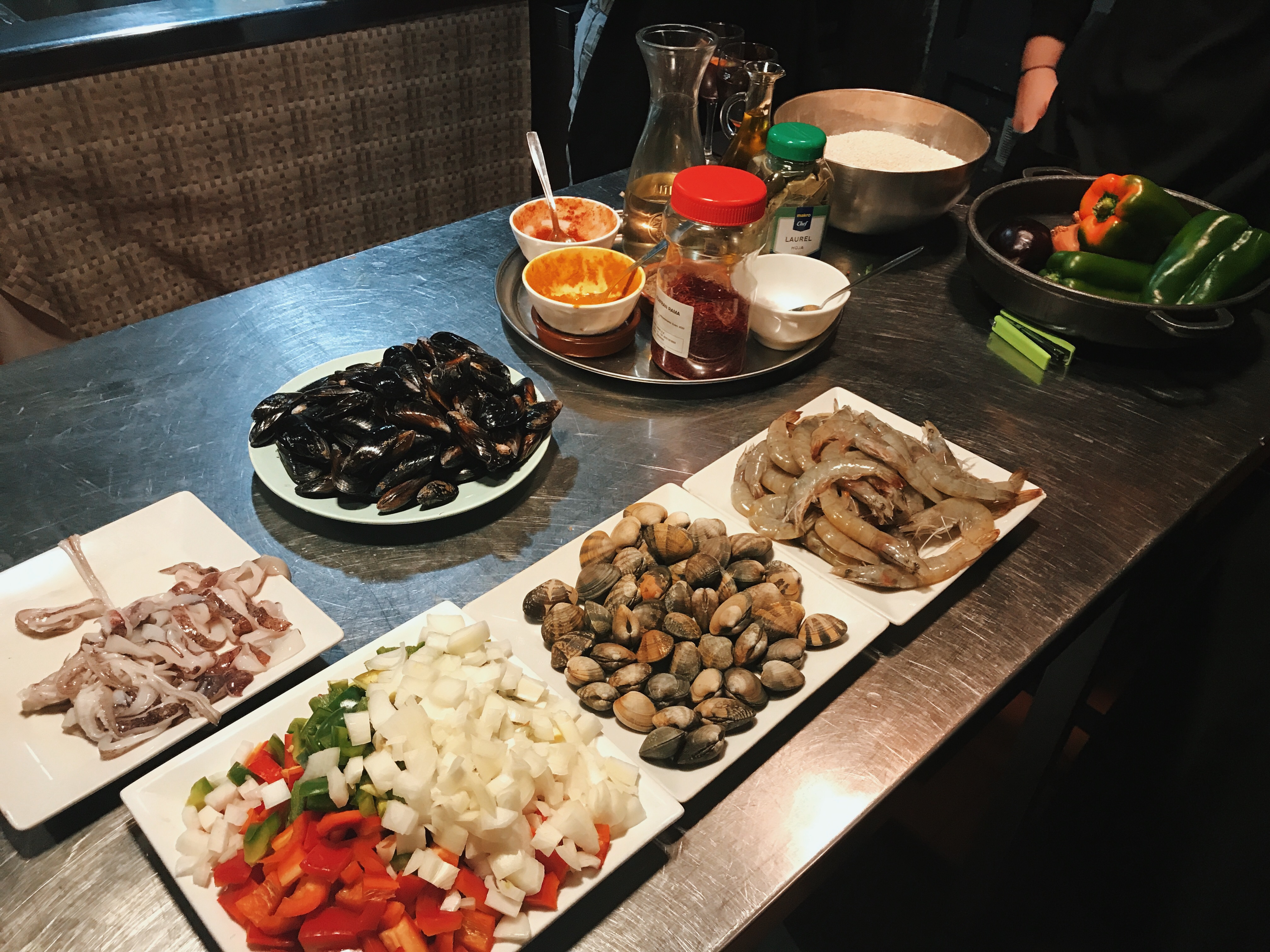
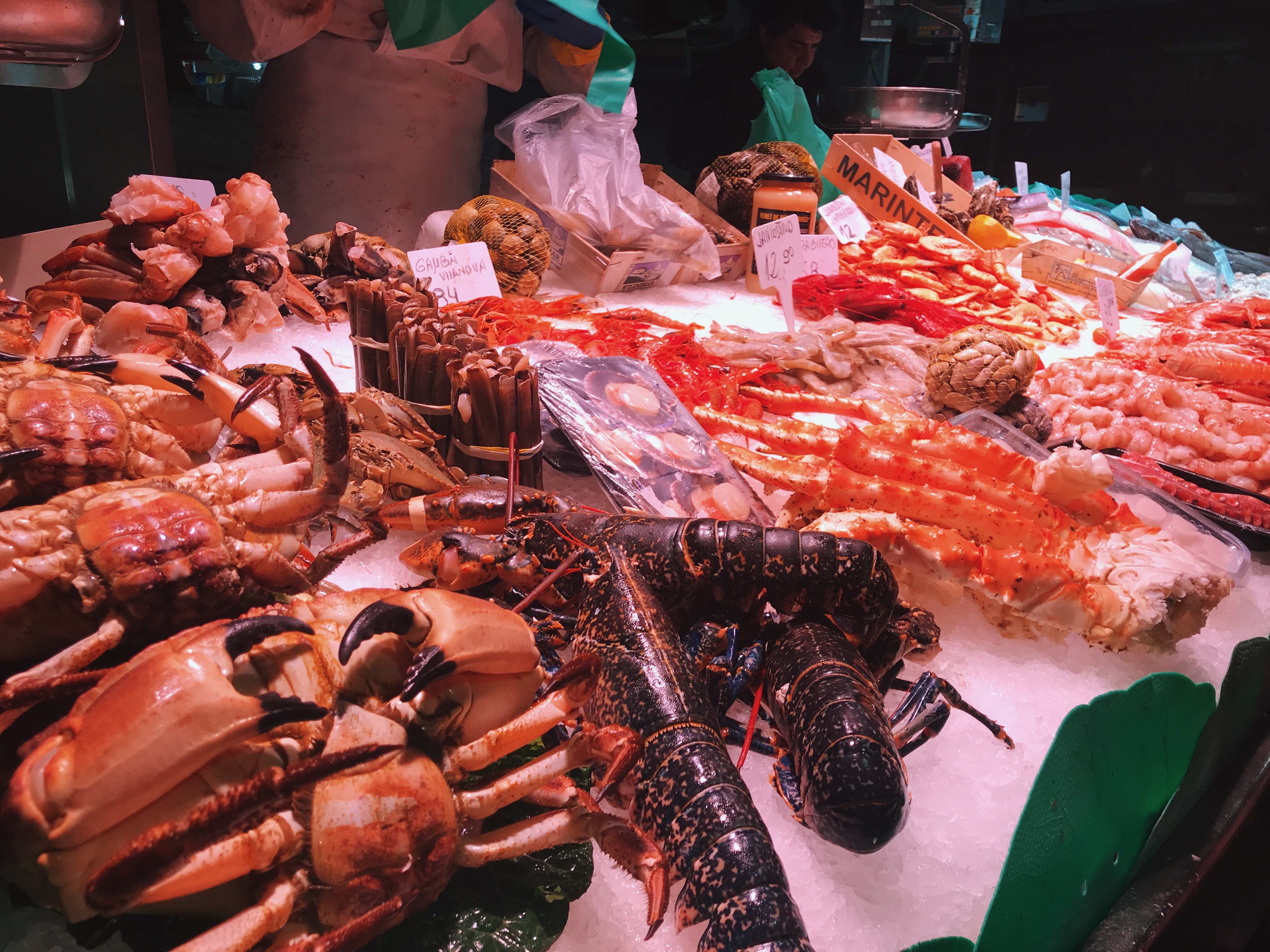
Before the class began, we went, with our instructor, to la Boqueria to pick up our live seafood for the Paella. The class was split in half, some to prepare the seafood and the others to cook the dish. I was placed in the first group and was given the opportunity to prepare the seafood. I was instructed on how to gut a squid and pull the legs and heads off the prawns. I also helped tap each of the mussels to make sure they were still living before we cooked them. This experience made me squirm a little because I had never dealt with live seafood before, but I really appreciated seeing the process of paella from start to finish.

I was able to watch my friends add in all the ingredients and cook and serve the paella. It was the best paella I had in Spain, and it was so rewarding because I helped create it. The Paella cooking experience gave me a good look into many Spanish homes and how this dish plays a big role in their culture.

Let’s throw a calçotada!

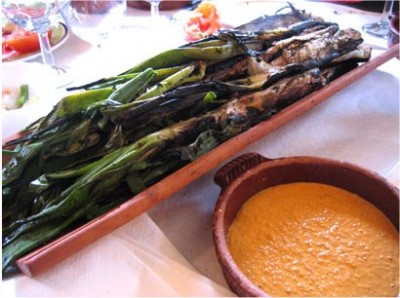
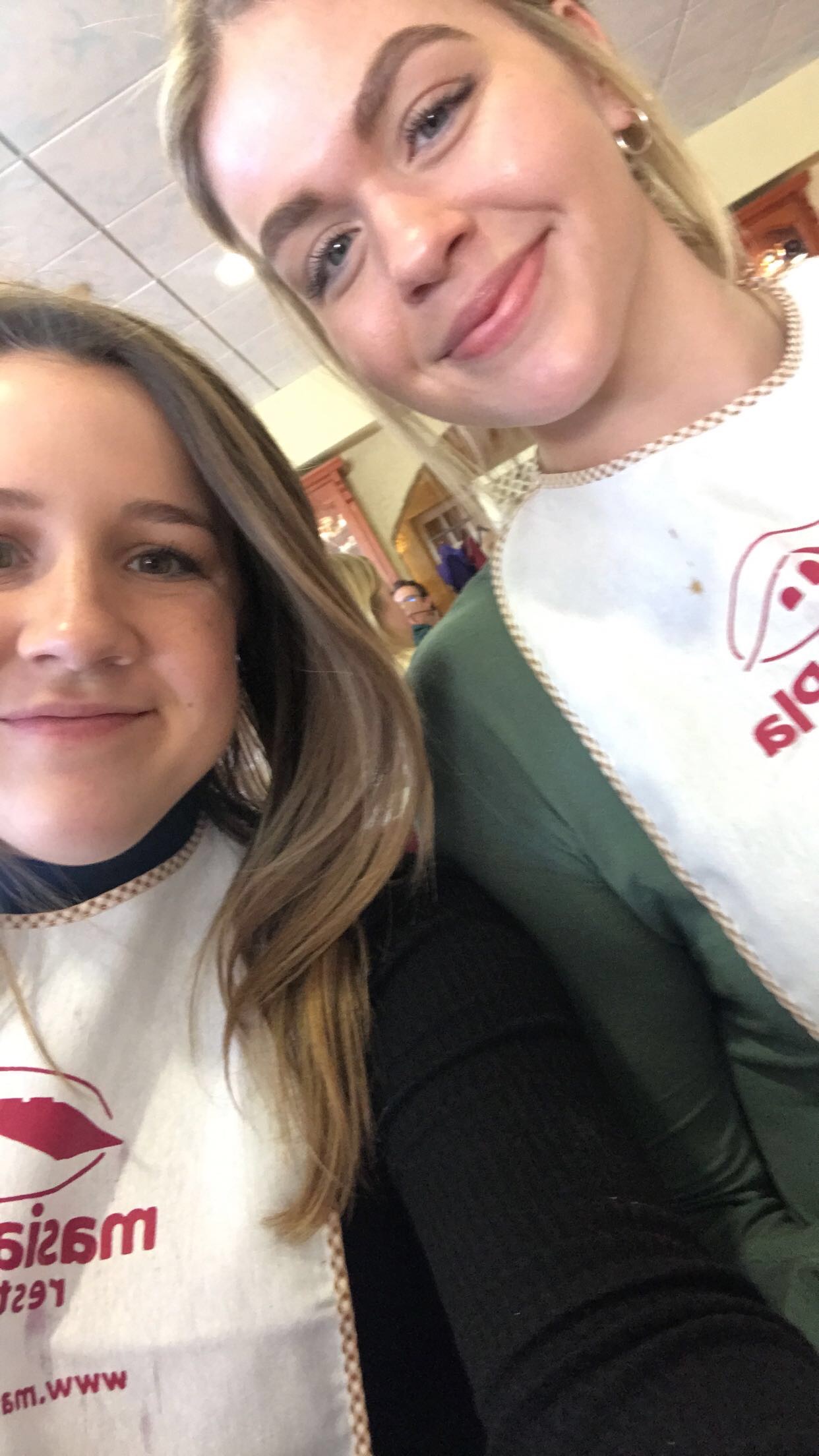
My first experience with Catalan cuisine was when IES visited a traditional Catalan restaurant to try charred calçots in Tarragona. Calçots are a variety of green onion from the Catalonian region, and they are usually dipped in romesco sauce, made from hazelnuts or almonds, roasted red peppers, tomatoes, and a bit of vinegar. When we arrived at the restaurant, we were given bibs to wear while we ate the calçots, but that didn’t prepare me for how messy they would be. To eat a calçot, you have to hold the top of the onion between your finger and thumb, and with your other hand peel off the outer layer, pulling down. You then dip the stripped calçot in the romesco sauce. After dipping, you hold the calçot high over your mouth, lower it into your mouth, and take a big bite. After eating a ton of calçots, I was stuffed and washed them all down with local red wine. I really enjoyed the experience, and had fun getting my hands covered in charcoal and bib covered in romesco.

After having my own calçot experience, it was fun hearing my professors talk about their weekend plans of attending or throwing calçotadas. Calçotadas are a Catalan ritual that signal spring is around the corner where friends, neighbors and family get together to eat lots of charred calçots. One of my professors compared her calçotada to an American barbecue, and it was interesting to see the cultural differences between the two. Another one of my professors said he was hosting over 30 people for a calçotada at his home. I loved my experience eating calçots in Tarragona, and hopefully one day I will be invited to a calçotada!

Homemade Pa Amb Tomàquet

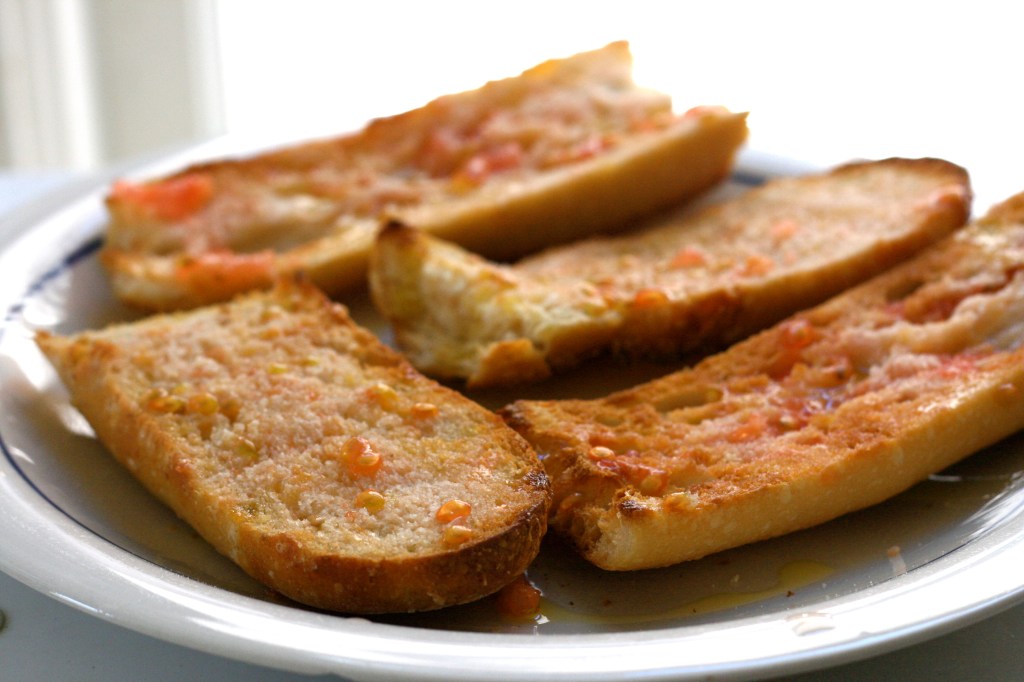
My international finance professor spent half a class period speaking about how important pa amb tomàquet is in his daily routine, and how common it is in Catalan culture. He eats this Catalan tomato bread for breakfast every morning, and recommended we try making it at home.
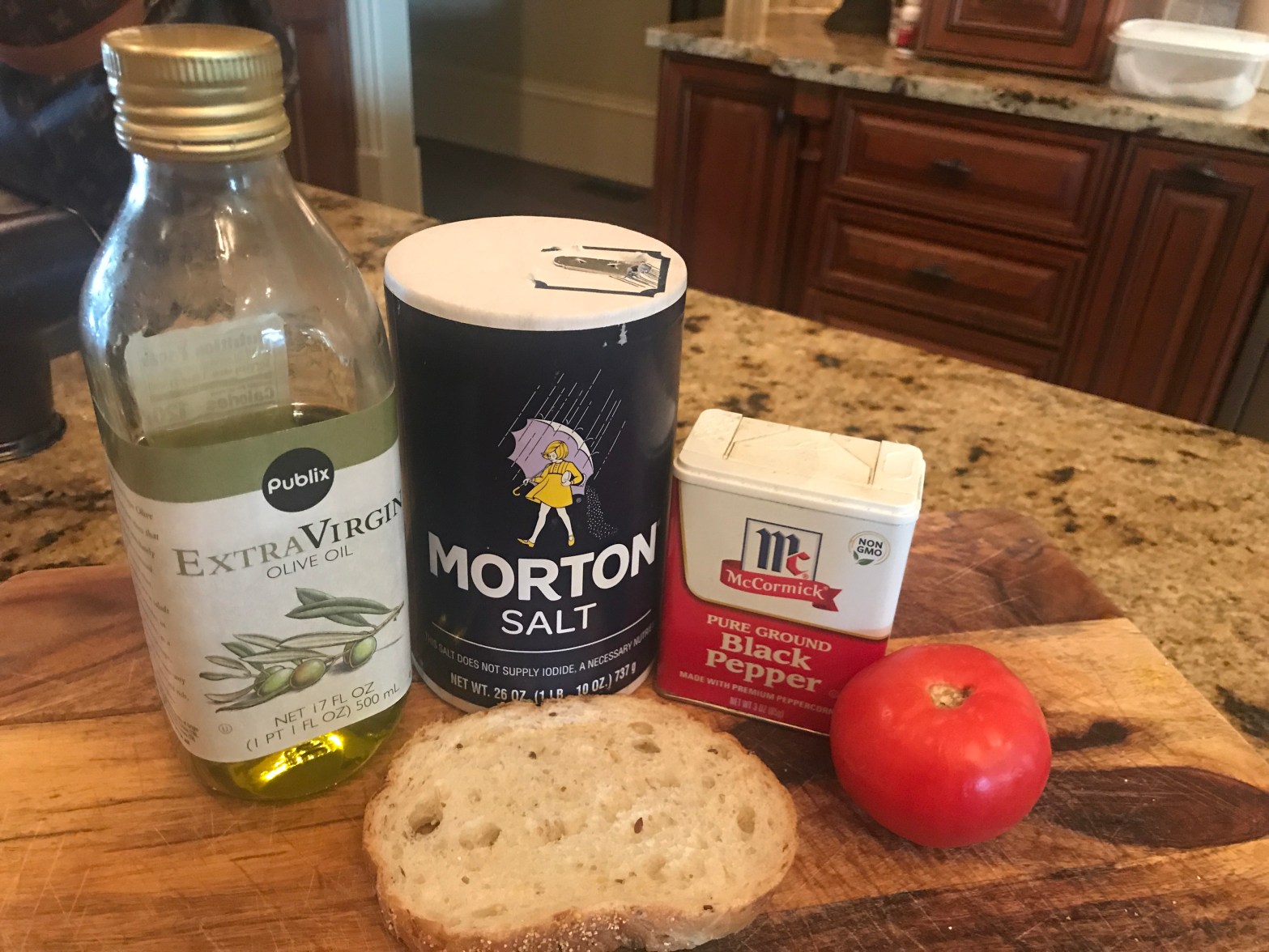
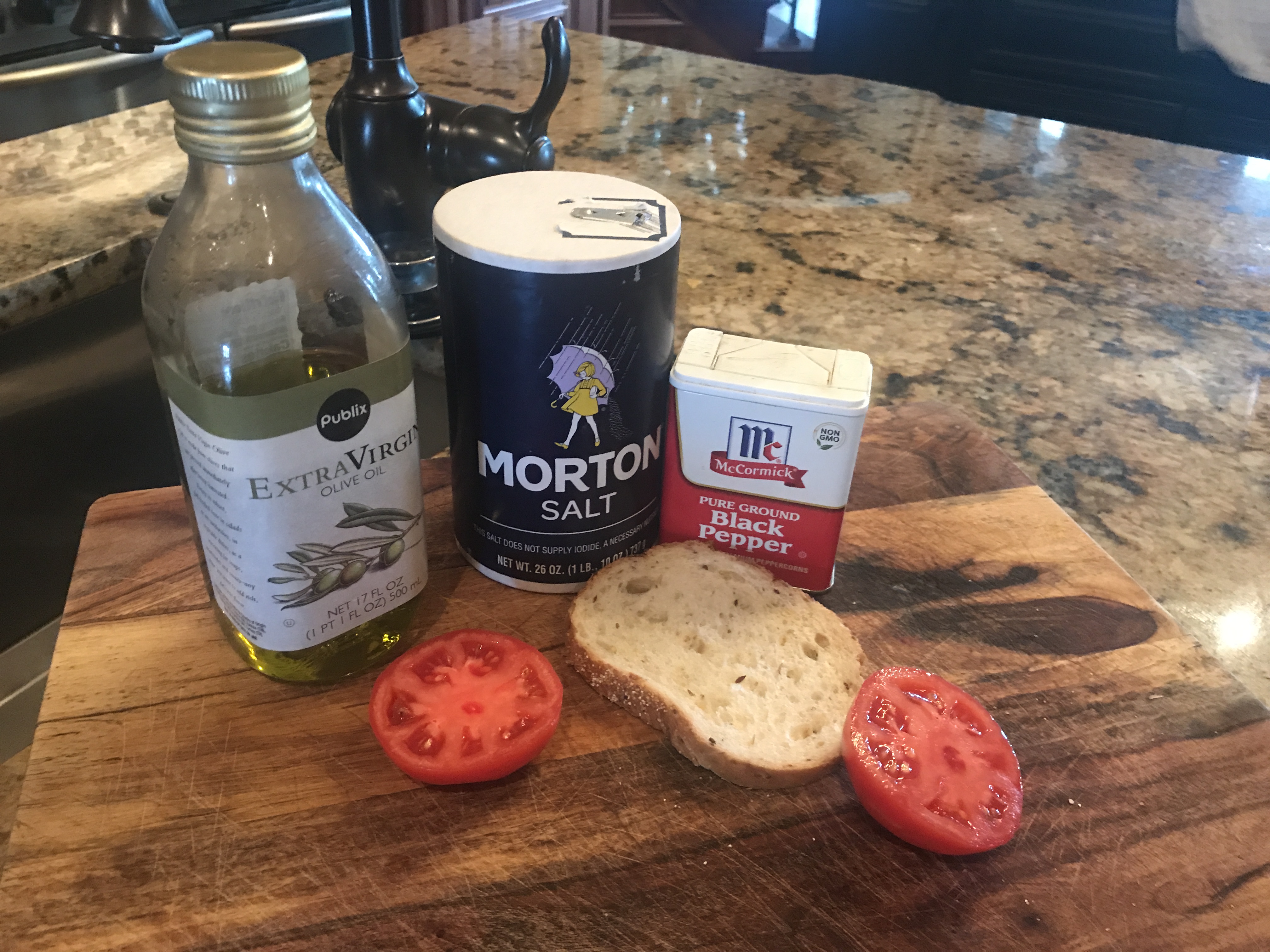
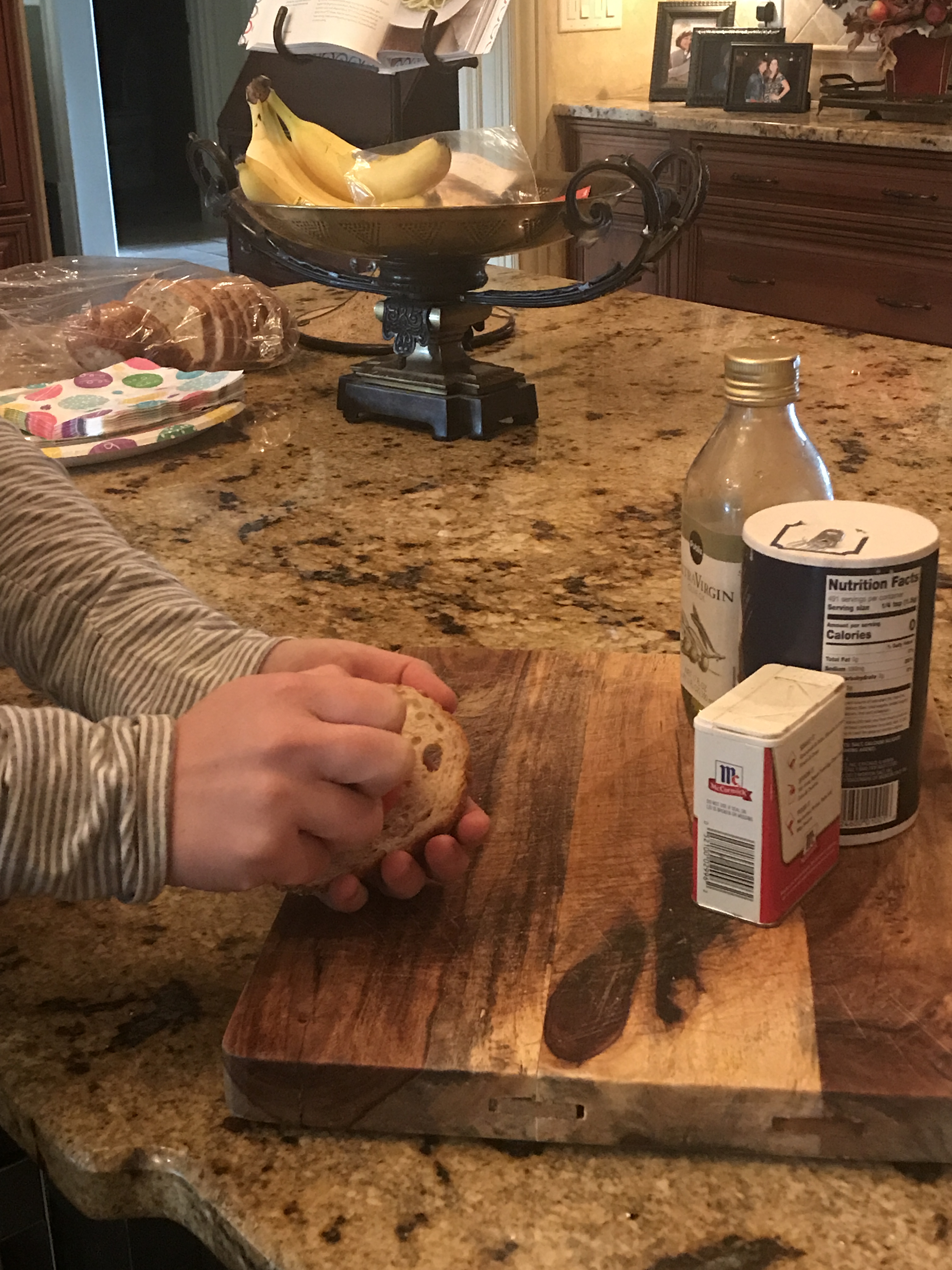
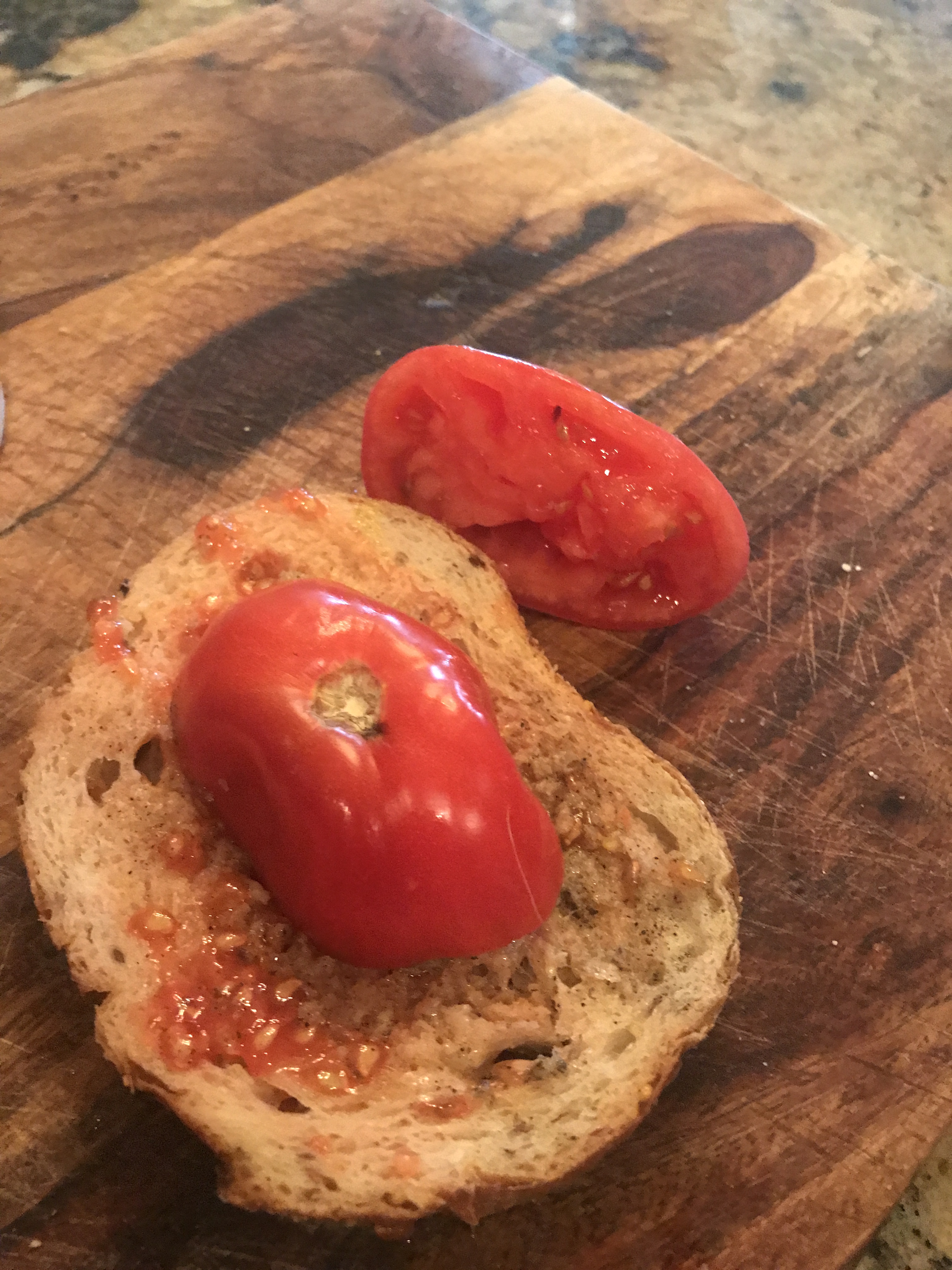
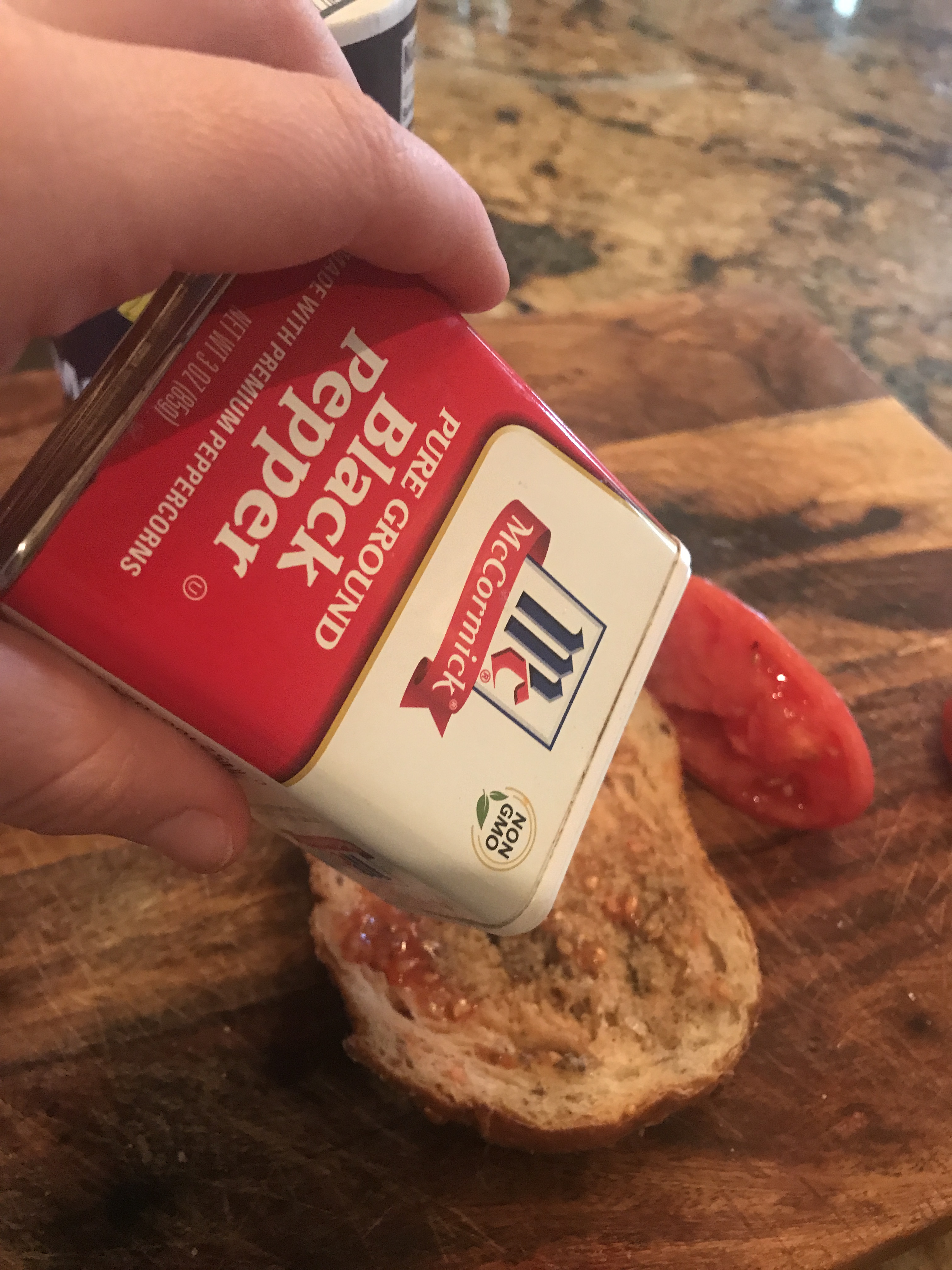
His instructions were to first toast a piece of bread until it is crispy and golden. After that you cut a tomato in half, grabbing one half firmly on both sides. Then you rub and grate the tomato all over the toasted bread, making sure to squeeze out lots of the rind. Next, drizzle olive oil on top of the bread, and to finish it off, sprinkle some sea salt and pepper on top. My professor encouraged us to try making this staple of Catalan cuisine because of its simplicity. Because of my shortened time in Barcelona, I didn’t get the chance to try his recipe at my apartment there, but I decided to try it once I got back to the U.S. It was delicious, probably better with spanish bread and olive oil, but was a great reminder of Barcelona.

Although my professor makes his pa amb tomàquet at home and eats it for breakfast, the traditional tomato bread is also served in restaurants at all times of the day. It is a very common tapa served at restaurants, and I saw it frequently on menus when I was in Barcelona. I plan on making pa amb tomàquet for my friends at home, so they can have a taste of Catalan cuisine too.

The Dancing Lights

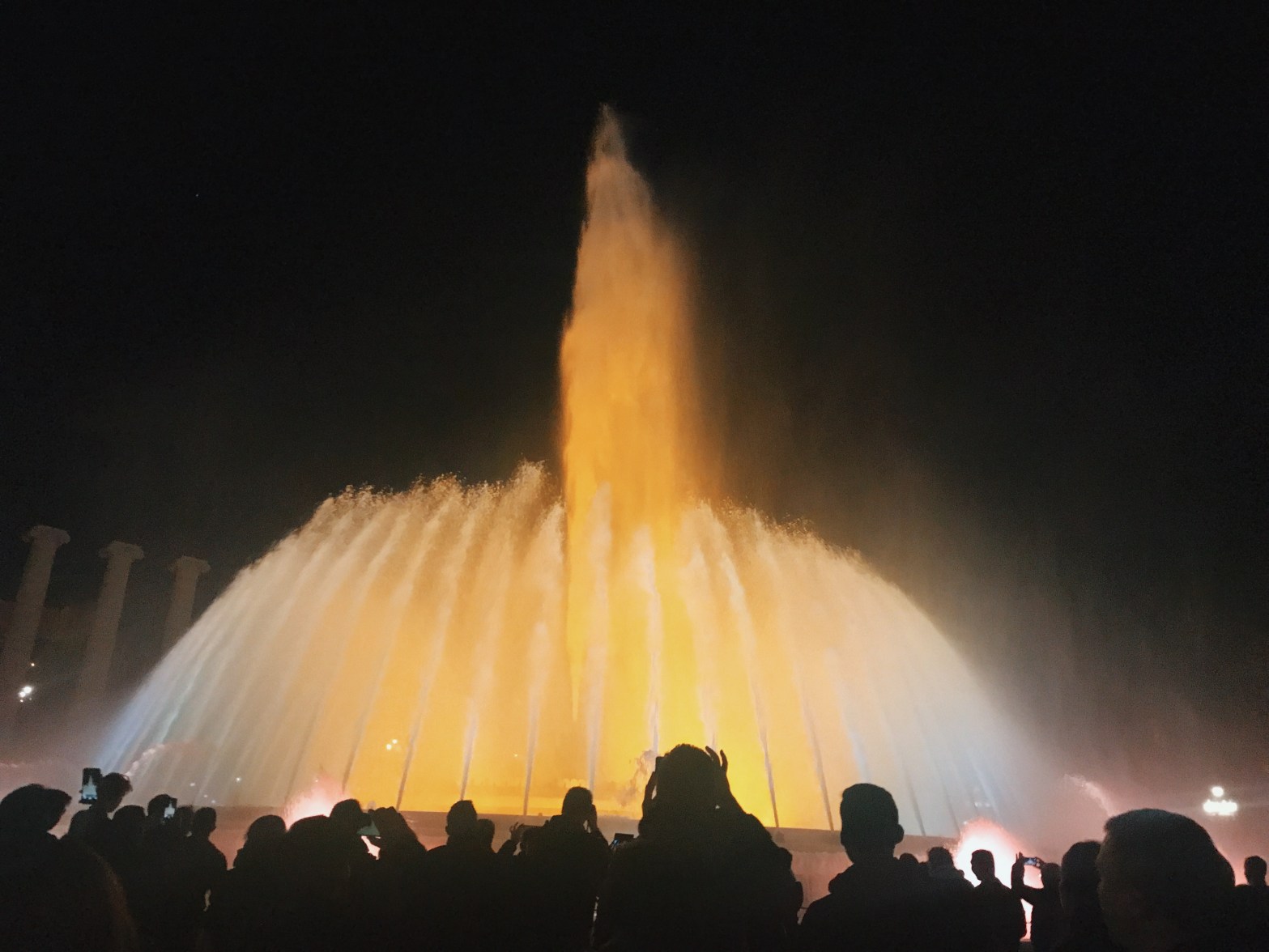
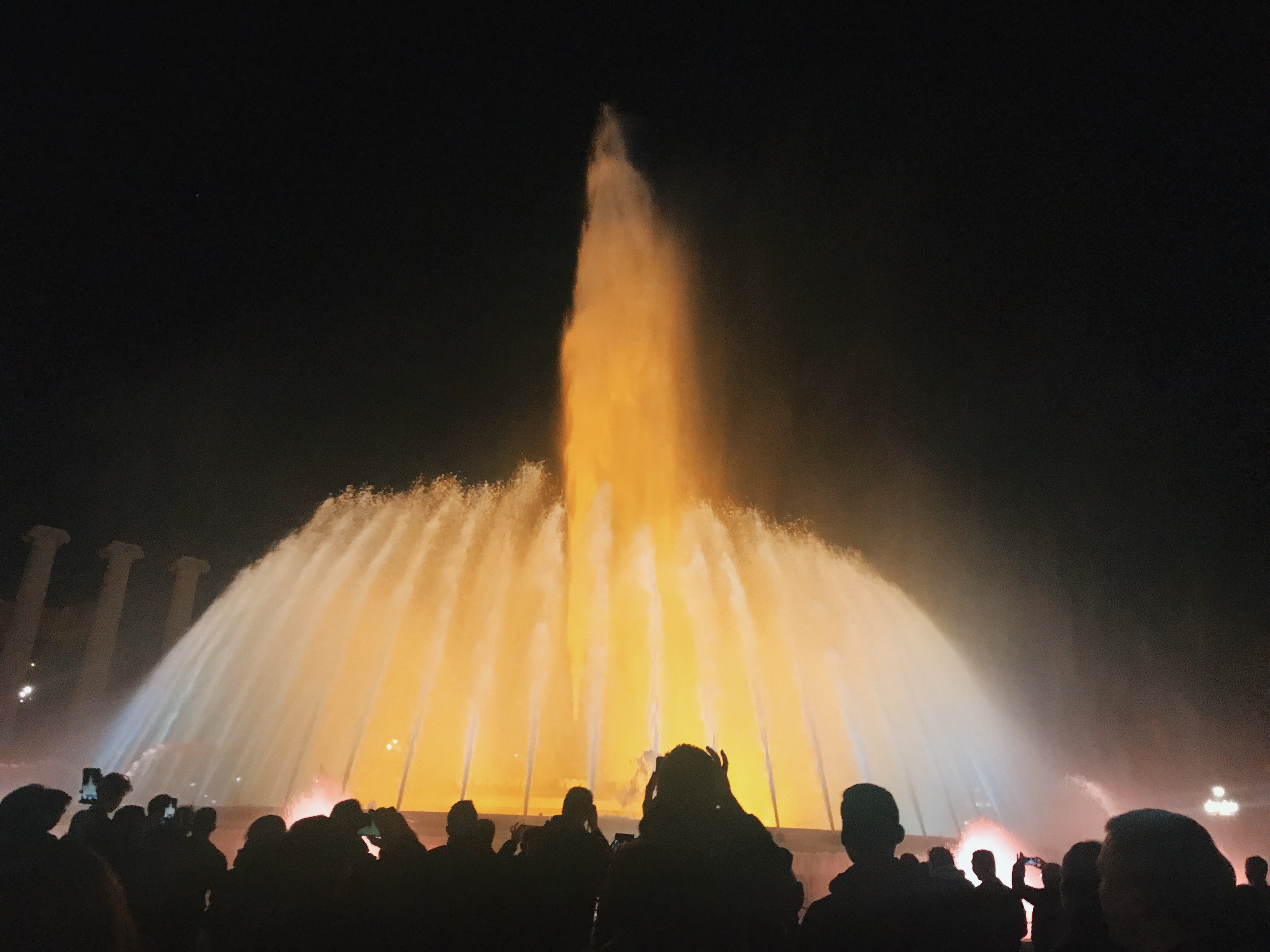
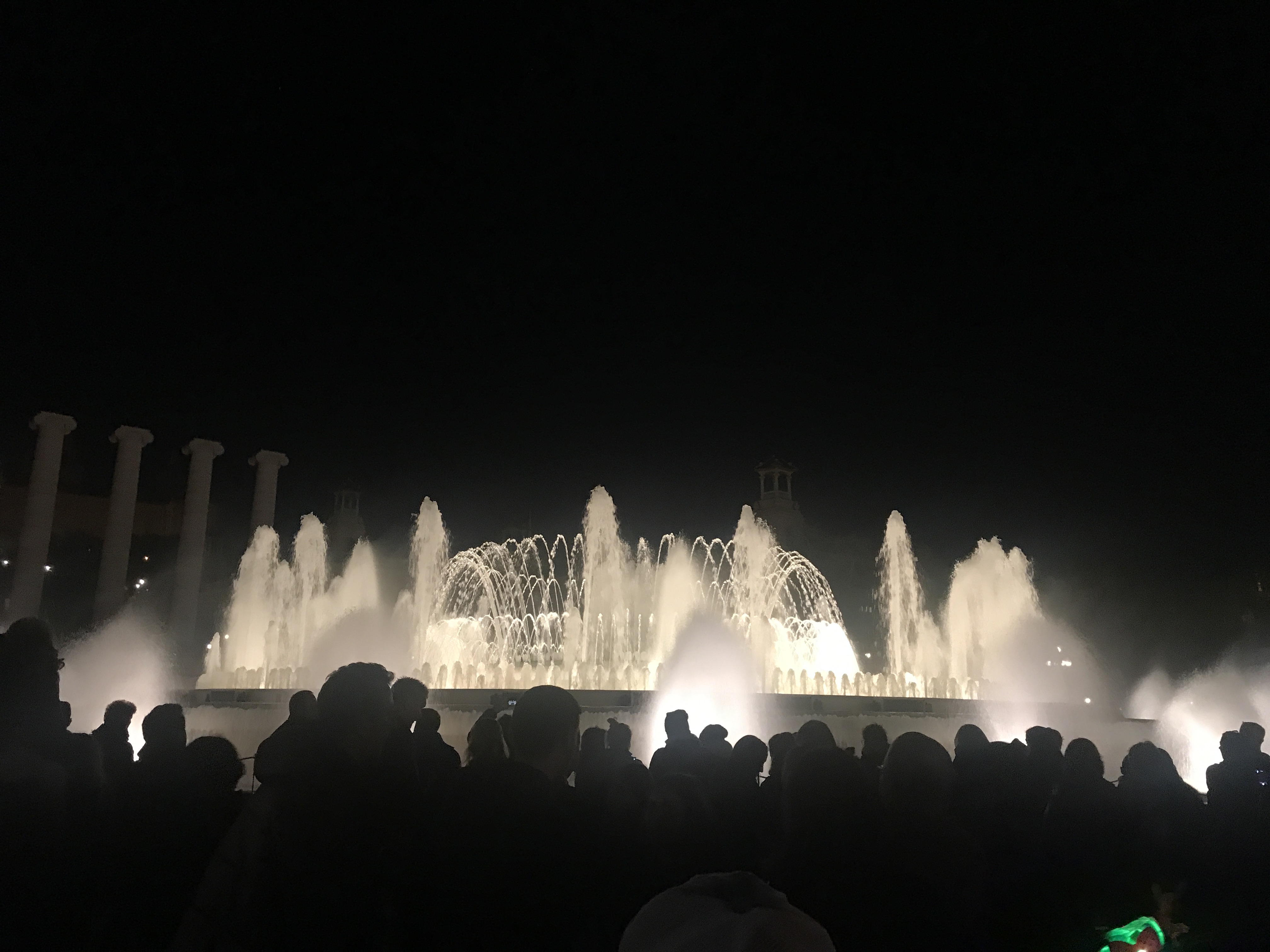
Thousands of people surrounded the Magic Fountain at Mountjuïc, awaiting the 7-million possible water and light combinations the fountain can produce. In our free time, my friends and I loved finding fun events around Barcelona to try out. We had been waiting for the Magic fountain show for a long time and were lucky enough to see it the weekend before we left Barcelona.

The show began slowly, the lights accompanied by powerful symphony music. As the show progressed, the water changed more rapidly, more colors were added and the music switched to upbeat American pop music. The show lasted for 30 minutes and it kept me and my friends dancing and intrigued the entire time. It was truly amazing how the lights captured the dark, night sky, and that so many people came to watch the art-form of light. After leaving the show, I was intrigued by how the Magic fountain got its start. After some research I found that the fountain at Mountjuïc started in 1929 at the Great Universal Exhibition. It was became part of the discovery of using light as art, and made Barcelona’s Exhibition very special. It was very cool to witness this long standing tradition in Barcelona and spend a night with friends admiring the dancing lights! I would recommend anyone to visit the show because it would be fun for everyone.

Design a site like this with WordPress.com
Get started