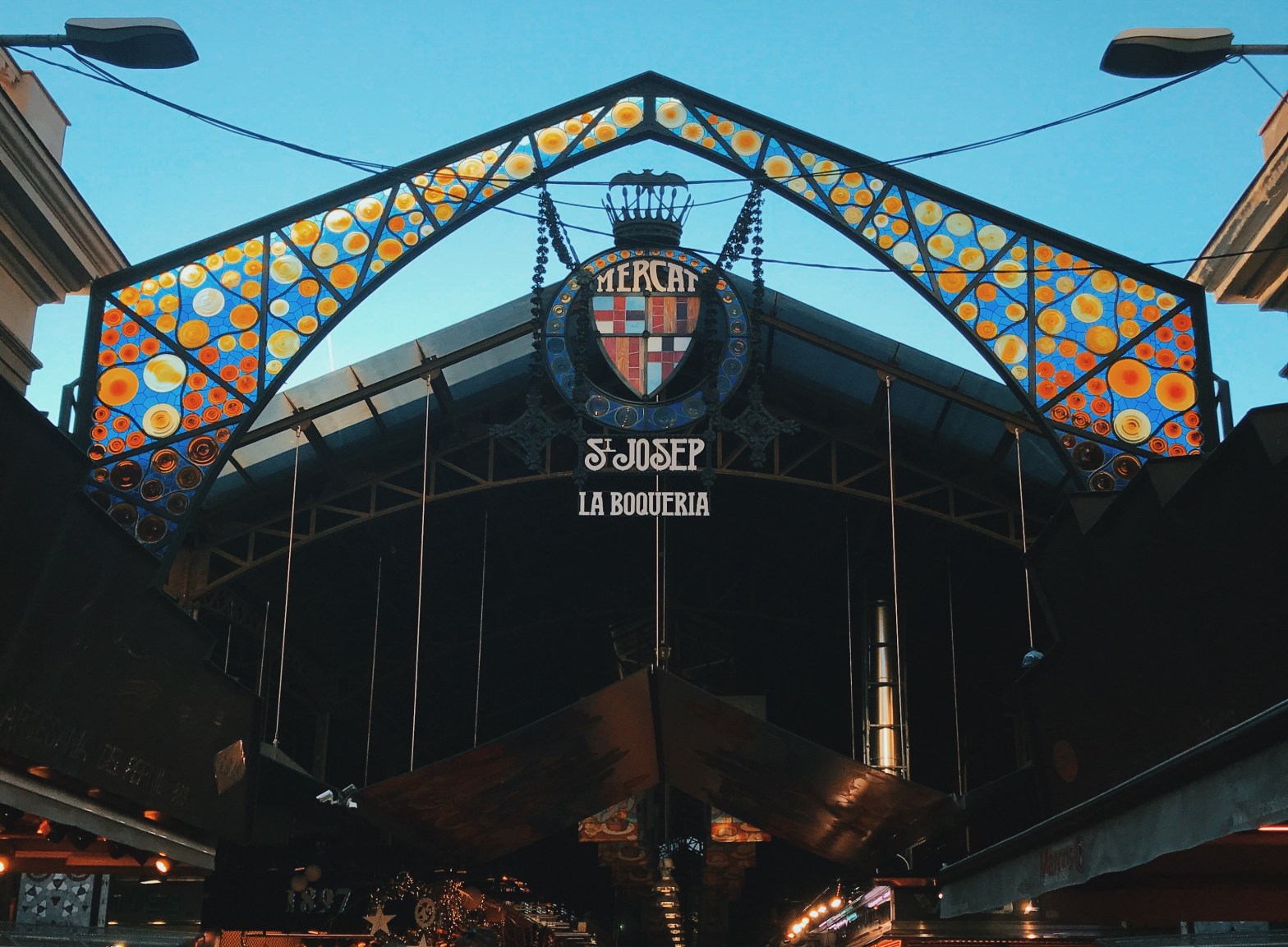
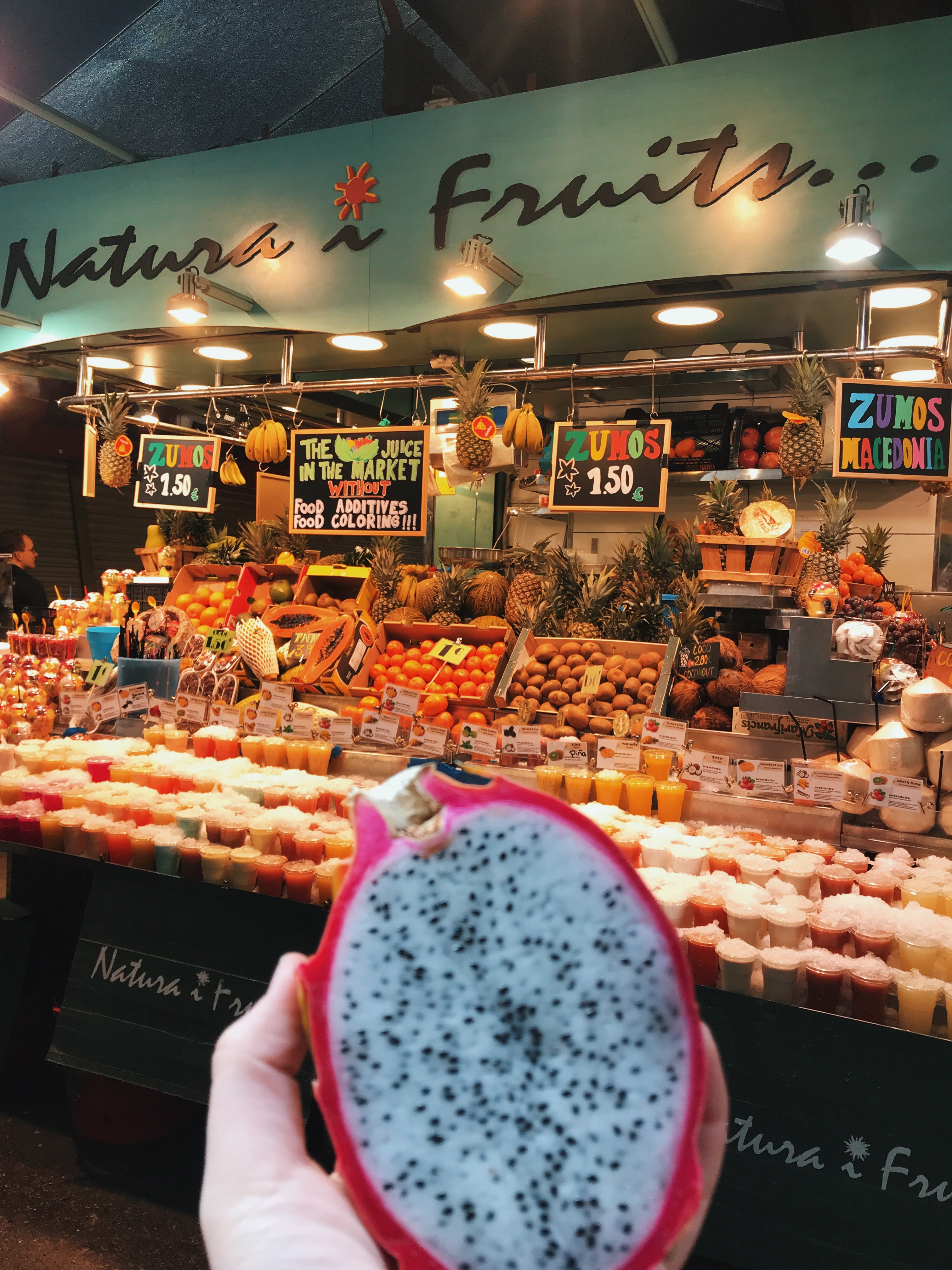
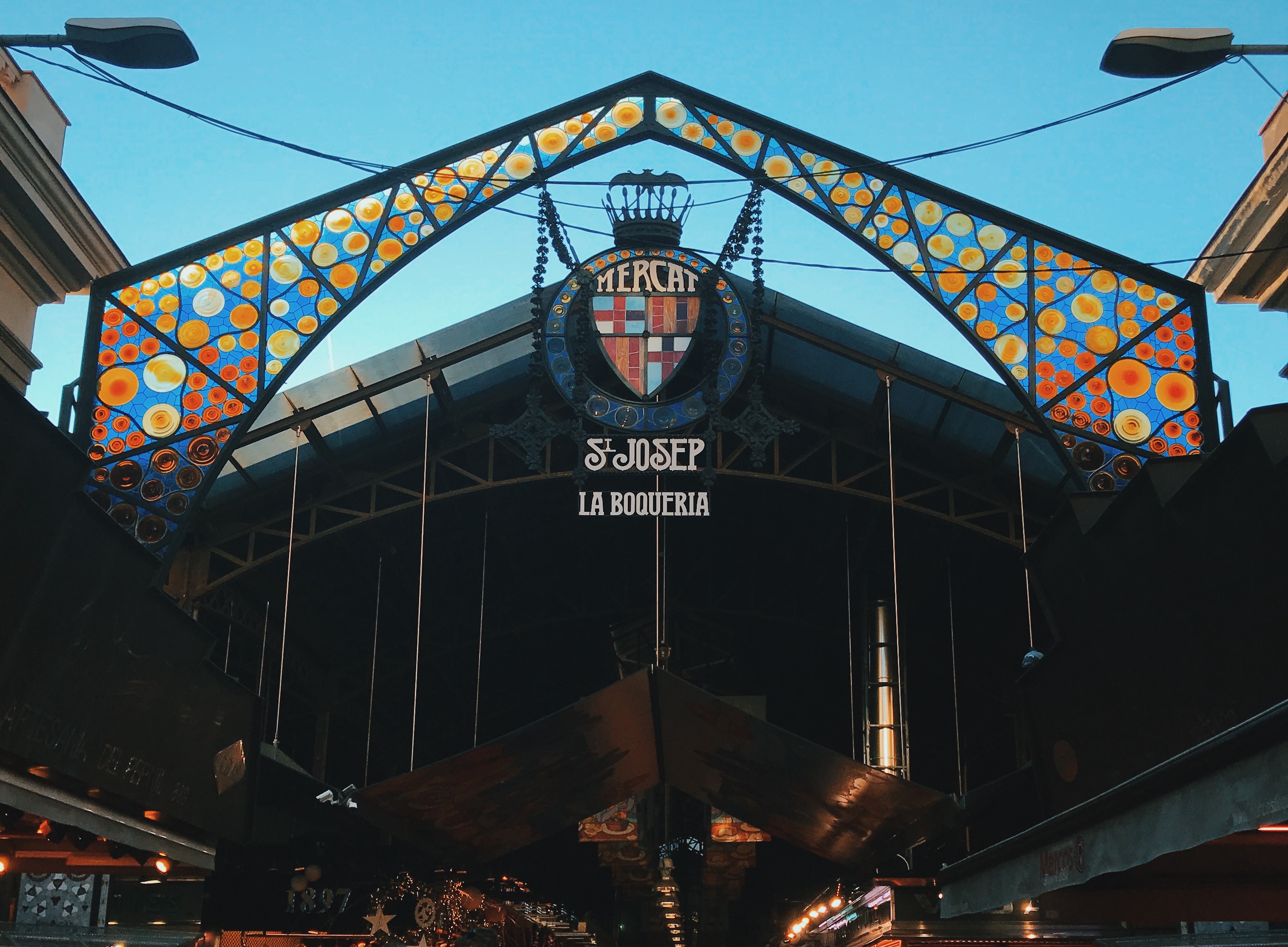
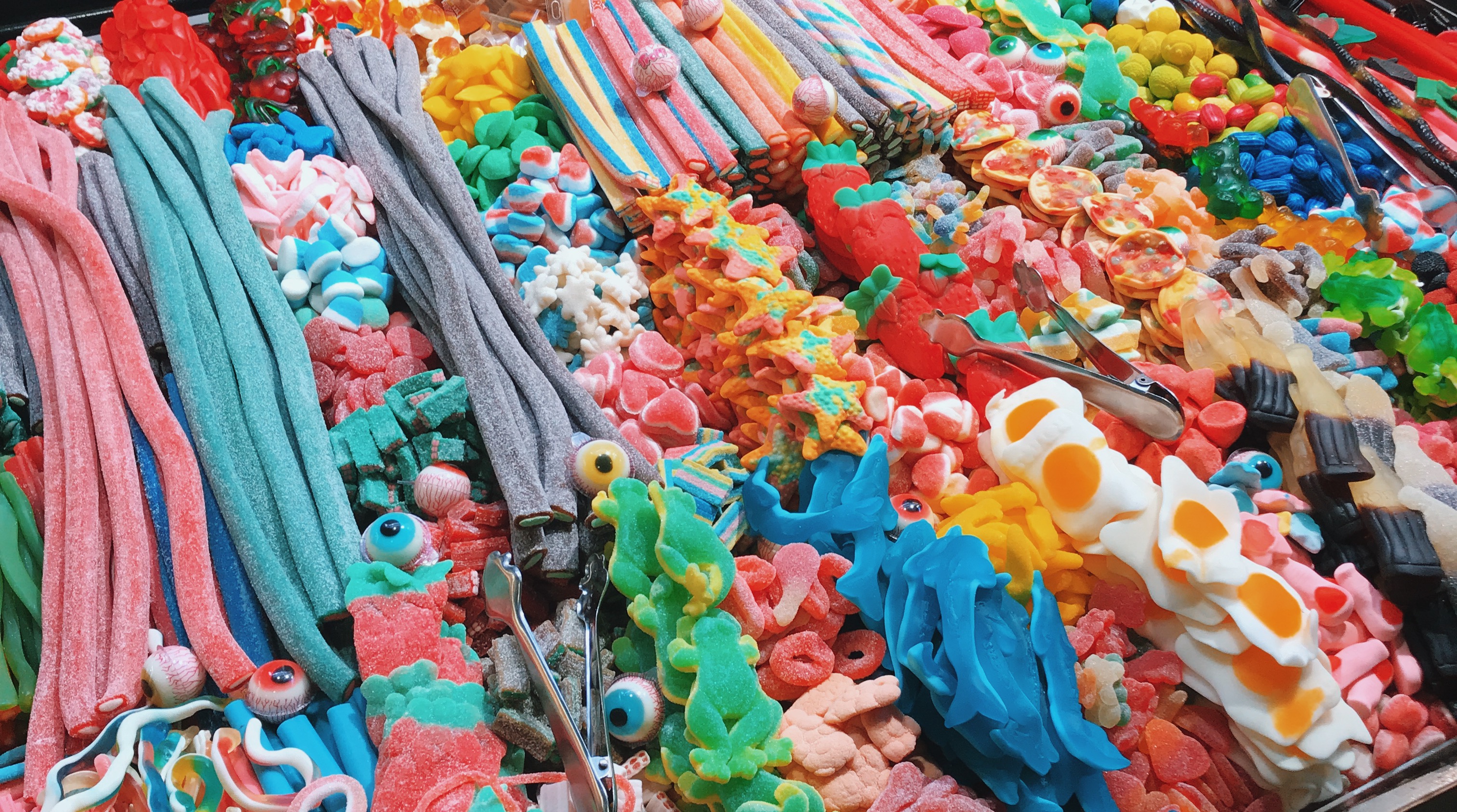
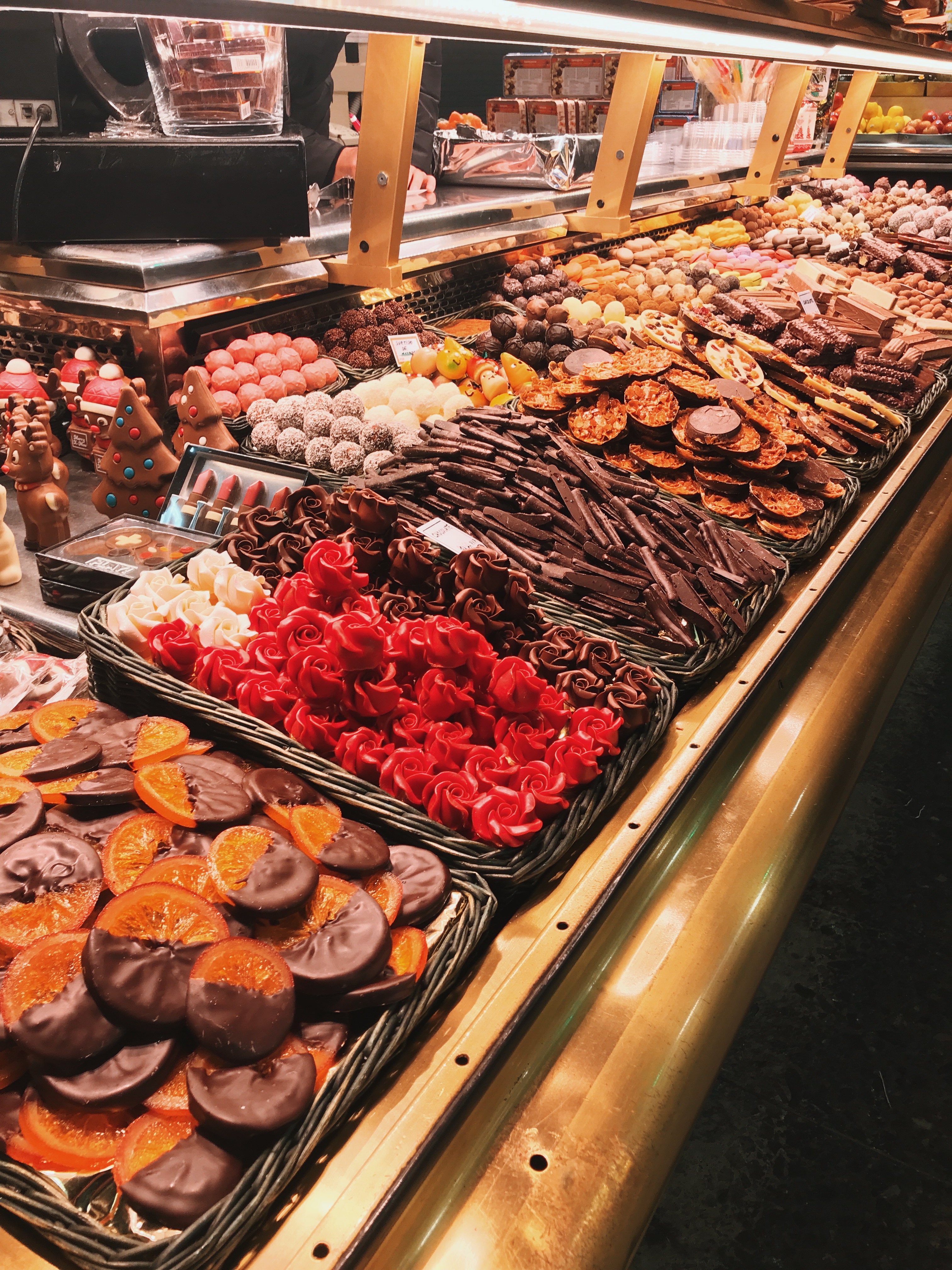
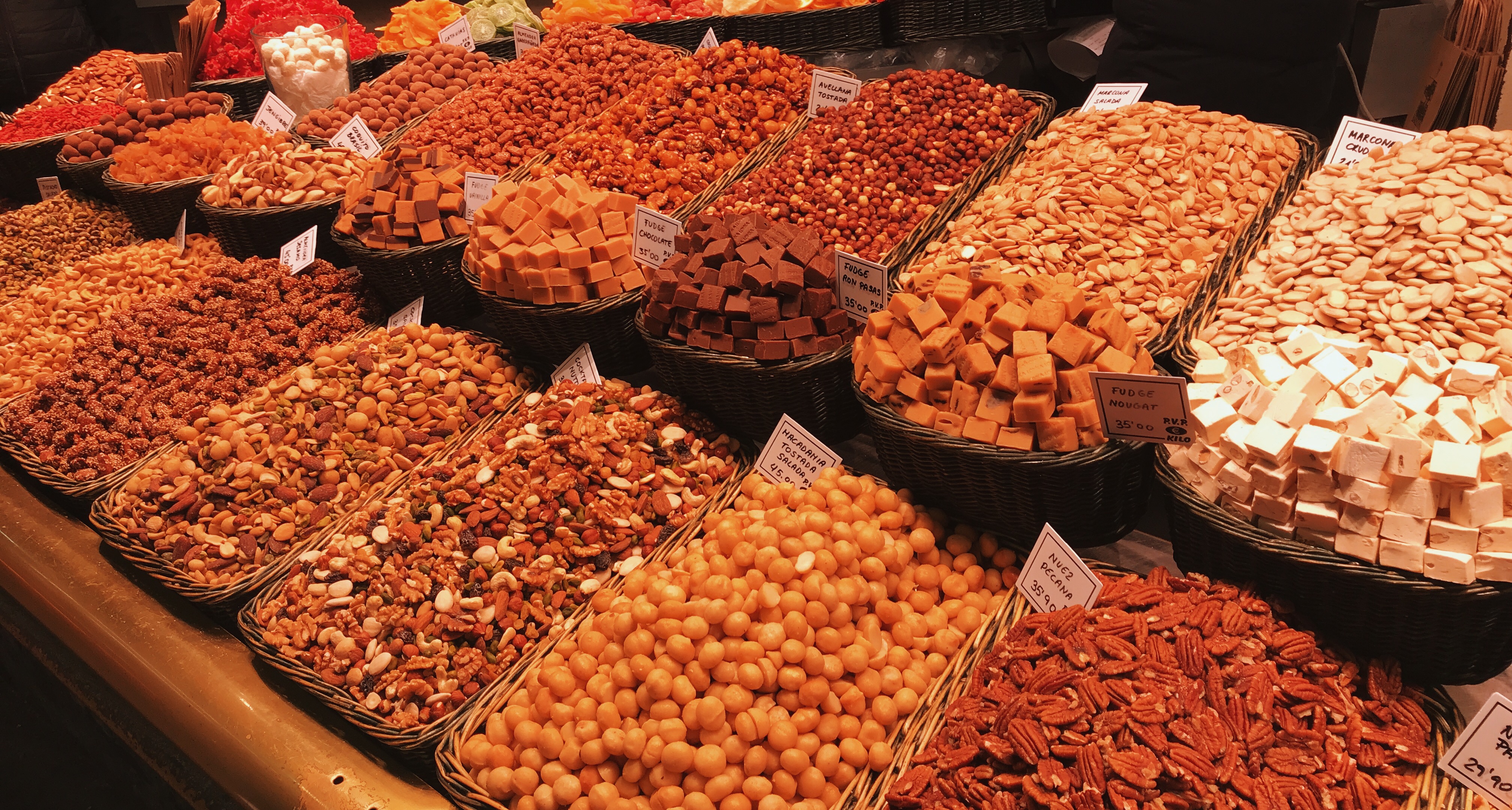
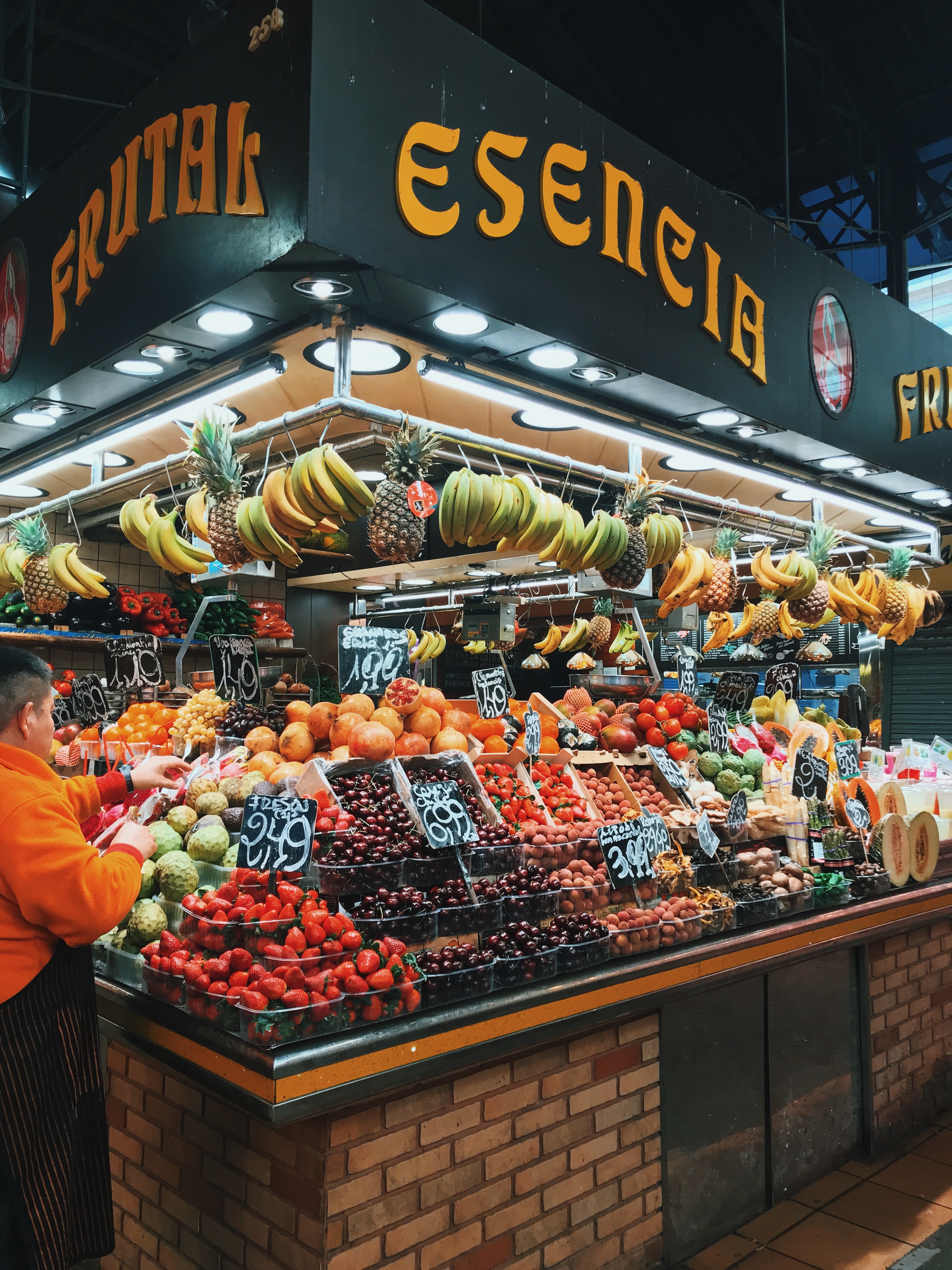
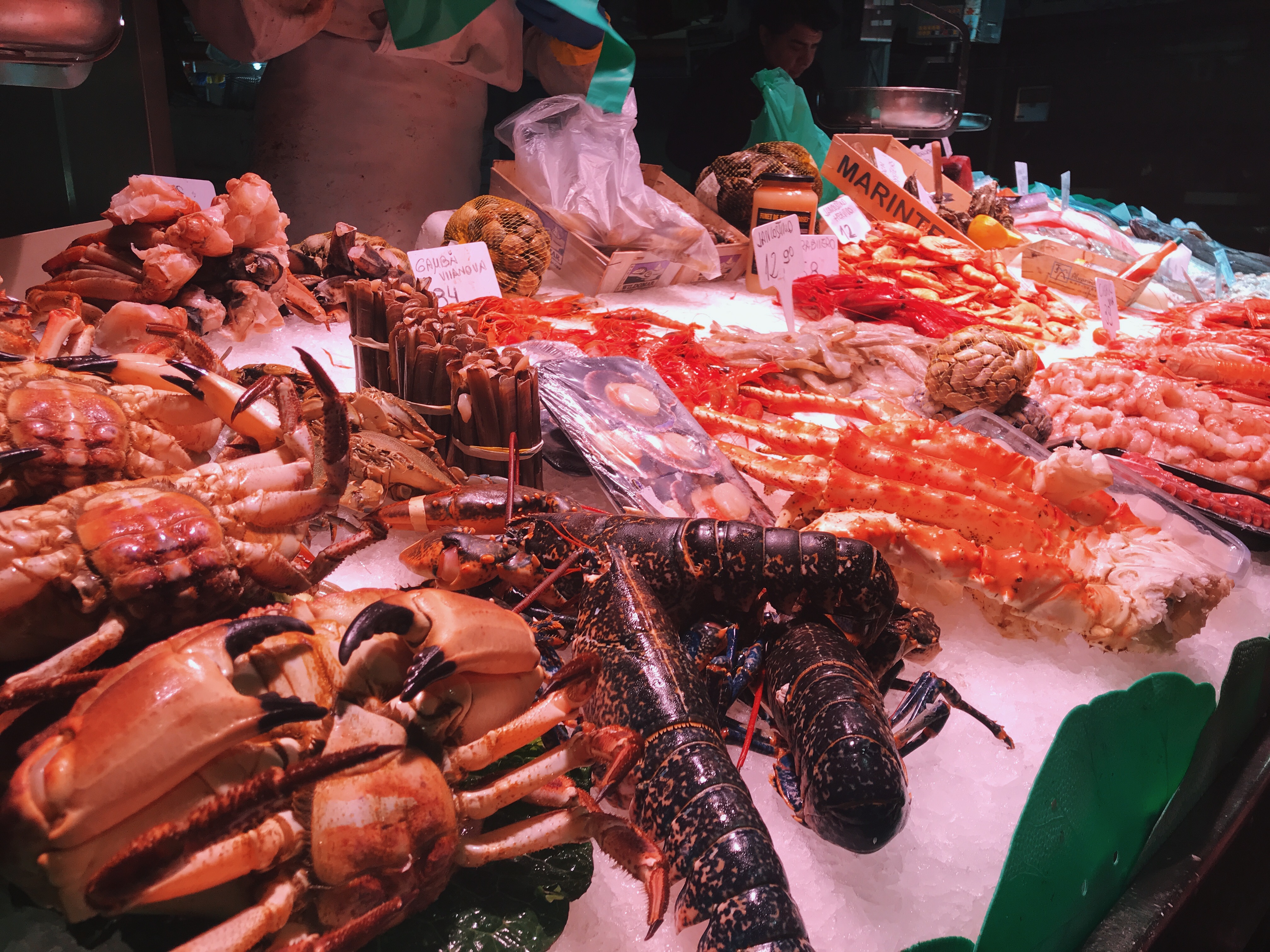
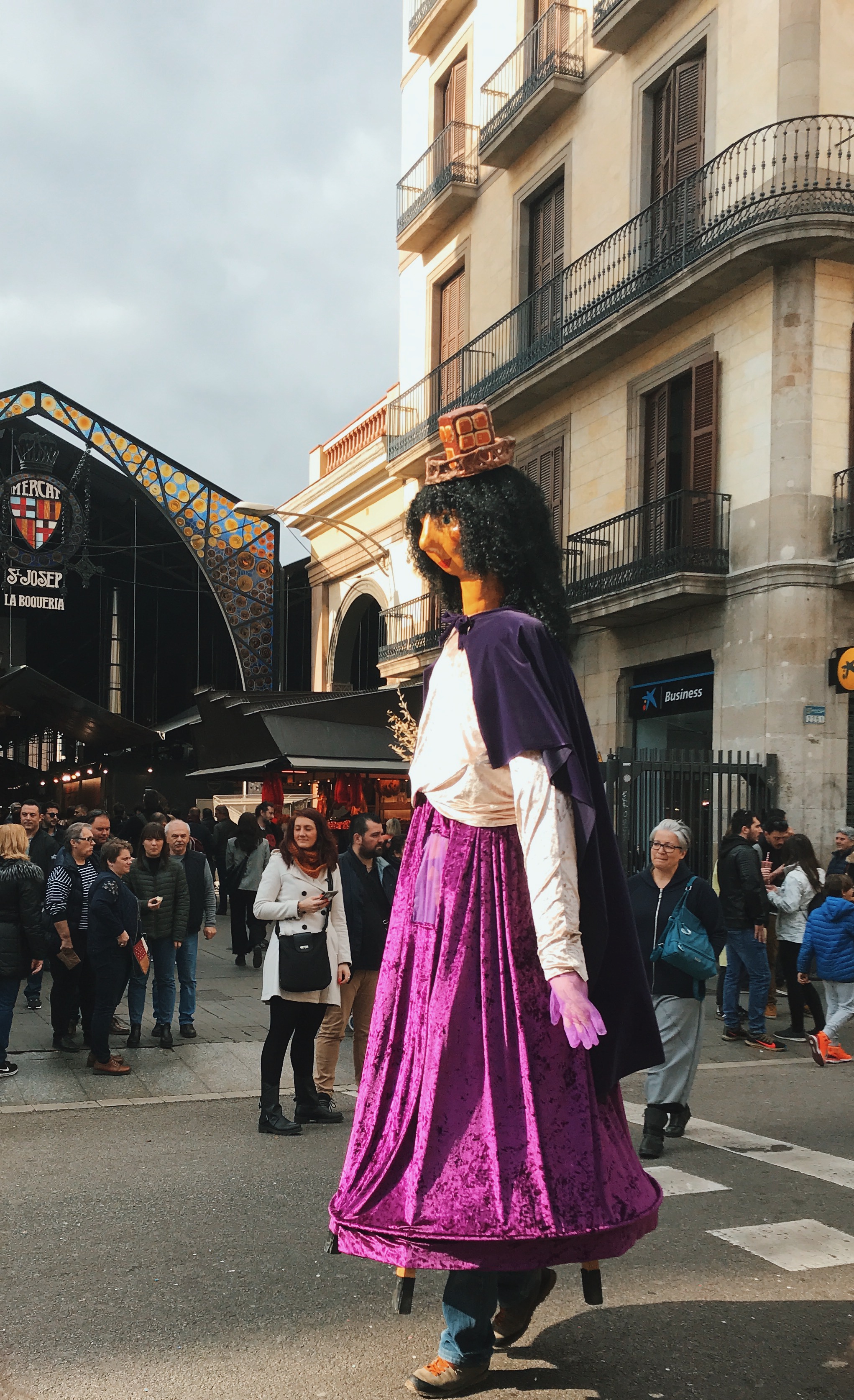
I love fresh candies and fruits so much, so I spent a lot of my leisure time at La Boqueria. Fresh food and cooking plays a large part in Catalan culture, and I loved being able to buy my own food for the week and try cooking new things. One thing, I noticed about Barcelona, was that people shop much more frequently because the food is not processed like in the United States. This was a transition for me, but I loved buying fruit, empanadas and juices from La Boqueria, on my way home from class. Sometimes I would visit the market to just walk around and look at how beautifully the items were displayed and be amongst all of the bustling people.
One day I took a paella making class, and our teacher brought us to La Boqueria to pick out the fresh seafood we would be cooking. During the class, I had to prepare the still- living seafood for the paella dish. This experience from cooking from “market to table” was like nothing I’ve ever experienced. Another day while visiting La Boqueria, I ran into the Festes de Santa Eulàlia parade, and I was able to watch the festivities while I drank my juice from the market. It was a ton of fun to see all the dancers and drummers go by in celebration. I have a lot of fond memories exploring La Boqueria with friends, and it one of the things I miss the most about Barcelona.
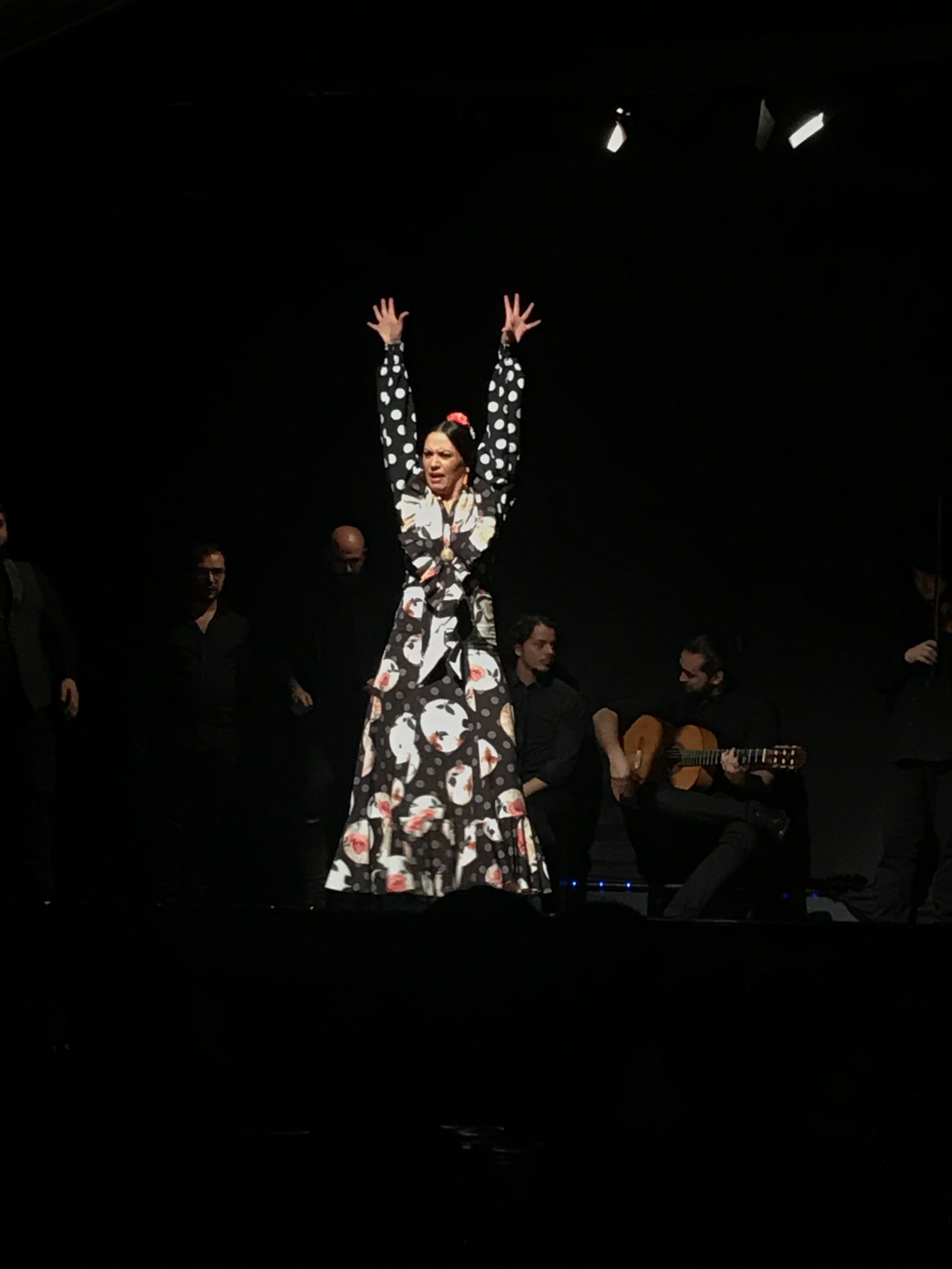
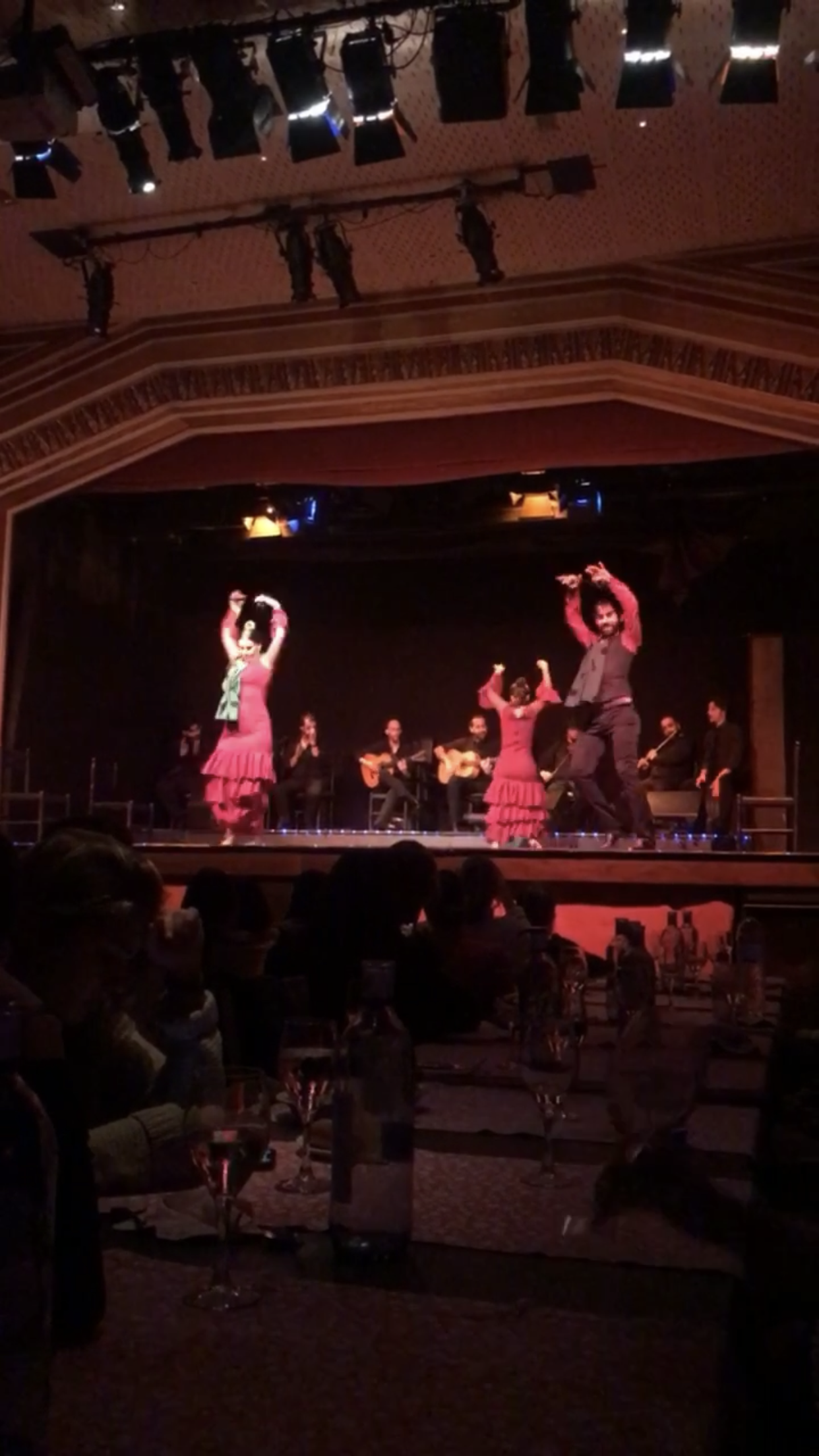
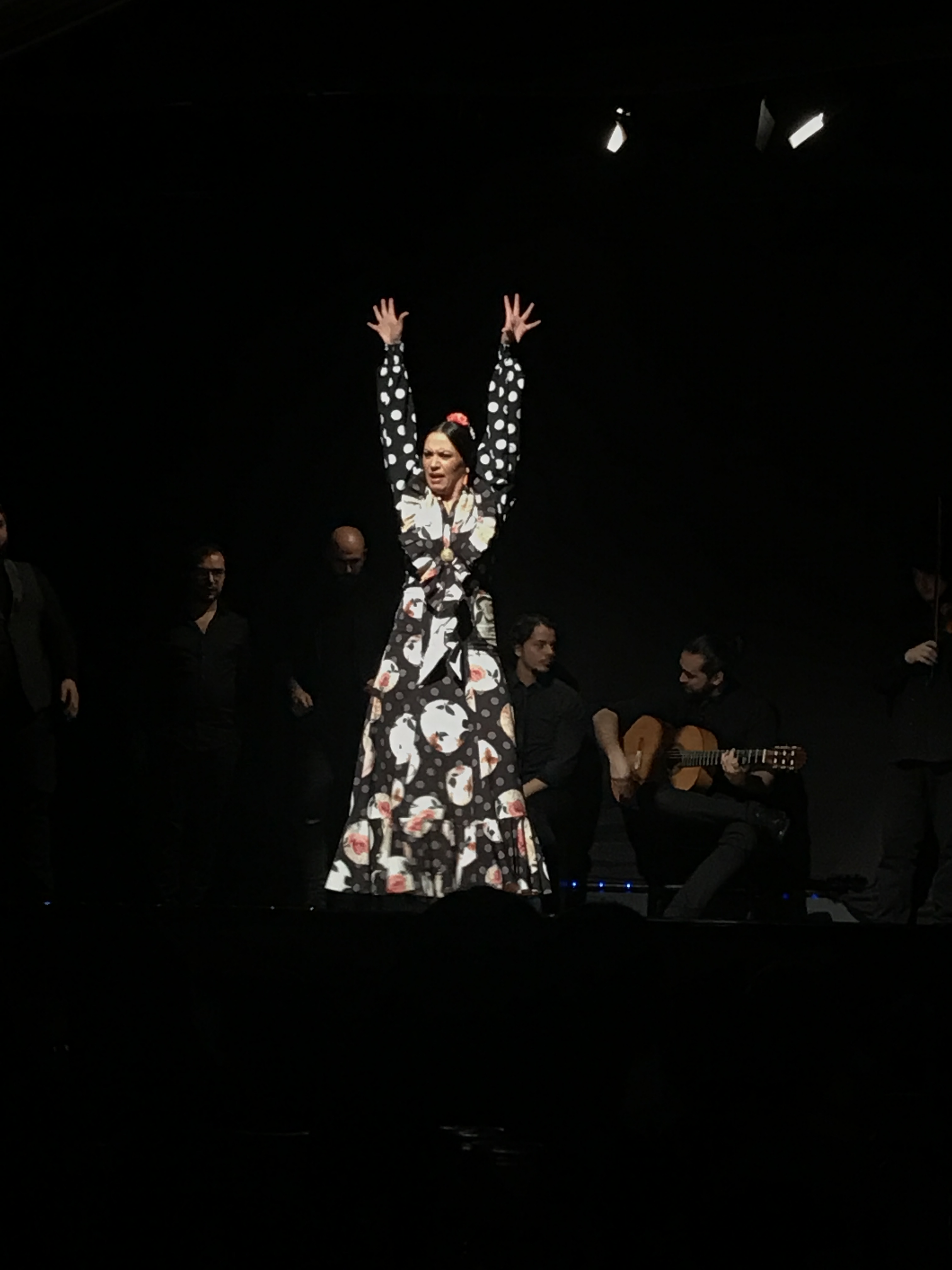
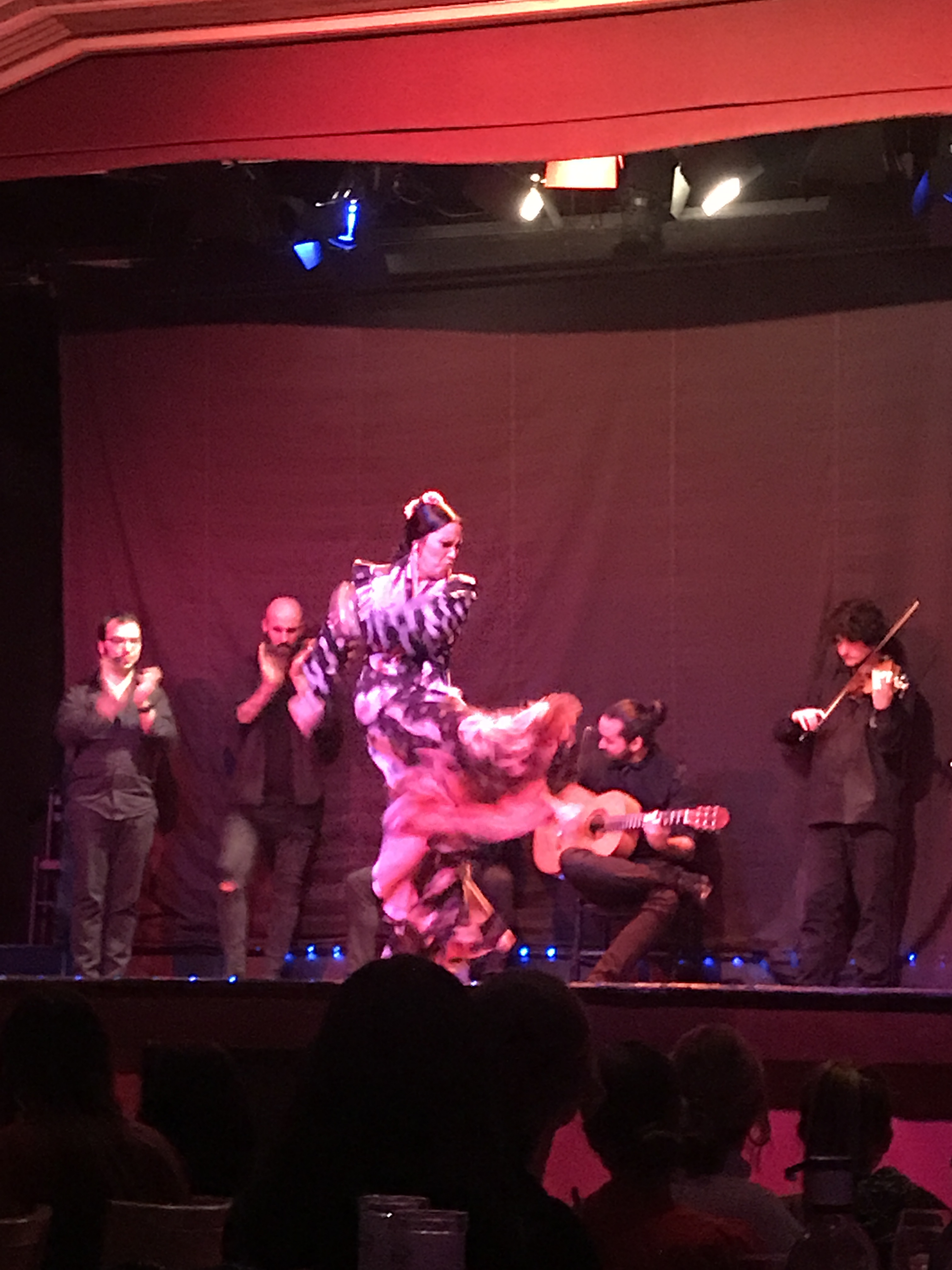
One cultural activity, I was very fortunate to be able to attend, was a free Flamenco dancing show sponsored by IES, on February 11th. I jumped at the opportunity to see a live dance show because it was an activity I knew I had to do while studying in Spain. For 15 years of my life, I performed dance competitively and dance played a major part in my life. I was so excited to see traditional Spanish dance because I knew it would be very different than what I had always performed.
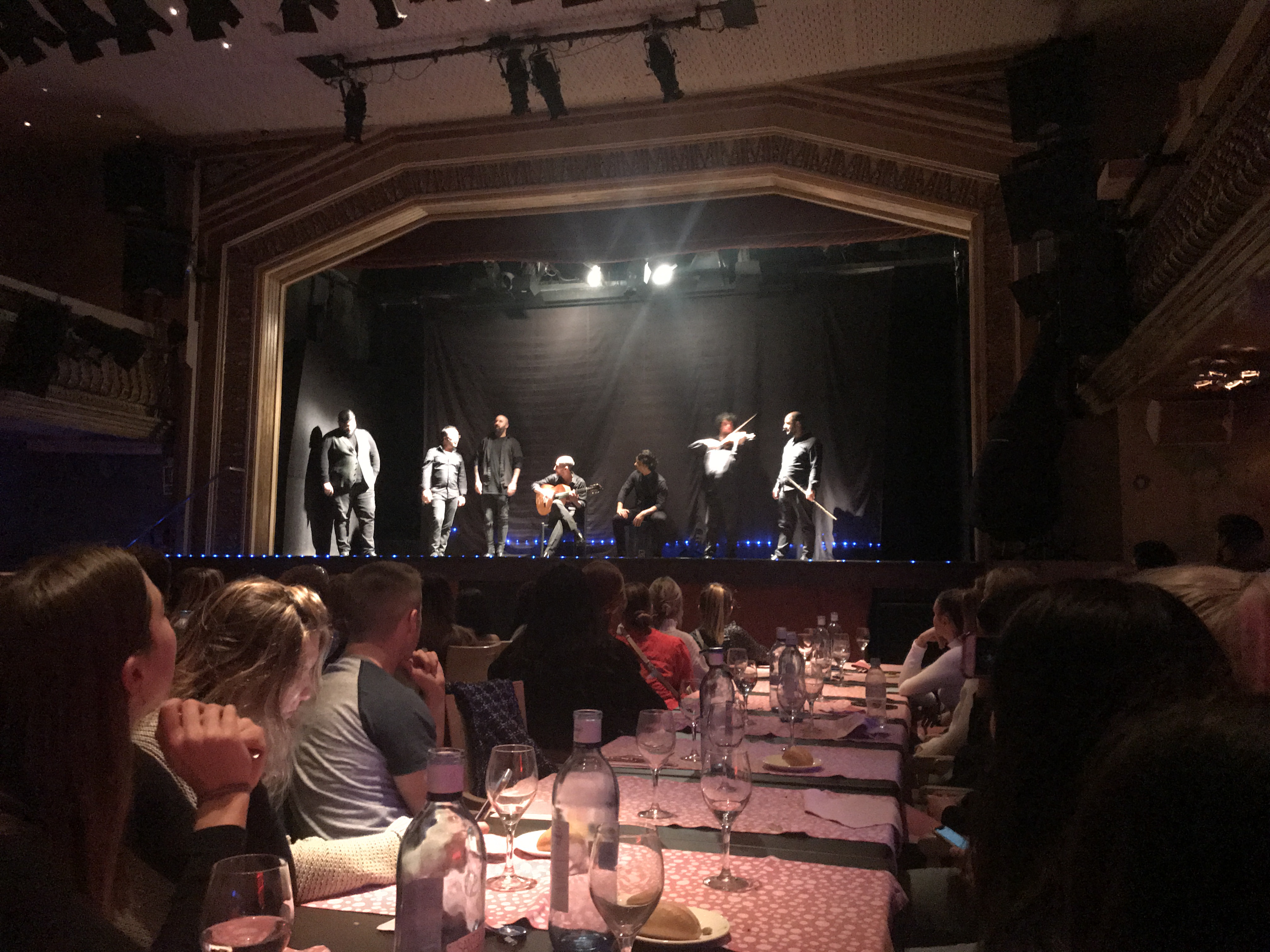
The night started with a three course meal, including paella and sangria, before the dancers gracefully came on the stage. The costumes the dancers wore fit my previous perception of Flamenco, but the actual dancing and storytelling performed was nothing like what I expected. I was surprised by the quick movement of the dancers and the intensity in their movement. At first I was hesitant if I liked the show, but I was quickly enthralled with the dancers’s stomping and even found myself clapping along to the music. I could feel the emotion in the stories the artists told through song, even though there was a language barrier. The difficulty of the Flamenco was shown by the sweat that dripped off the dancers as they stomped and spun.
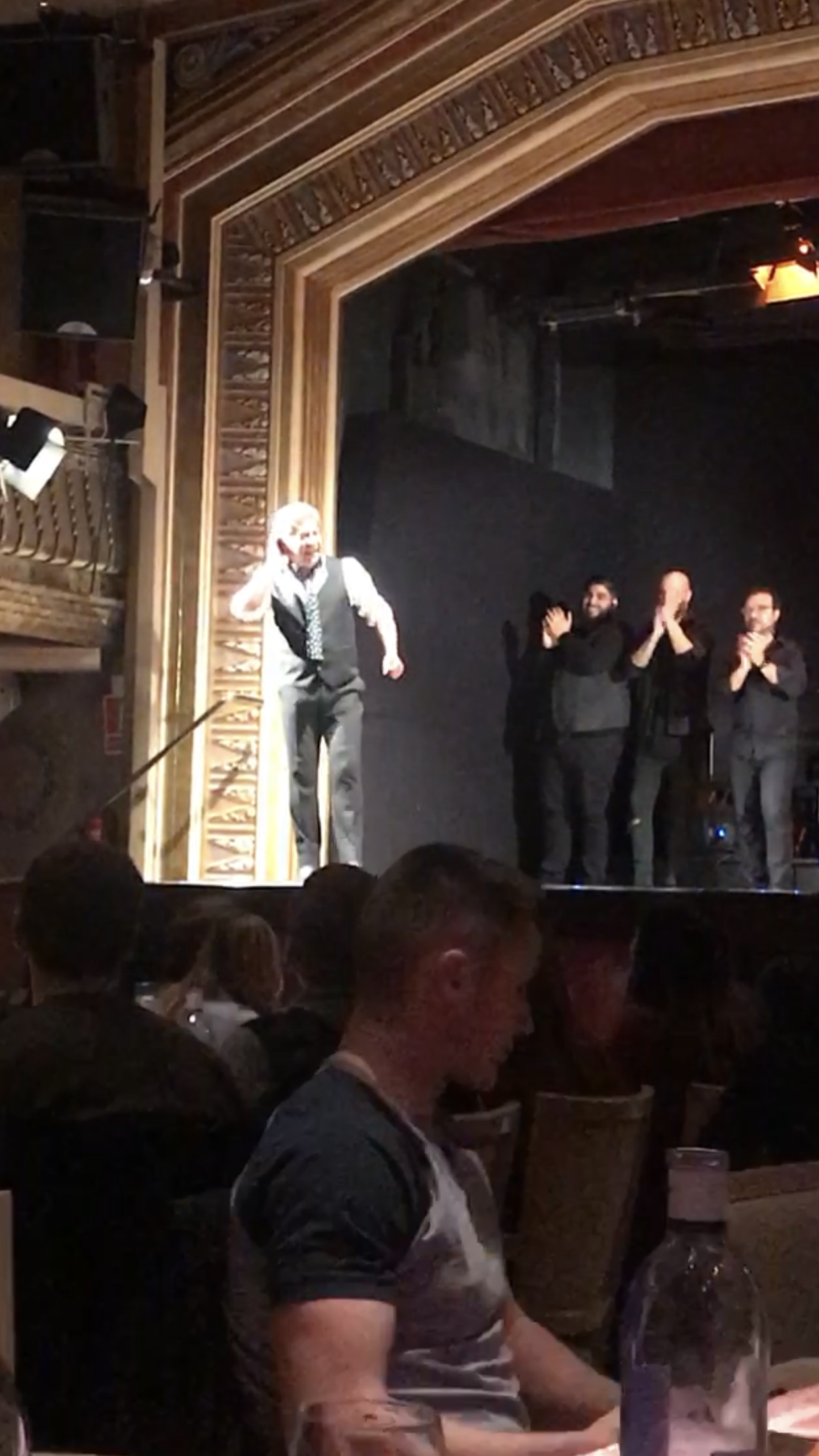
My favorite part of the entire performance was the final act because it was an older man who had incredibly quick foot movements and was obviously a seasoned Flamenco dancer. This man had so much energy and left me wishing to see more. Although the Flamenco is an art form originating from southern Spain, it is performed in many parts of Catalonia today, and it was an performance I was very thankful to be able to experience.
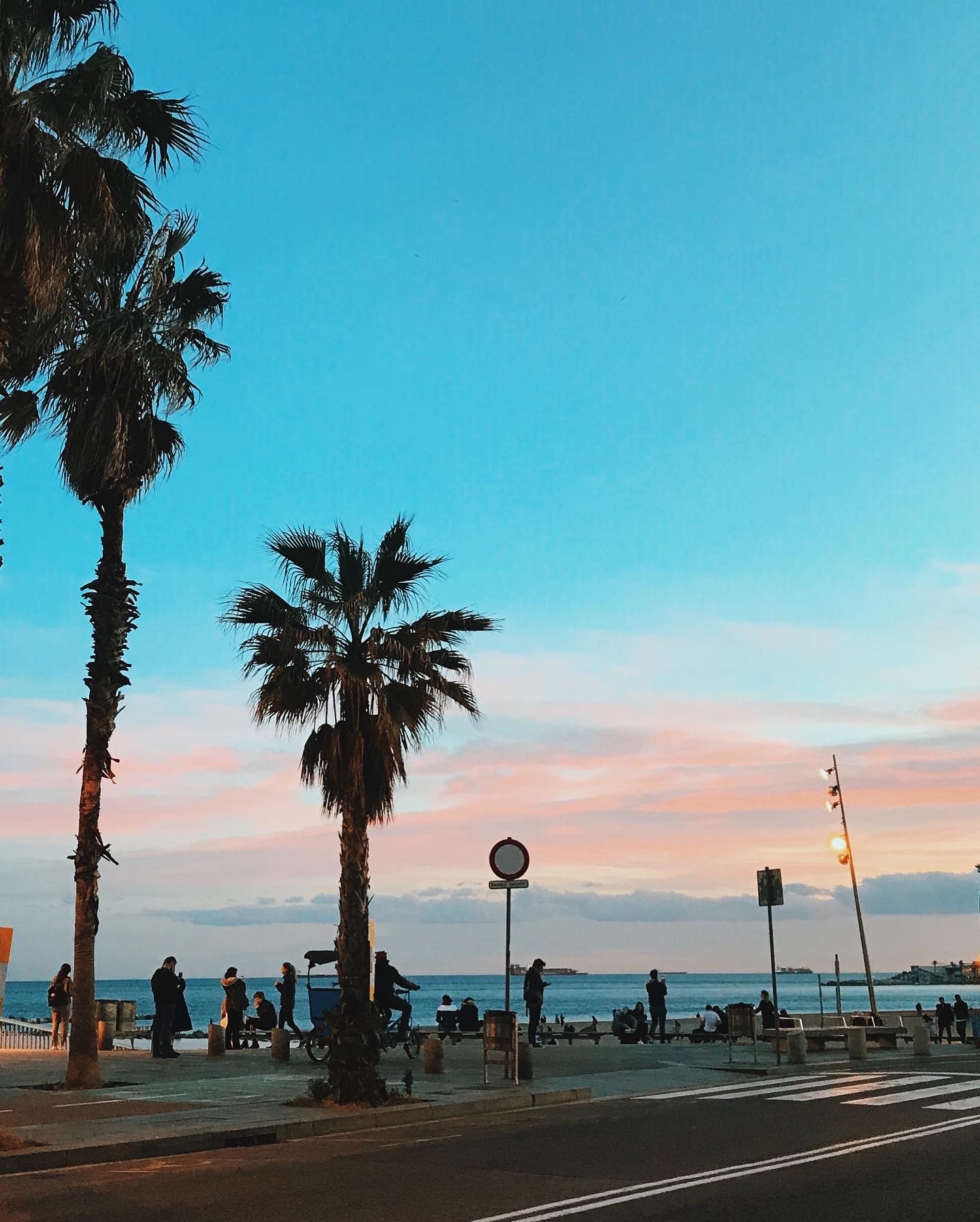
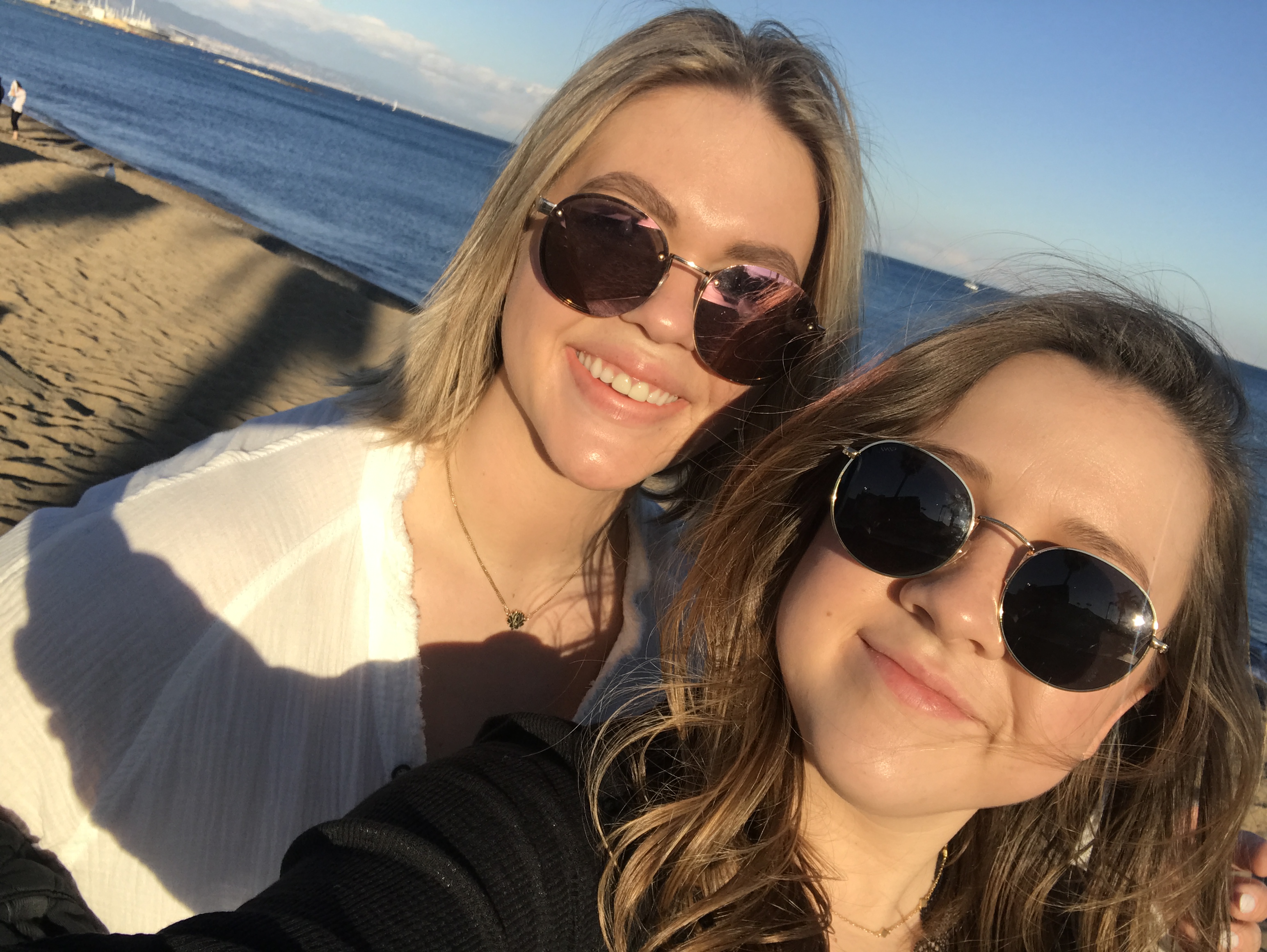
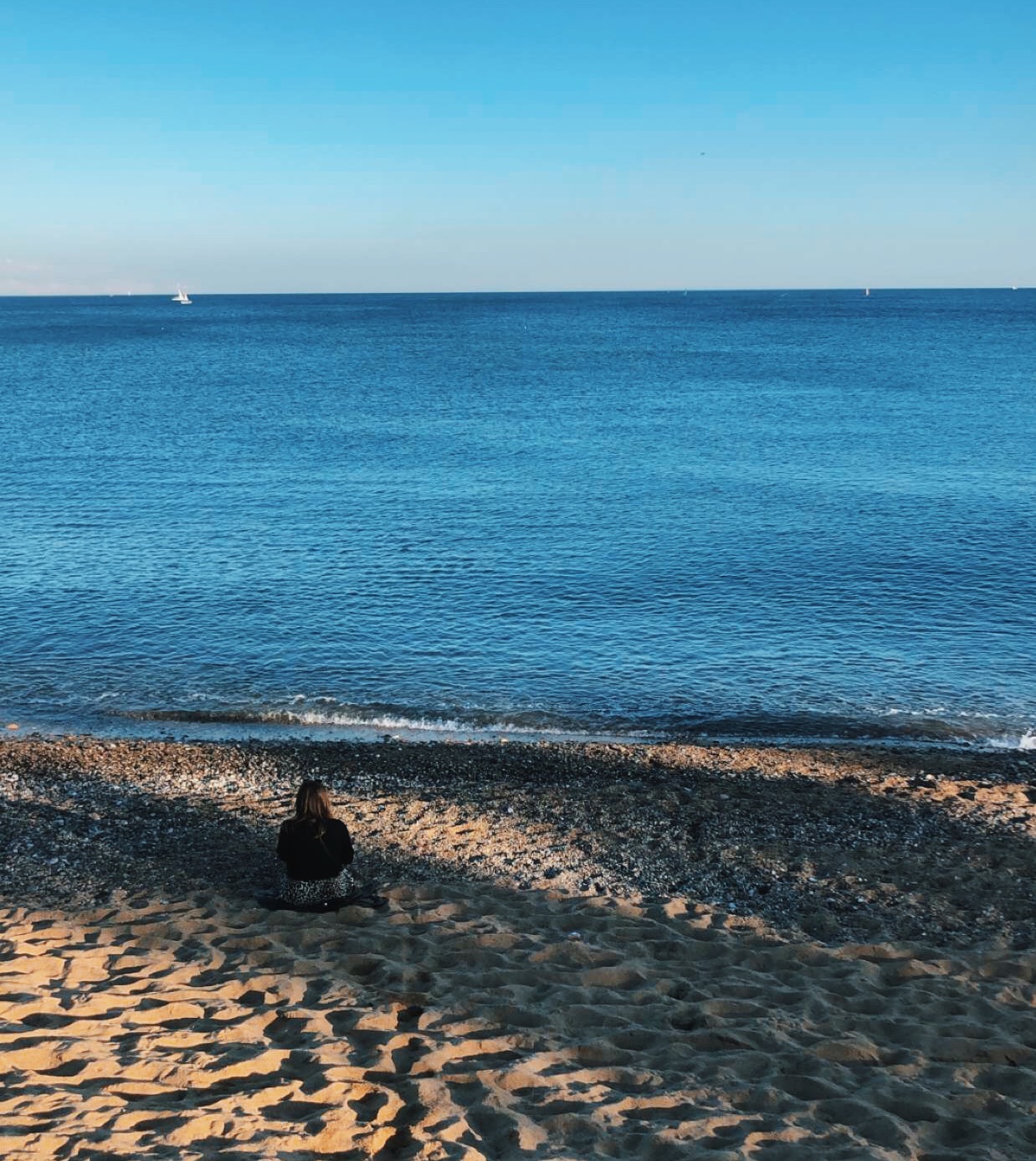
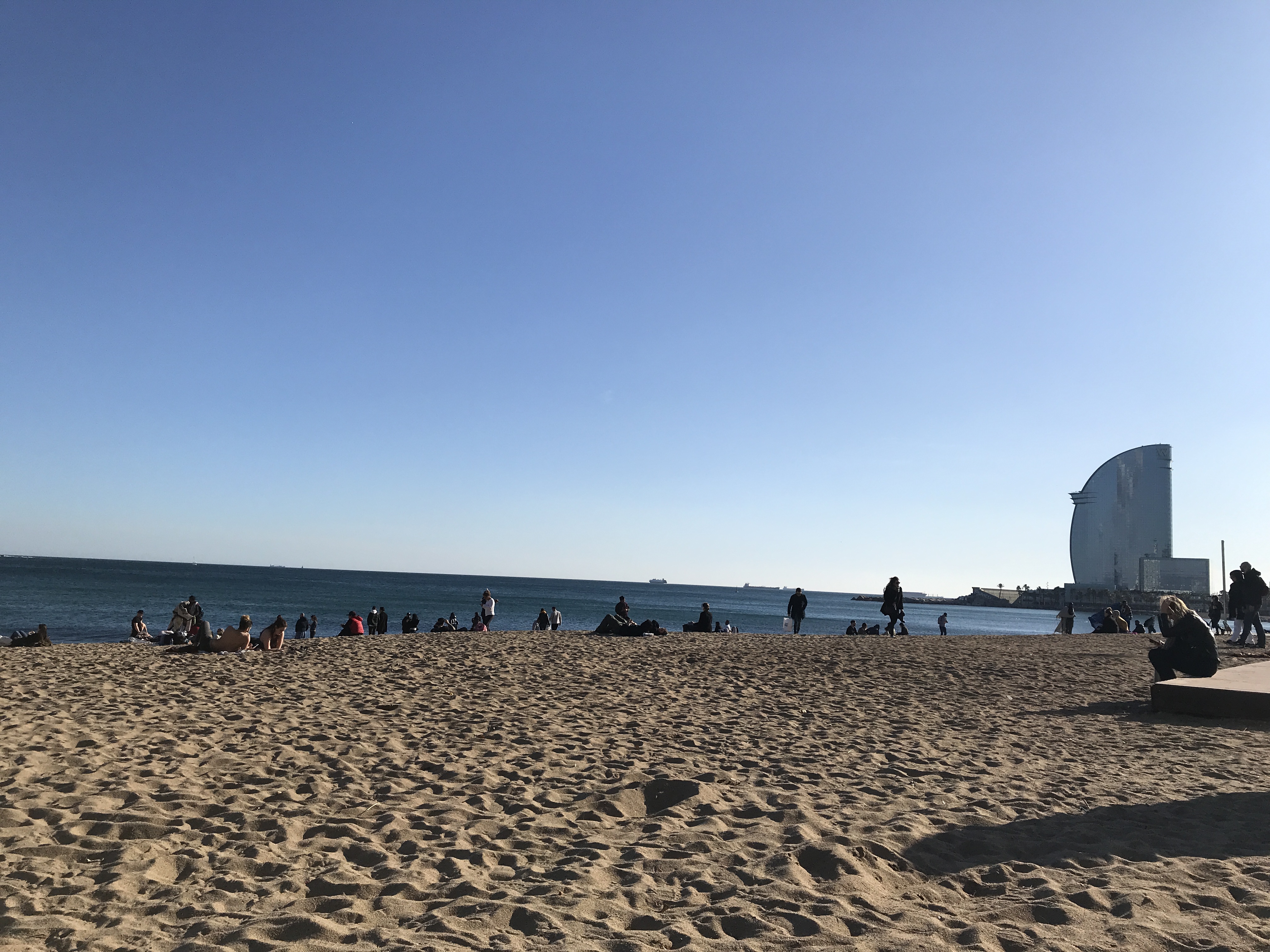
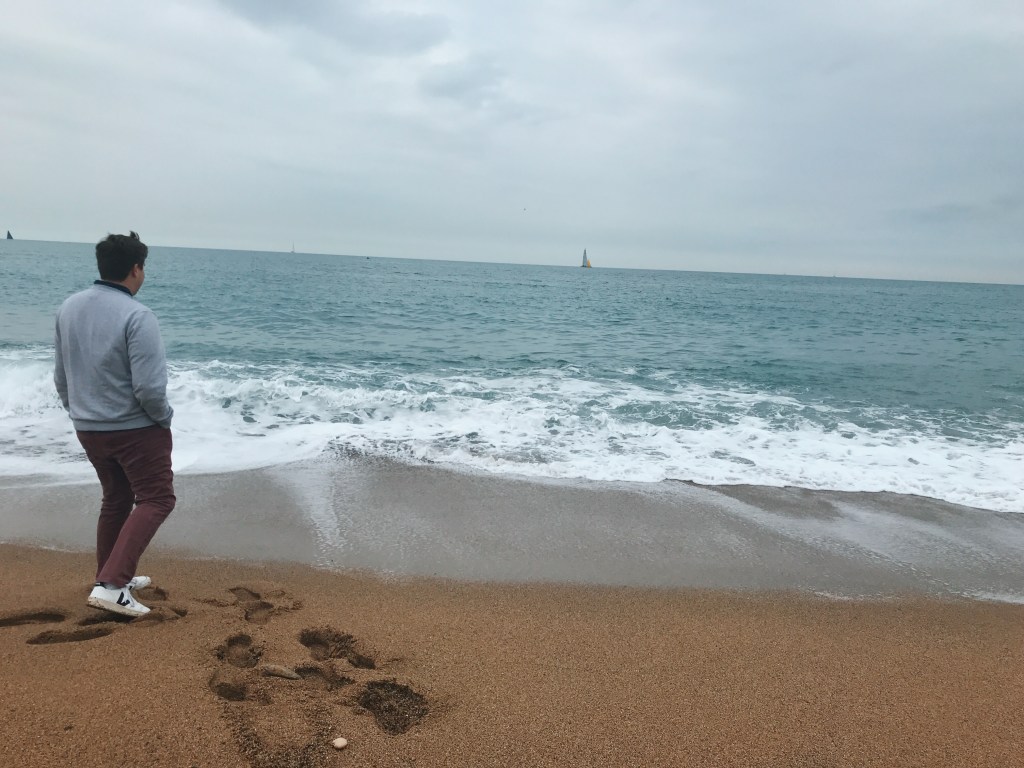
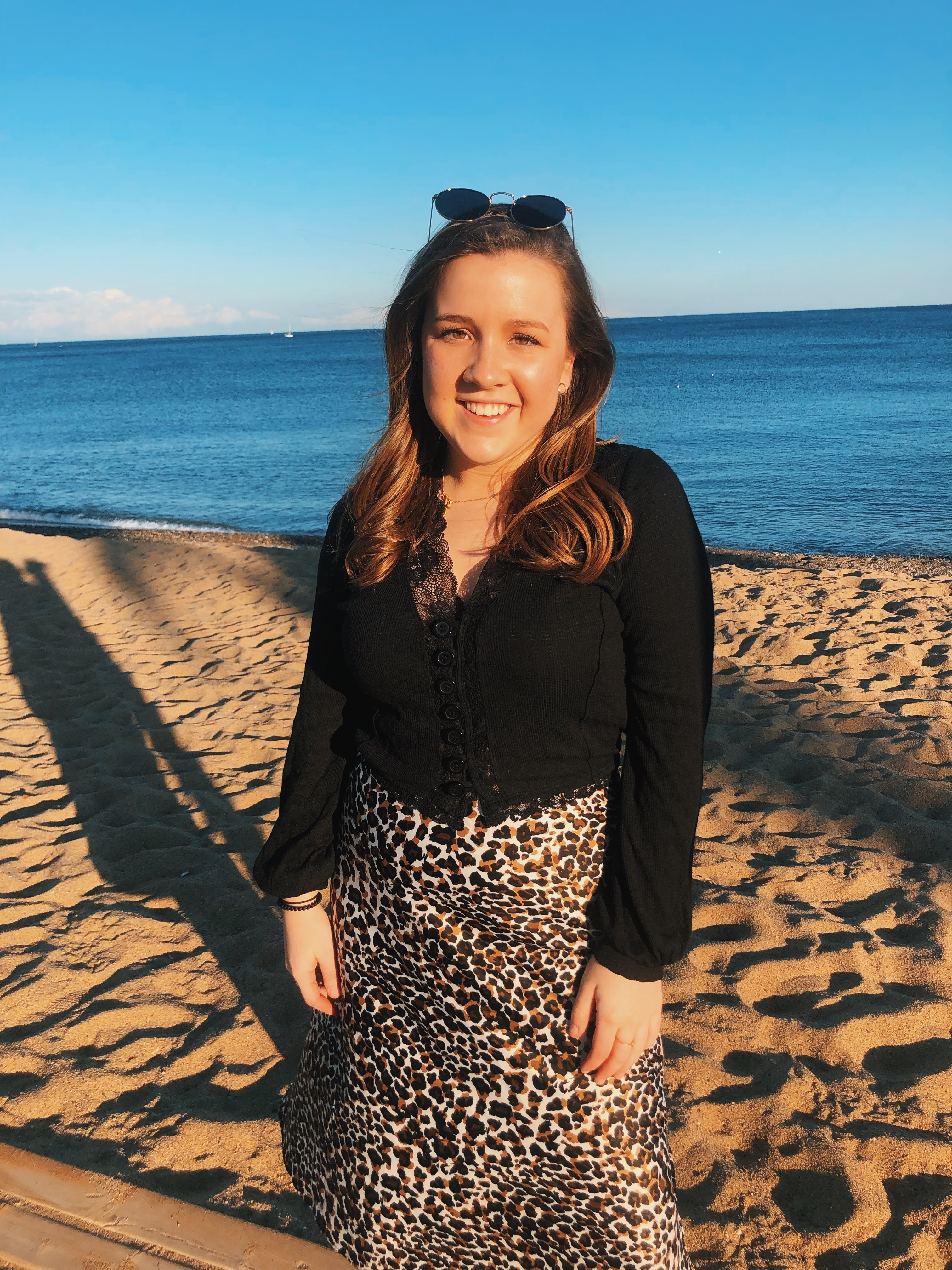
One of my favorite ways to spend my leisure days in Barcelona was in the sand watching the waves roll in. In the United States, I live in a land-locked state, so I don’t get to go to the beach unless I am on vacation. The opportunity to go to the beach whenever I wanted was something I took advantage of as much as I could. I enjoyed the beach in different ways: to sit and think, to spend time with friends, and to observe the people around me.
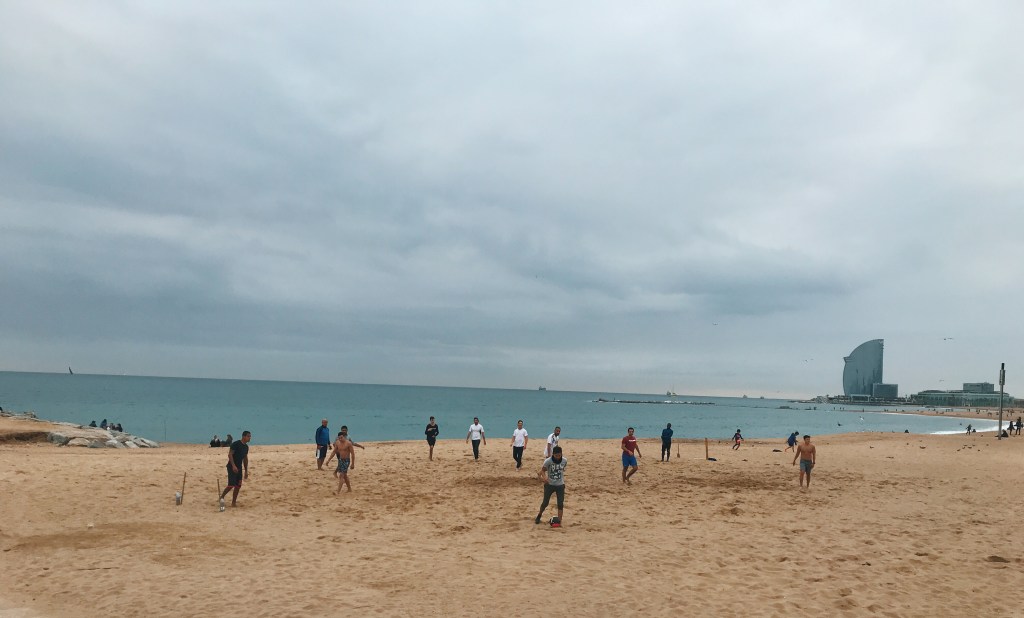
Some of the beautiful things about Barcelona are the warmer climate and the peoples’ love to be outside. I noticed that people would be congregating and enjoying the beaches no matter the time of day and thought this reflected the slower speed of life in Catalan culture. One of my favorite things I witnessed on the beach was a group of older boys playing soccer with their team. To me, the beach seemed to be an unconventional place to play, but I had an amazing time watching them skillfully maneuver their way through the sand. I always brought my visitors to Barceloneta because I wanted them to see both the sea and mountain sides of Barcelona. One day, I even got into the Mediterranean and was freezing, but it’s something I will never forget.
The time I spent at Barceloneta beach reminded me to slow down and take in as much as I could during my time in Barcelona.
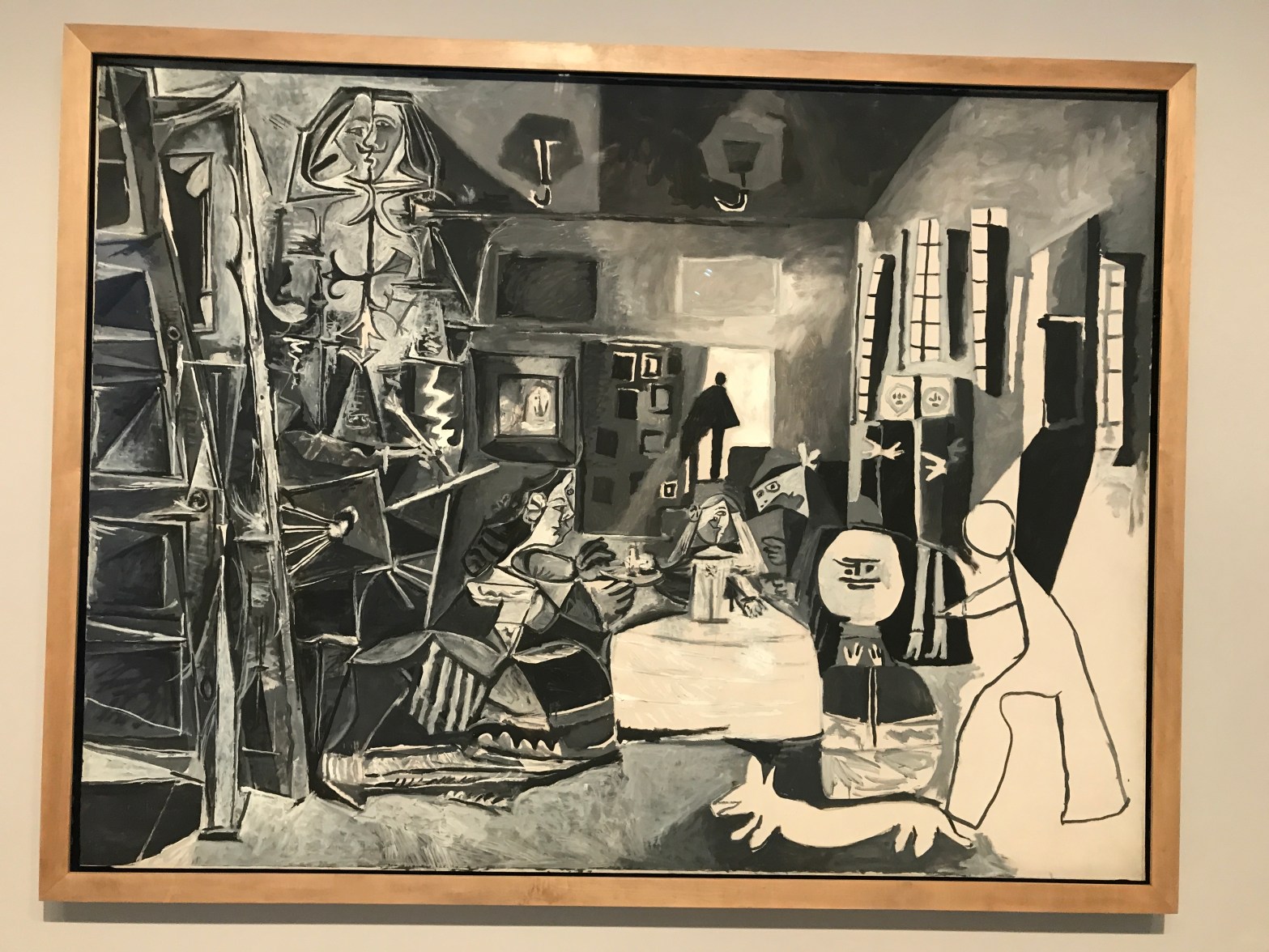
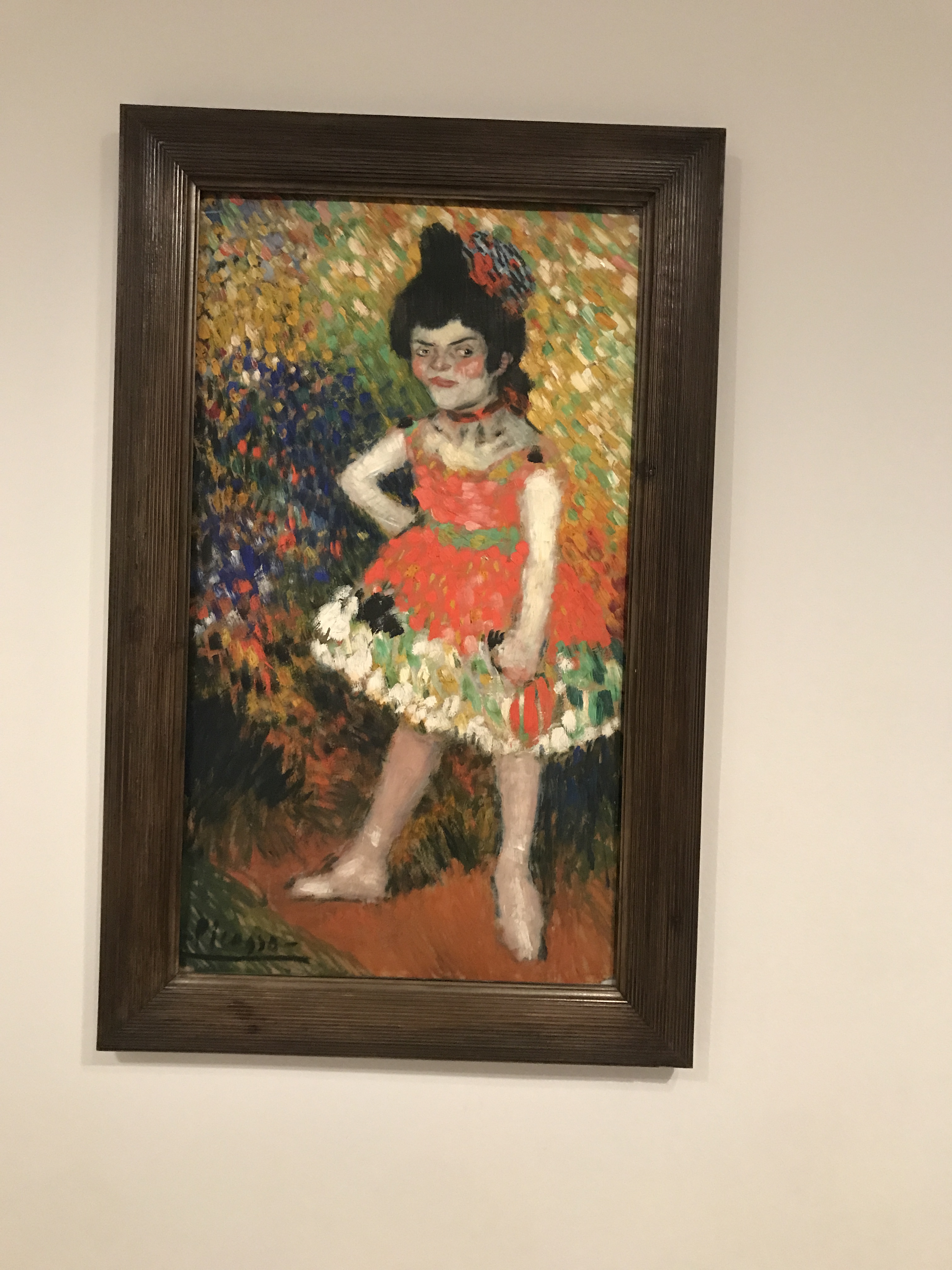
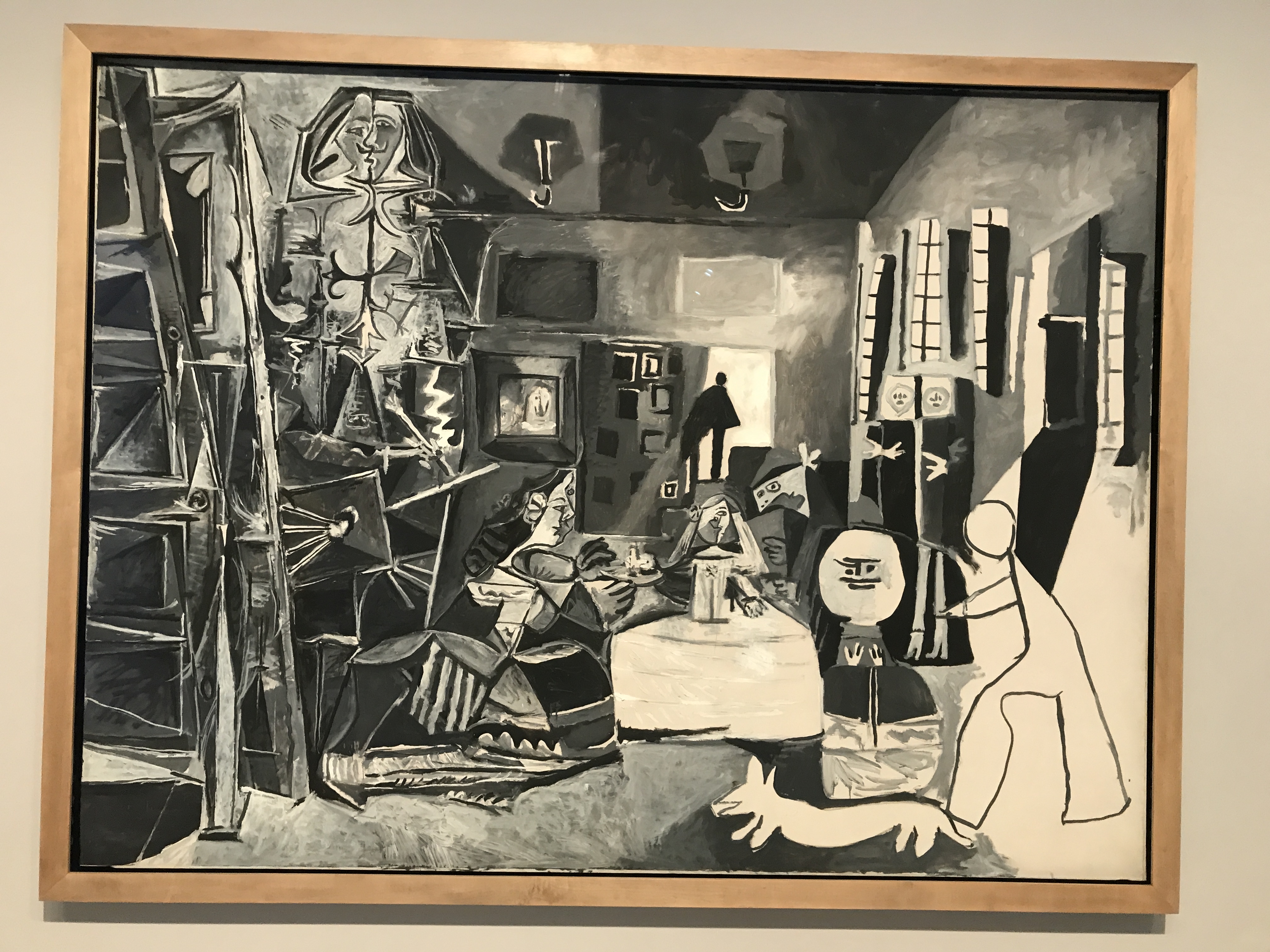
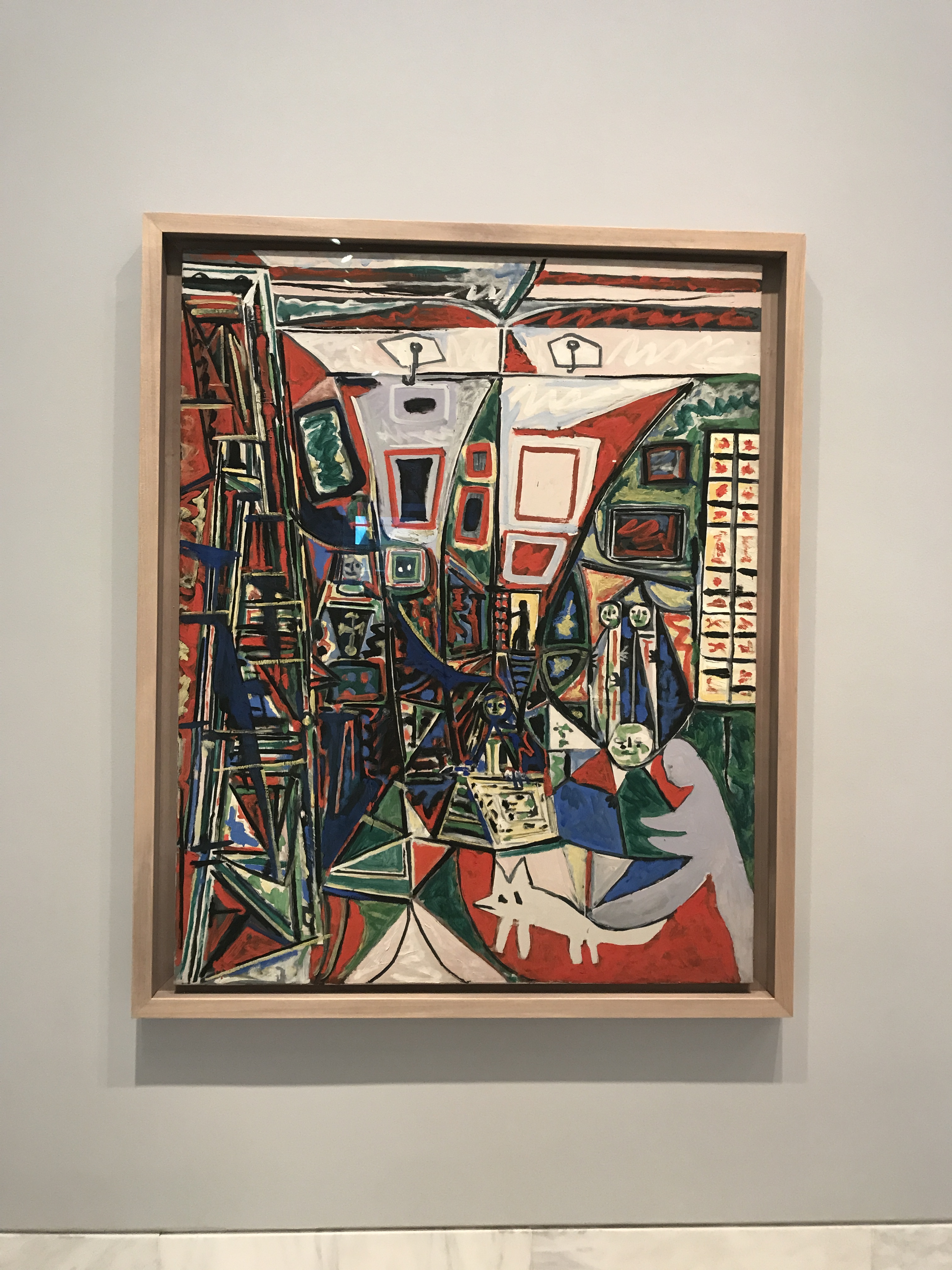
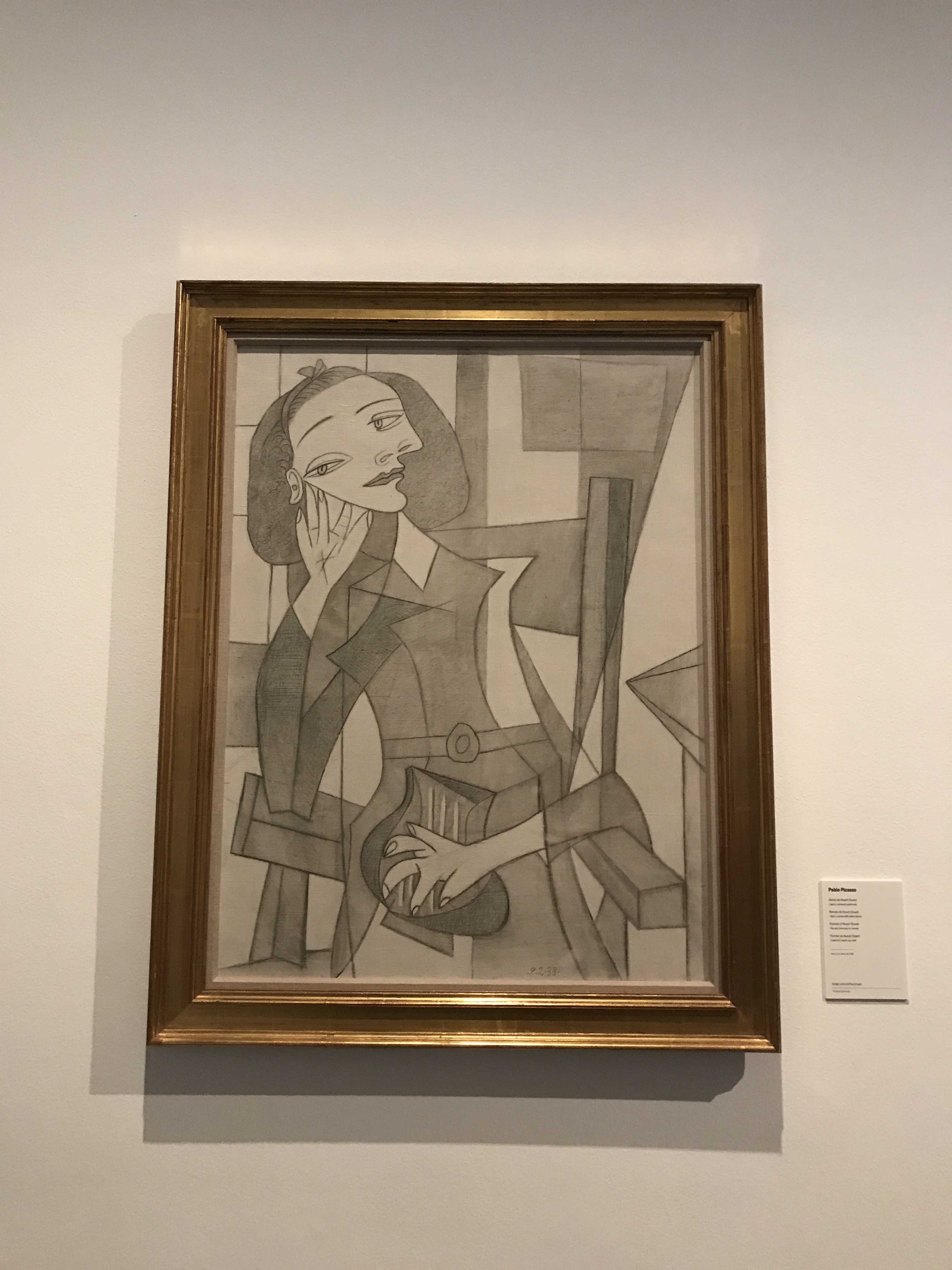
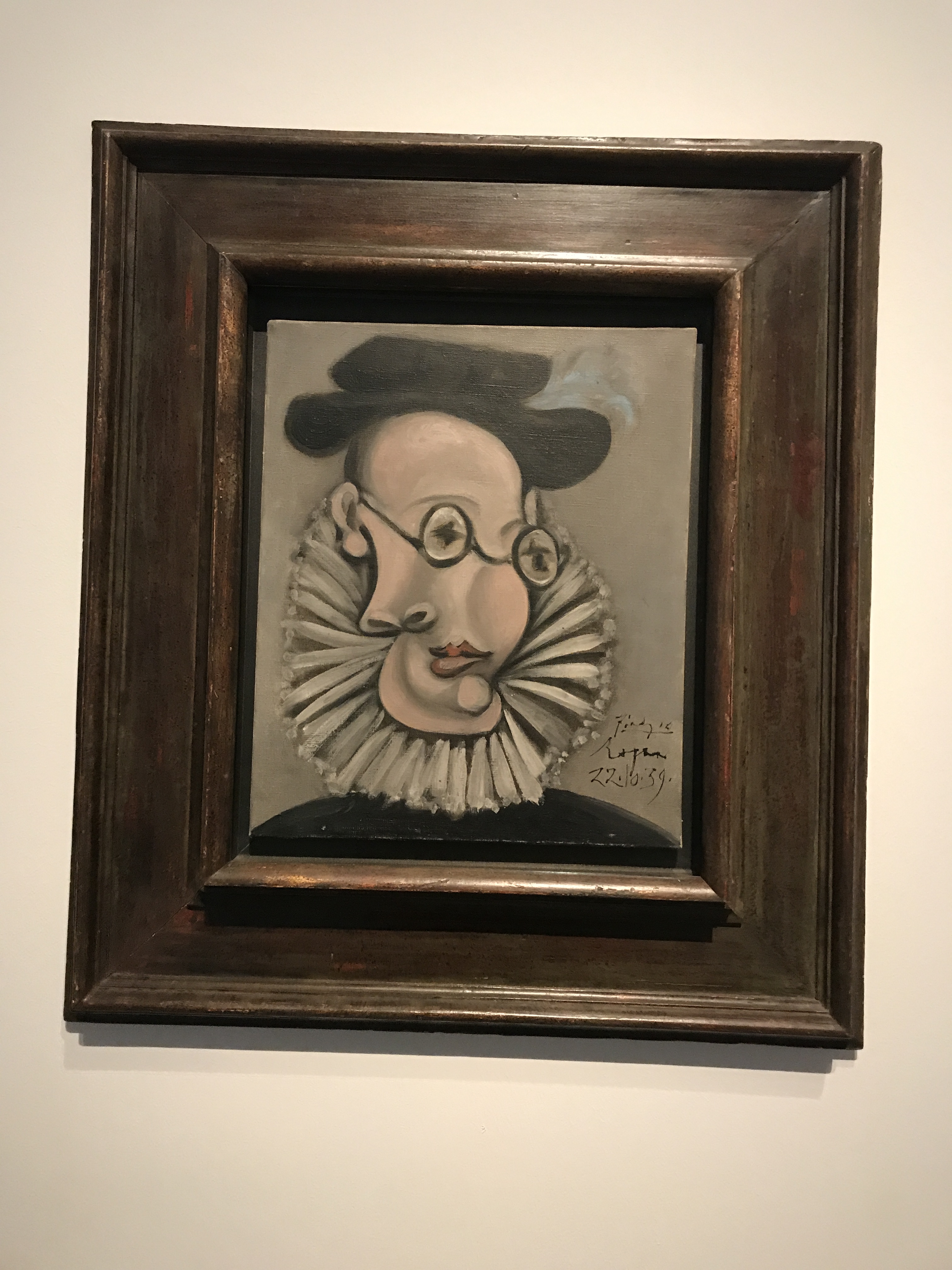
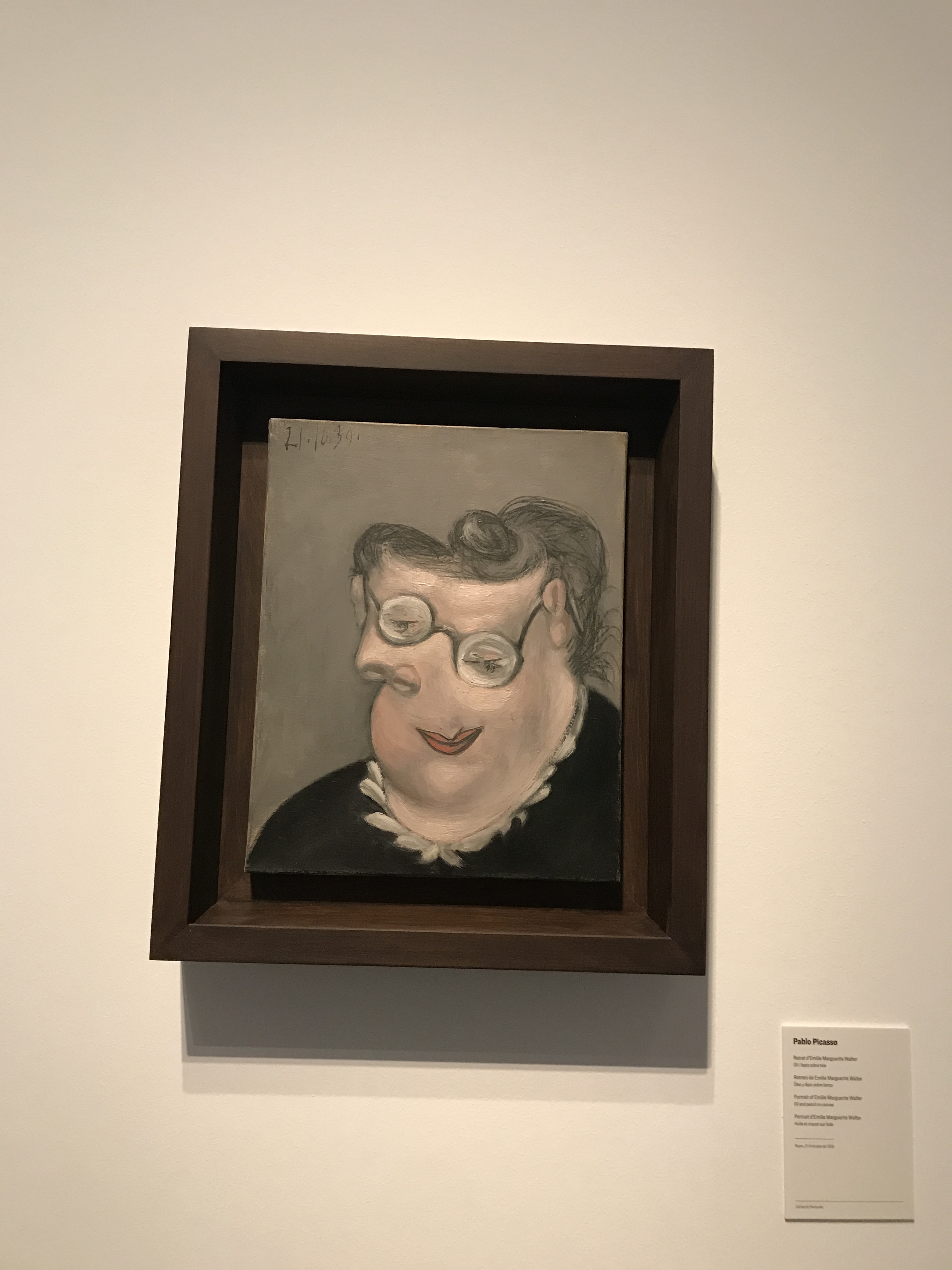
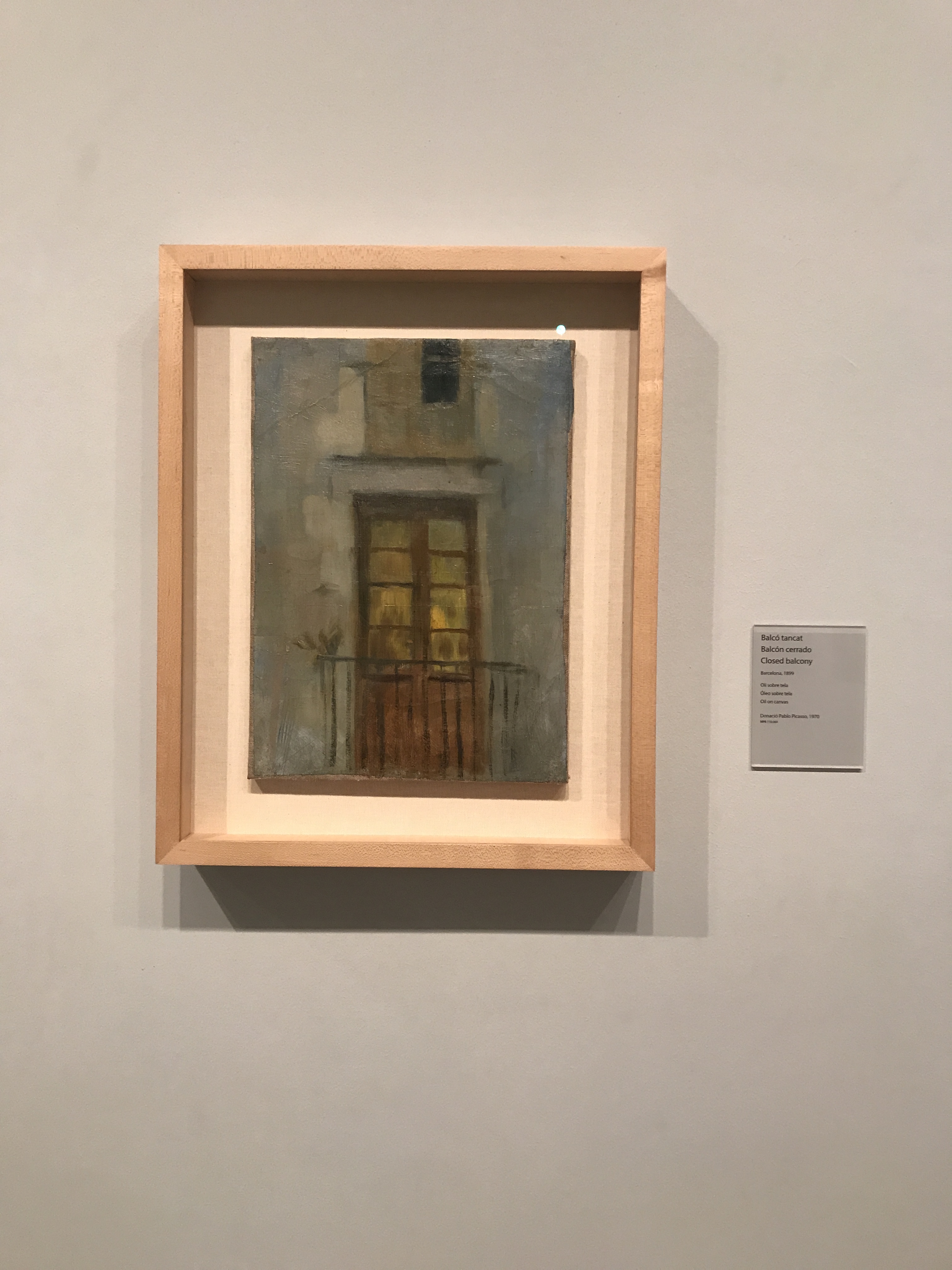
One of the last cultural activities I was able to do in Barcelona was my visit to Museu Picasso on March 6th. I have been learning about Pablo Picasso in school for as long as I can remember, so my visit to the museum, with one of the most complete permanent collections of his works, was very important to me. Not only does the museum house over 4,200 of Picasso’s pieces, but it is located in Barcelona, the city that played a large role in Picasso’s formative years as an artist. It was amazing to finally see some of the pieces I have studied in text books in real life. I loved being able to see the development of his work from his early years all the way until his return to Barcelona.
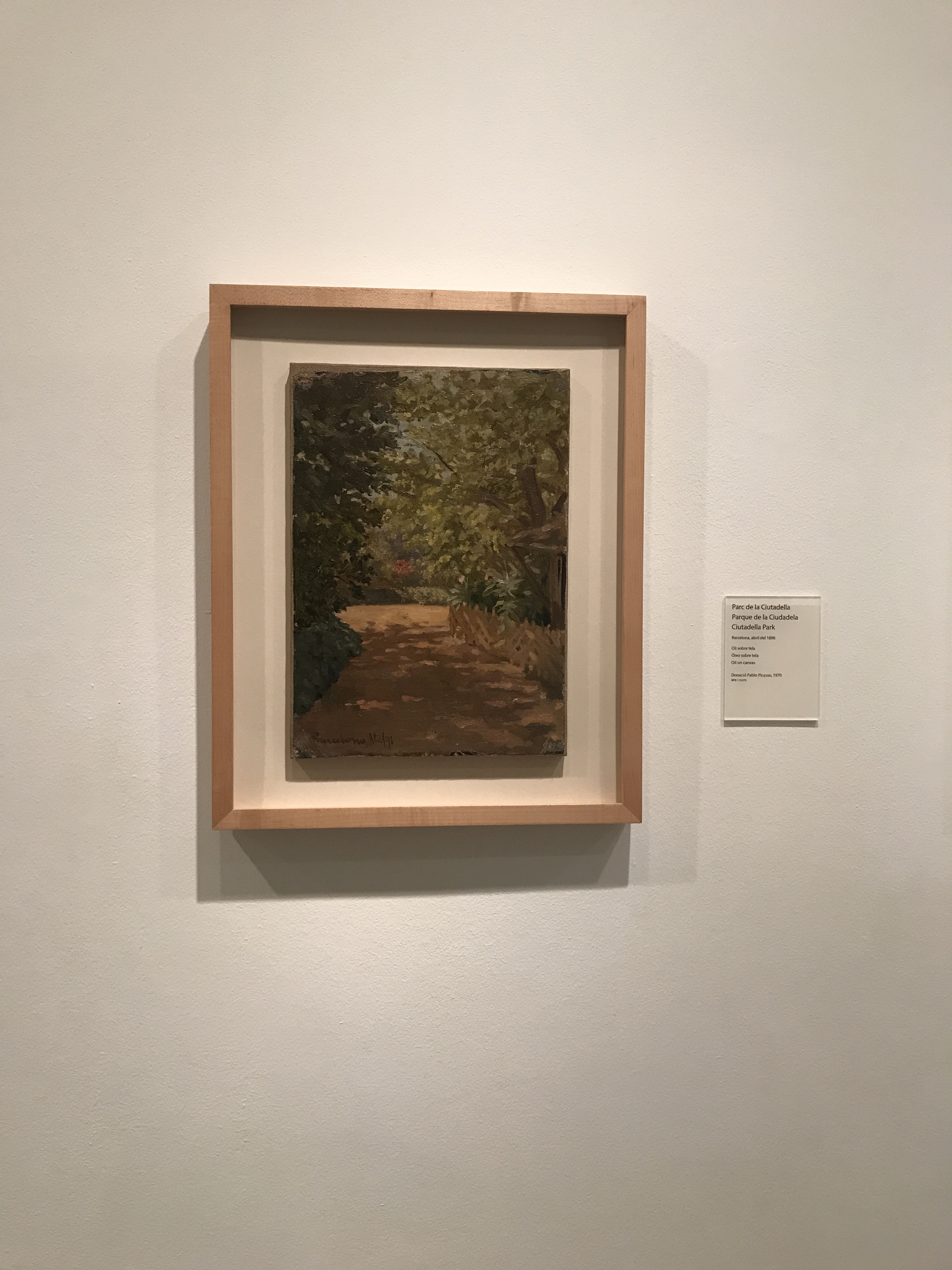
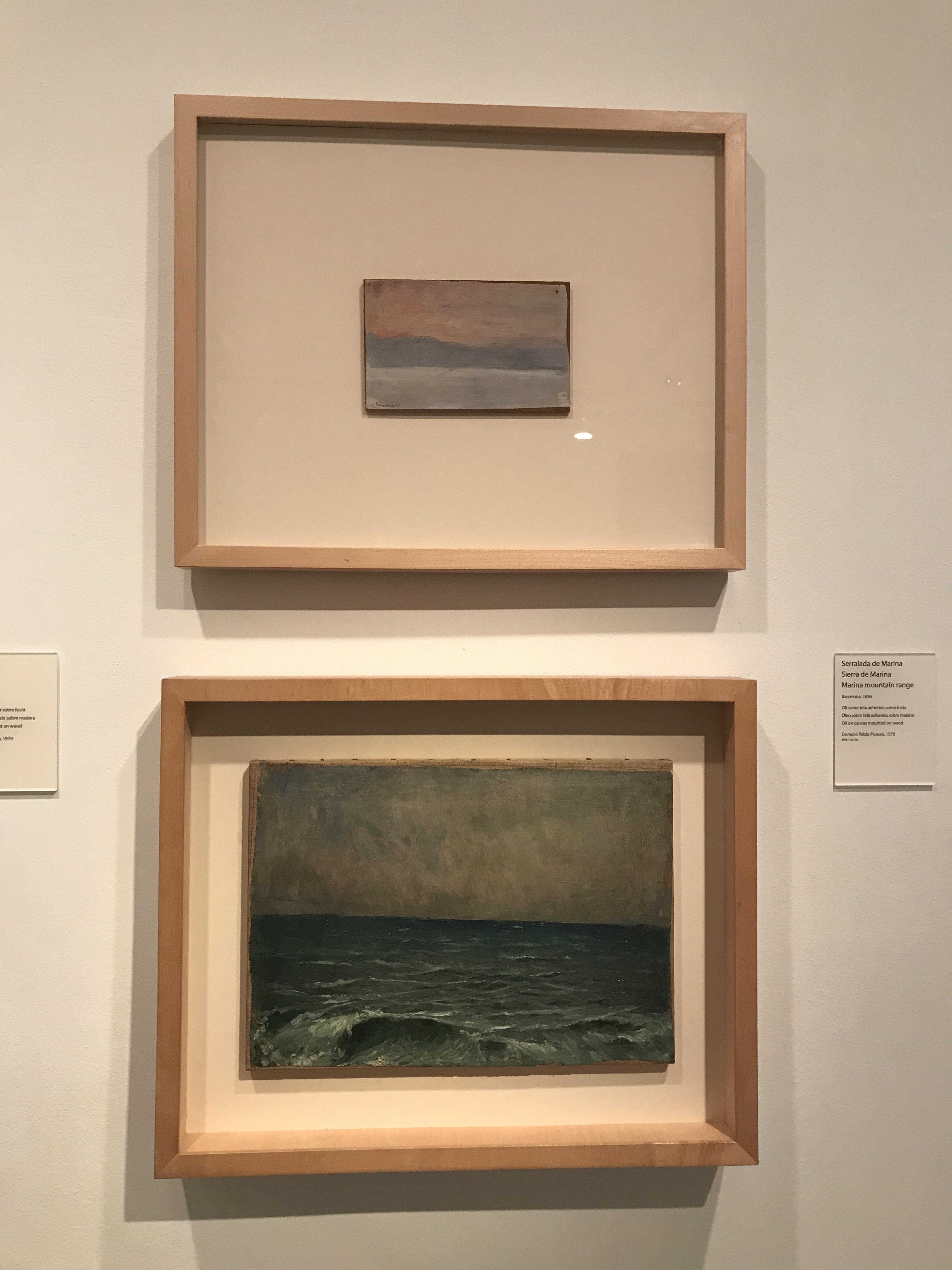
Some of my favorite works I saw in the museum were Picasso’s abstract paintings of people. I also really enjoyed Donació Pablo Picasso’s landscape pieces, such as “Parc de la Ciutadella” and “Serralada de Marina.” It was interesting to see the contrast between the father and son’s artwork.
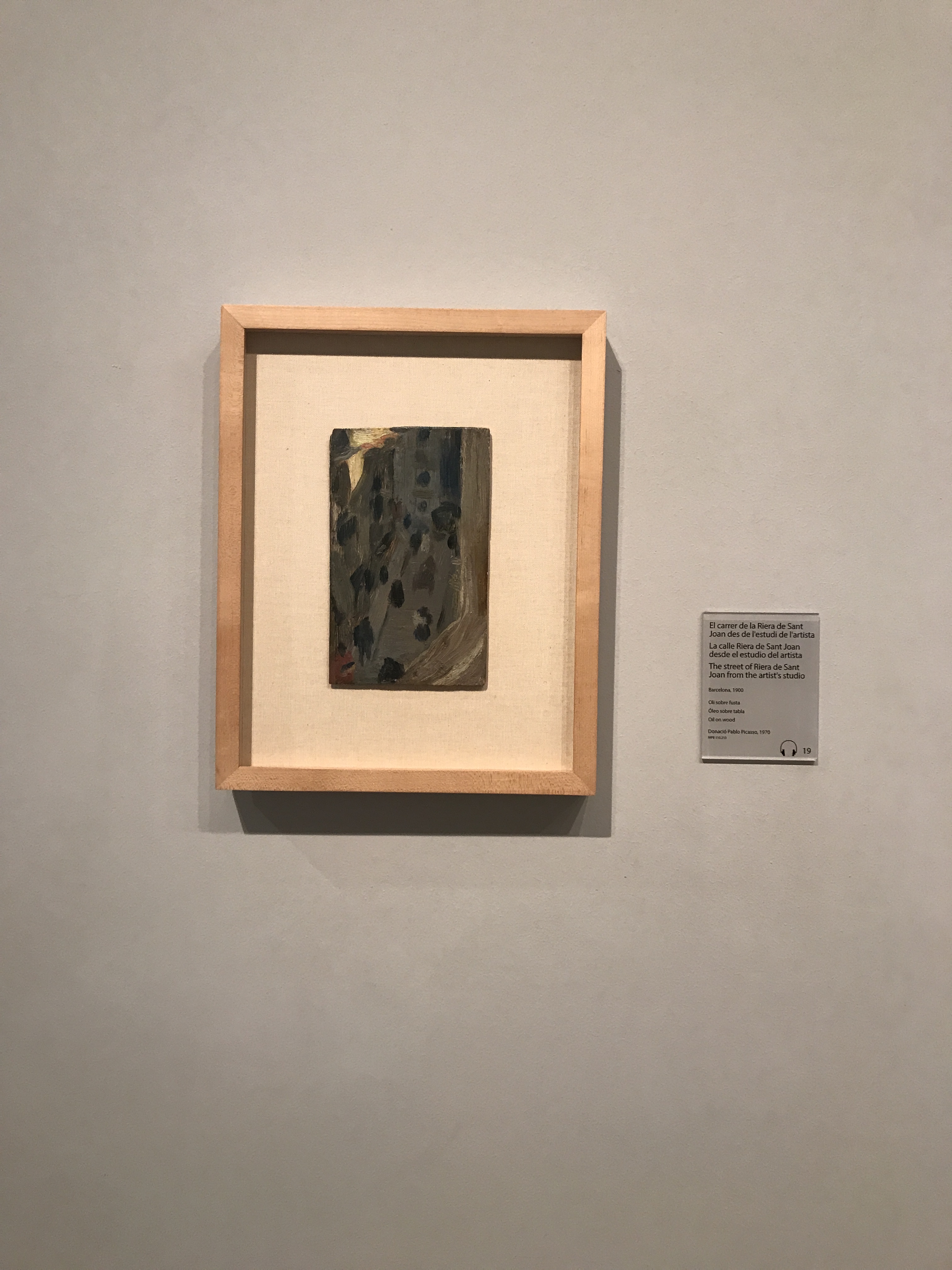
There was a portion of the museum dedicated to Picasso’s return to Barcelona in 1899 and his membership in the Catalan avant-garde. His work in this section of the museum is dominated by the human figure and greatly influenced by Catalan Modernism. During this time, Picasso continued to paint landscape scenes and introduced, the landscape seen from the window. I really enjoyed my time at the Museu Picasso because I felt that I was able to get a better grasp on Picasso’s formative years as an artist.
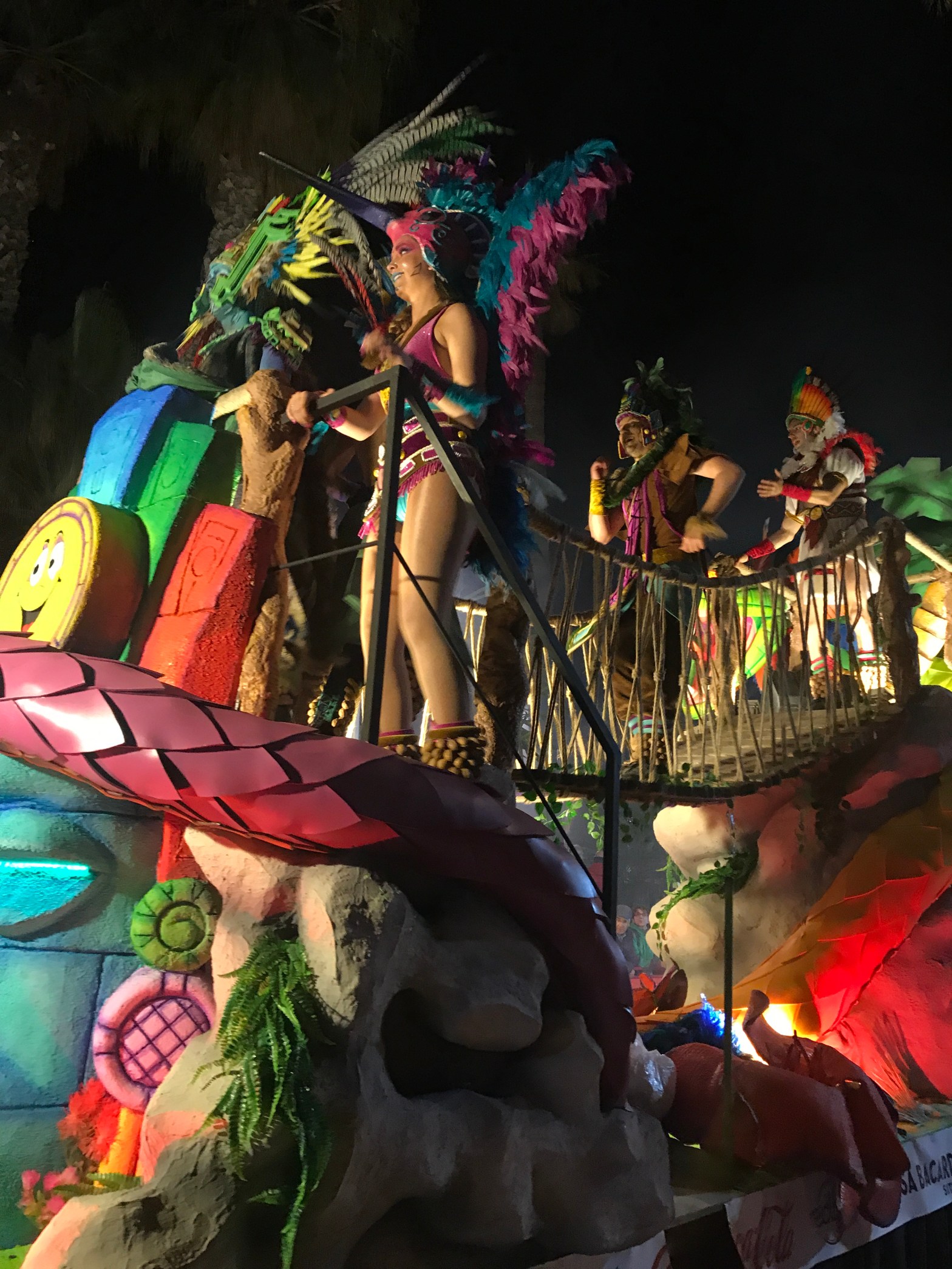
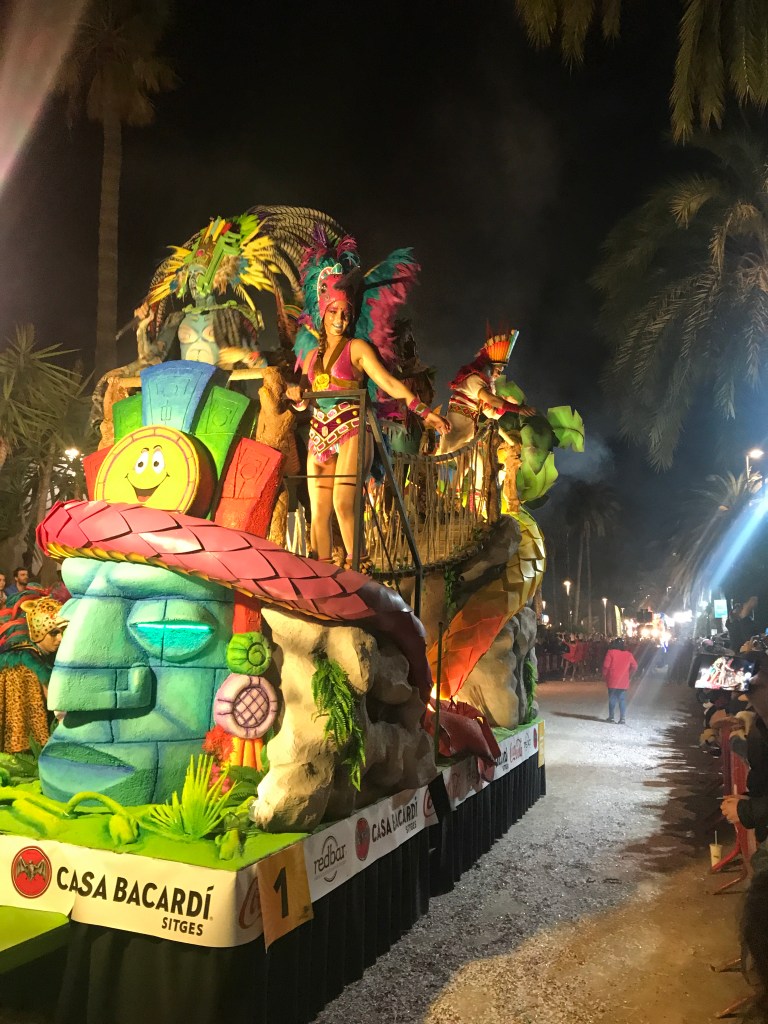
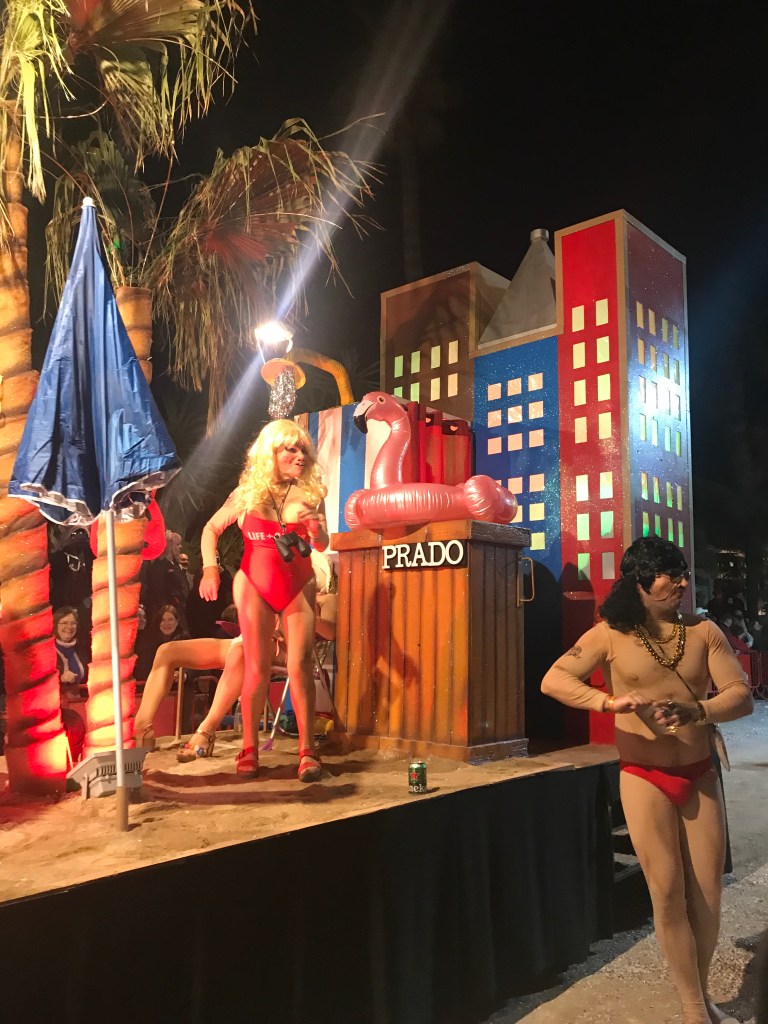
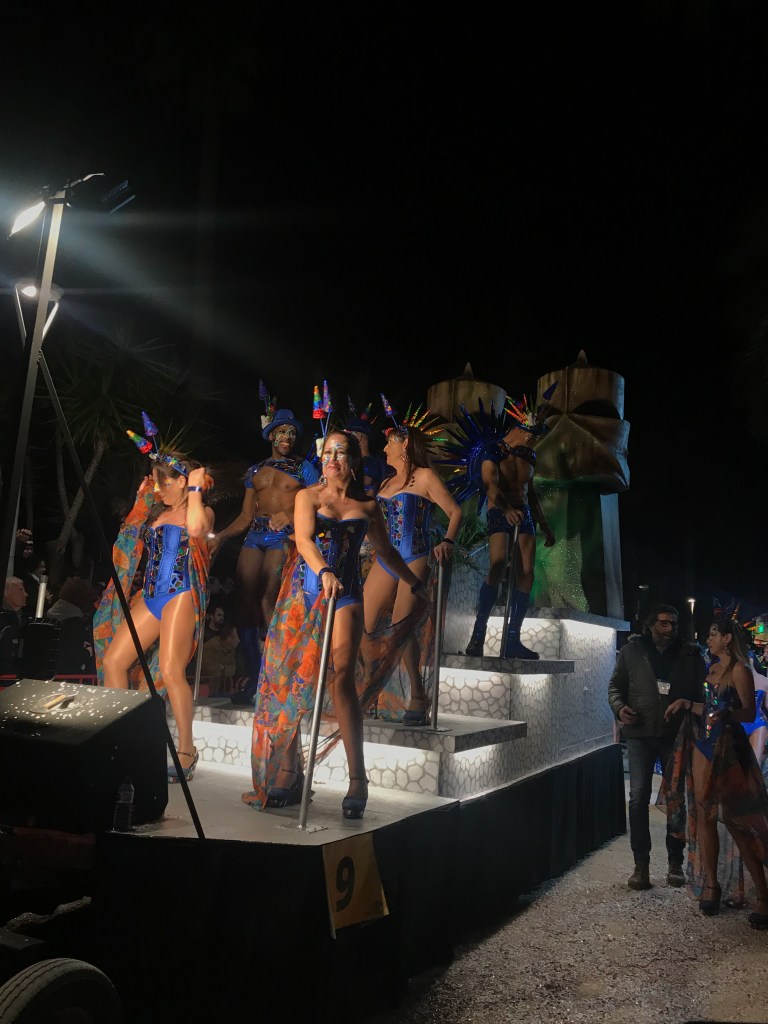
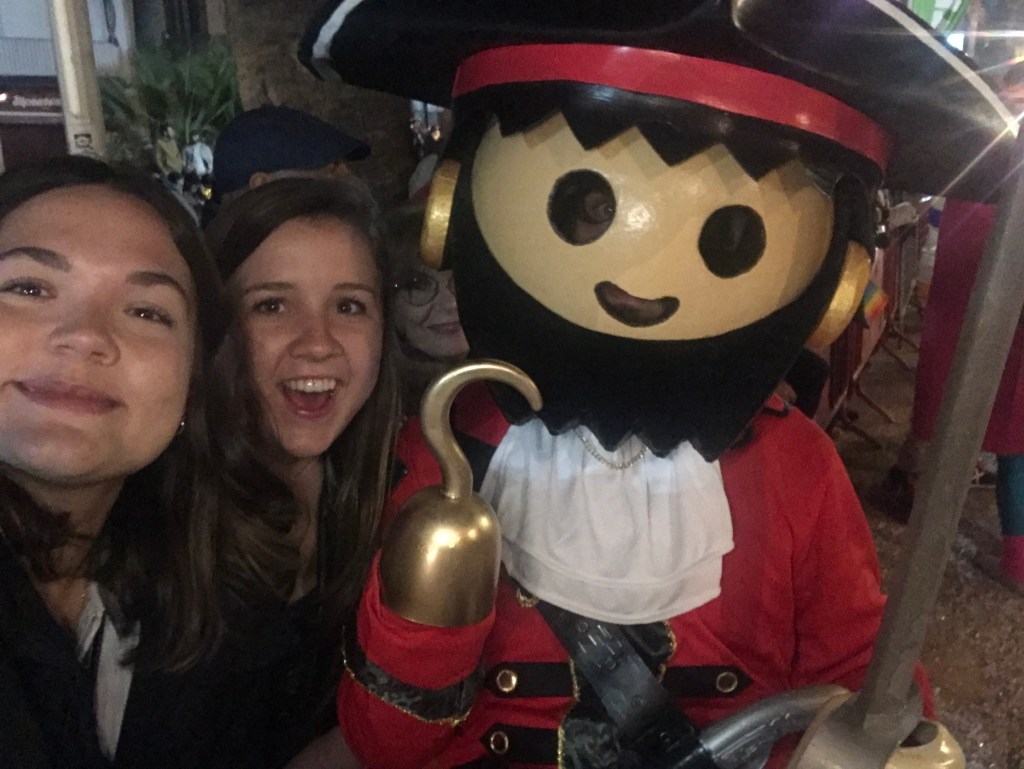
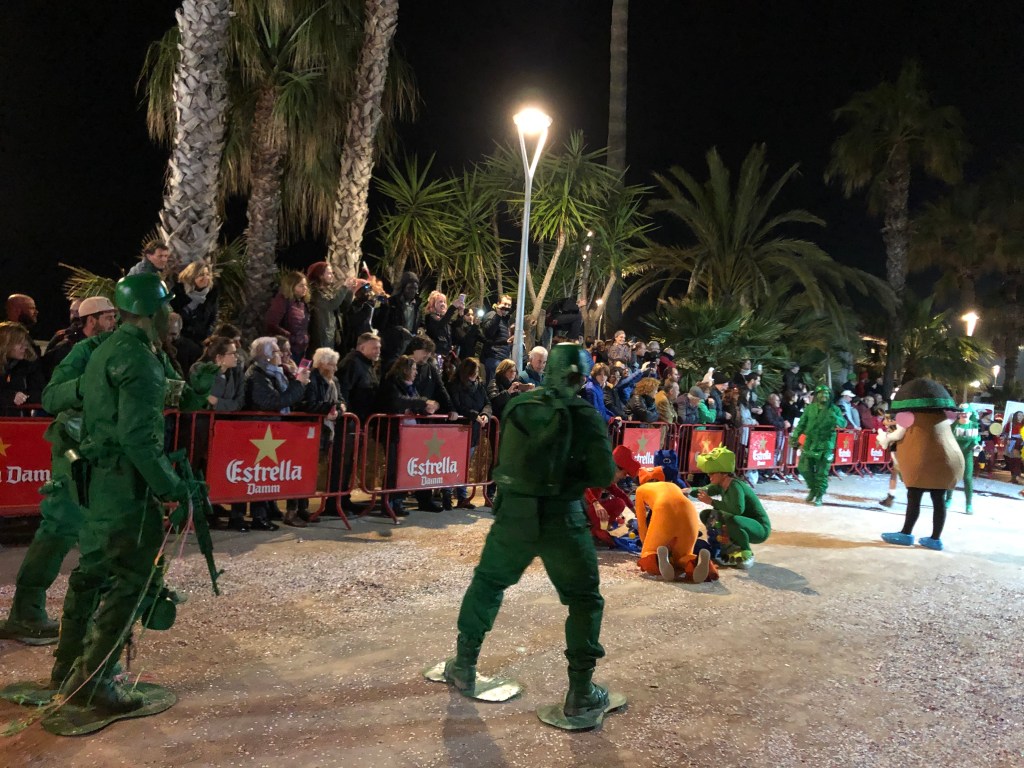
One of the cultural activities I had a chance to go to was Carnival in Sitges, Spain. Sitges is a coastal town, 35 kilometers southwest of Barcelona. The Sitges Carnival has over 100 years of history and is one of the most emblematic of all the carnivals in Europe. Four of my friends and I rode the train from Barcelona to Sitges on February 25th to be some of the 250,000 annual visitors to the town for Carnival. As soon as we got off the train, we could feel the excitement in the air. The streets were covered in paper confetti and banners and decorations hung everywhere we looked. One of my favorite parts of walking through Sitges was seeing all of the visitors dressed in costume. It was fun to see all of the colorful and creative costume ideas, and I really liked how everyone was excited and participating. The weekend prior to my visit to Sitges, I traveled to Nice, France for its Carnival. I enjoyed getting to see multiple parades in different countries because I was able to witness the cultural differences. The Sitges parade was very interactive and laid back. The dancers in the parade were drinking while walking, obviously having as much fun as the audience. They all wore lavish costumes and rode on top of colorful floats. As I watched the parade, I loved the energy of the dancers and the spectators. The event really portrayed the element of community that is so prominent in Catalan culture. This cultural activity had a lasting impact on me because I have never experienced anything like it in the United States, and I had an amazing time being immersed in the Carnival atmosphere.
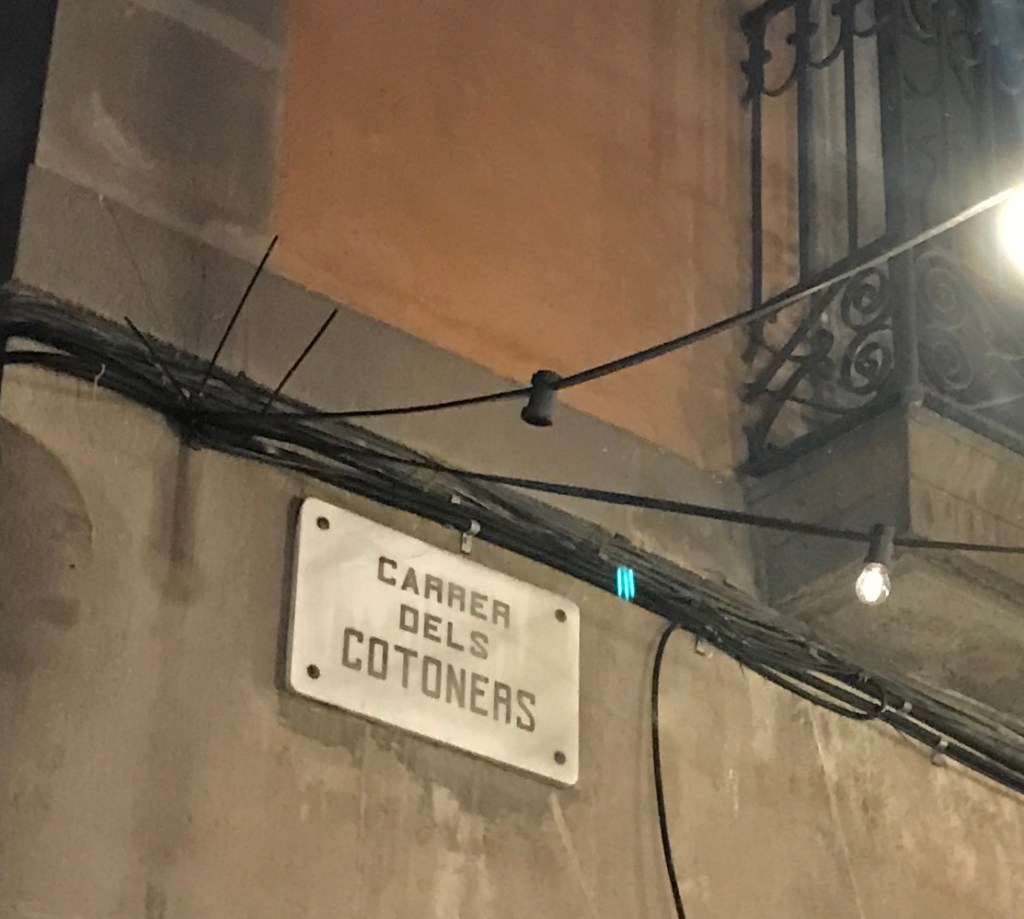
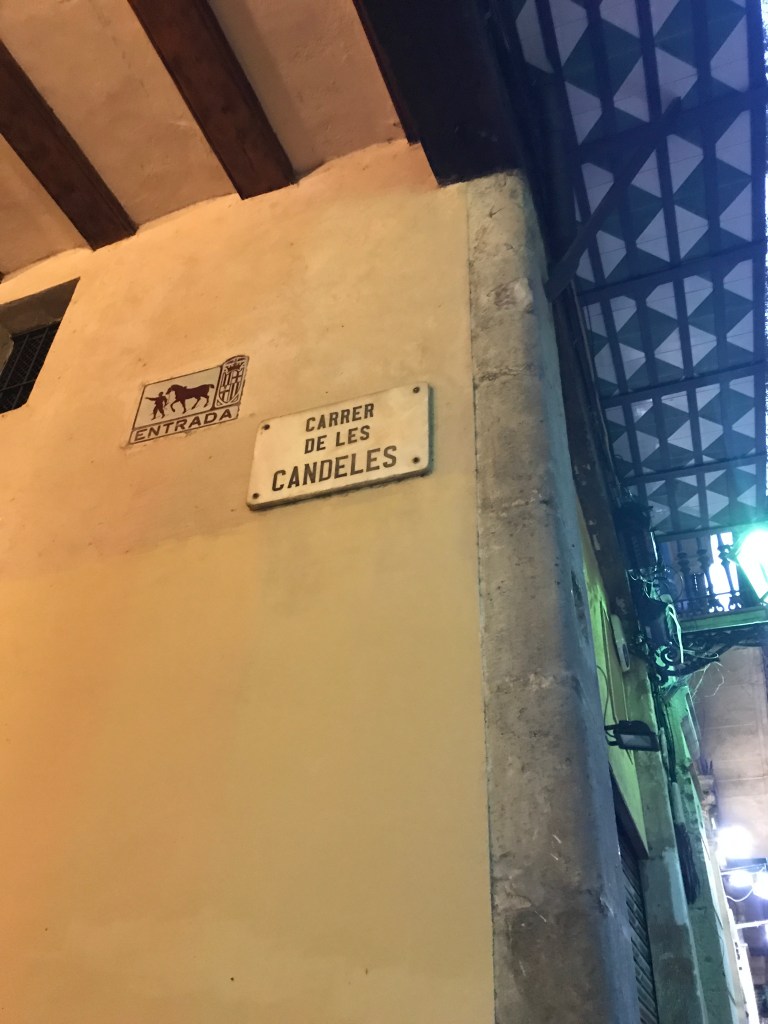
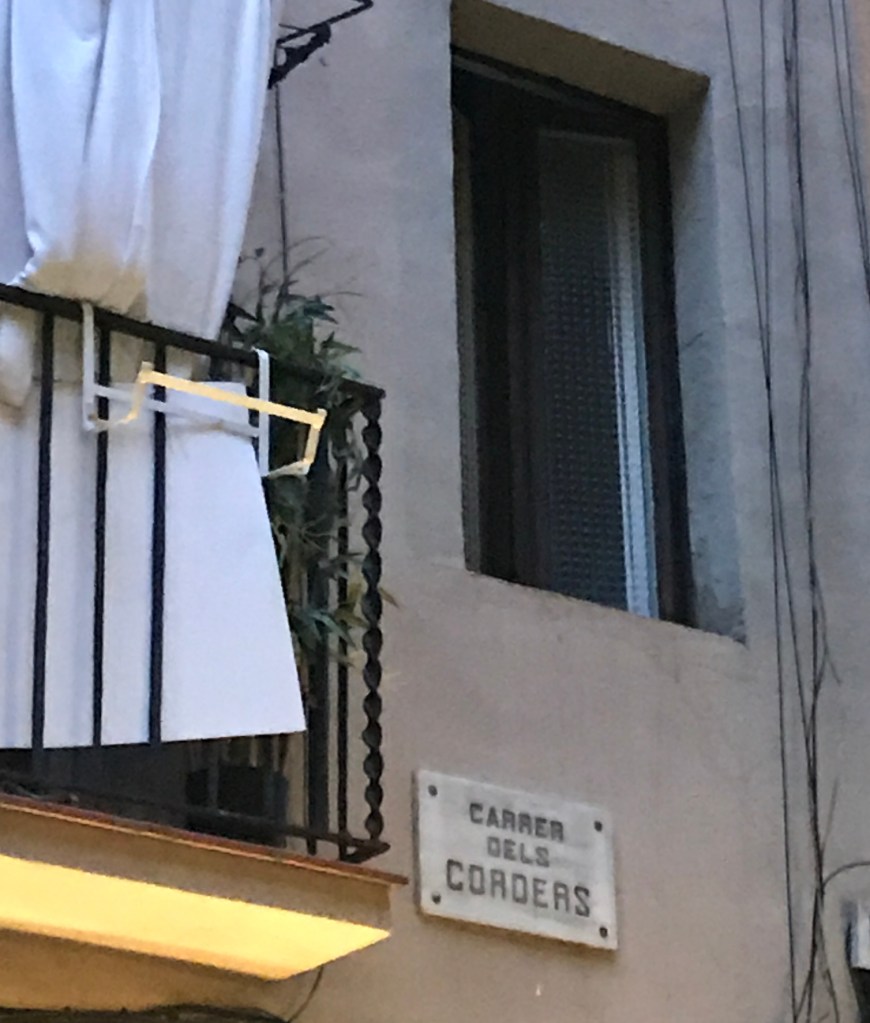
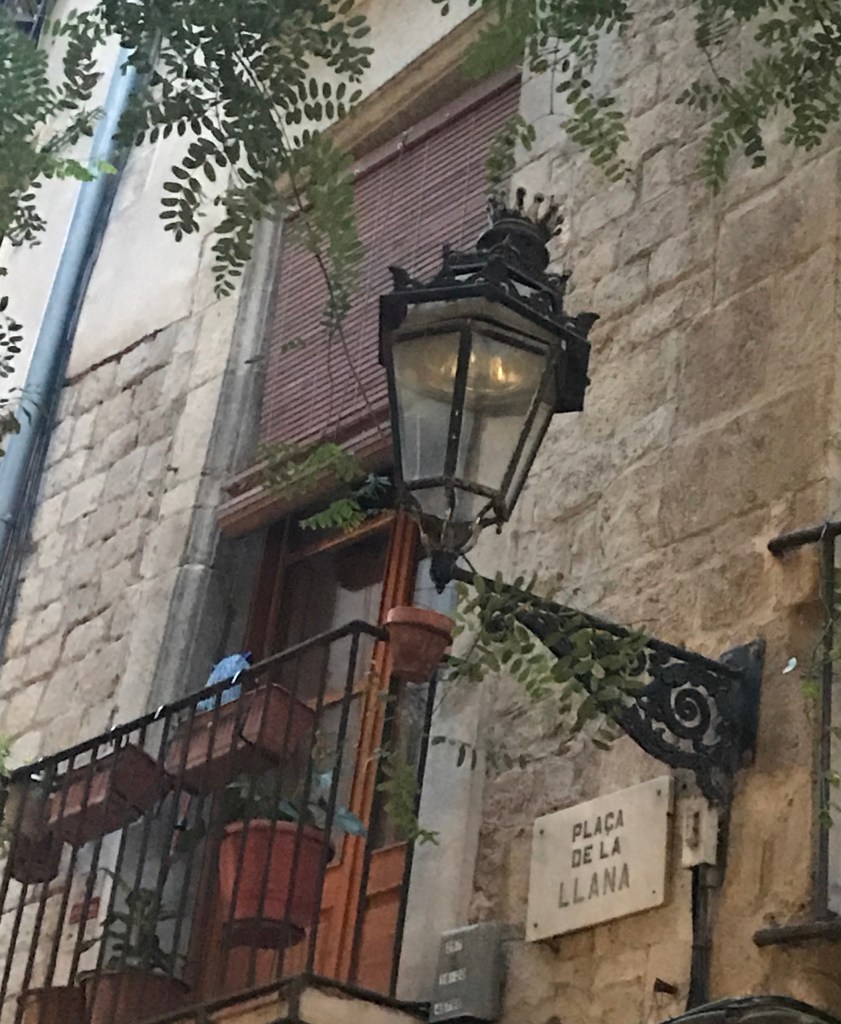
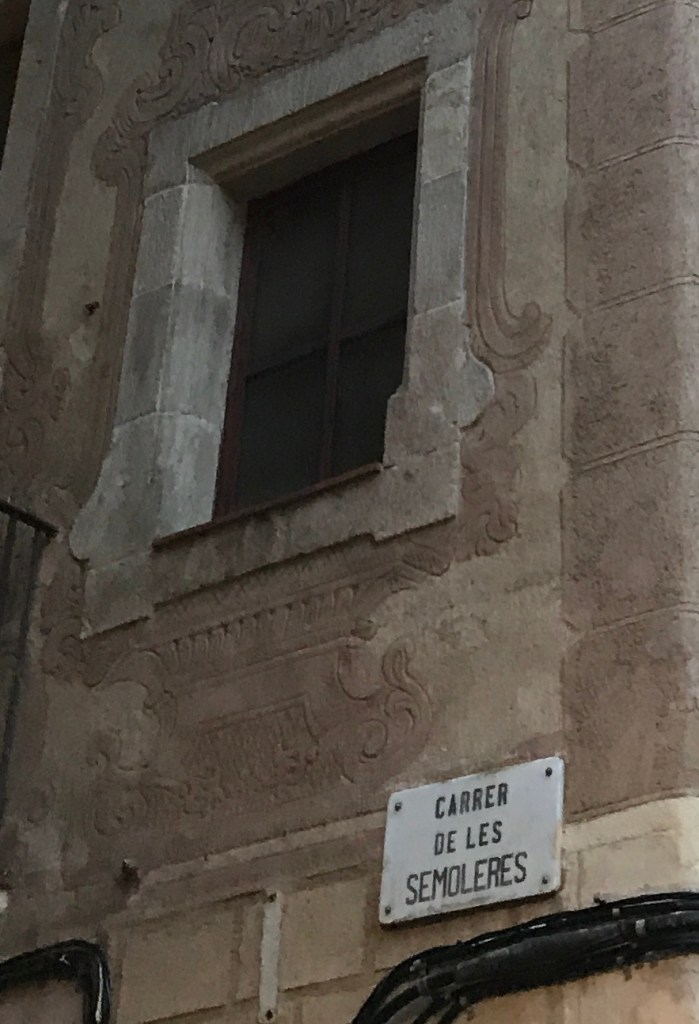
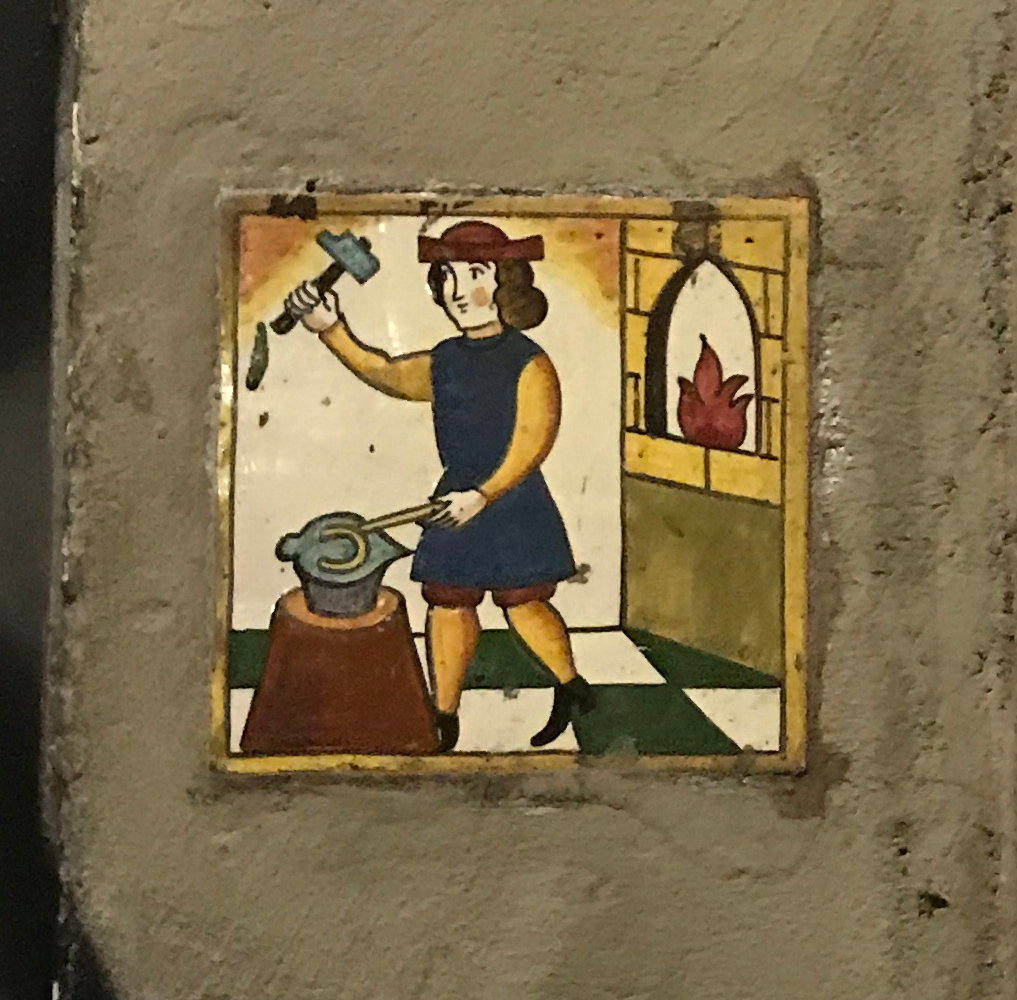
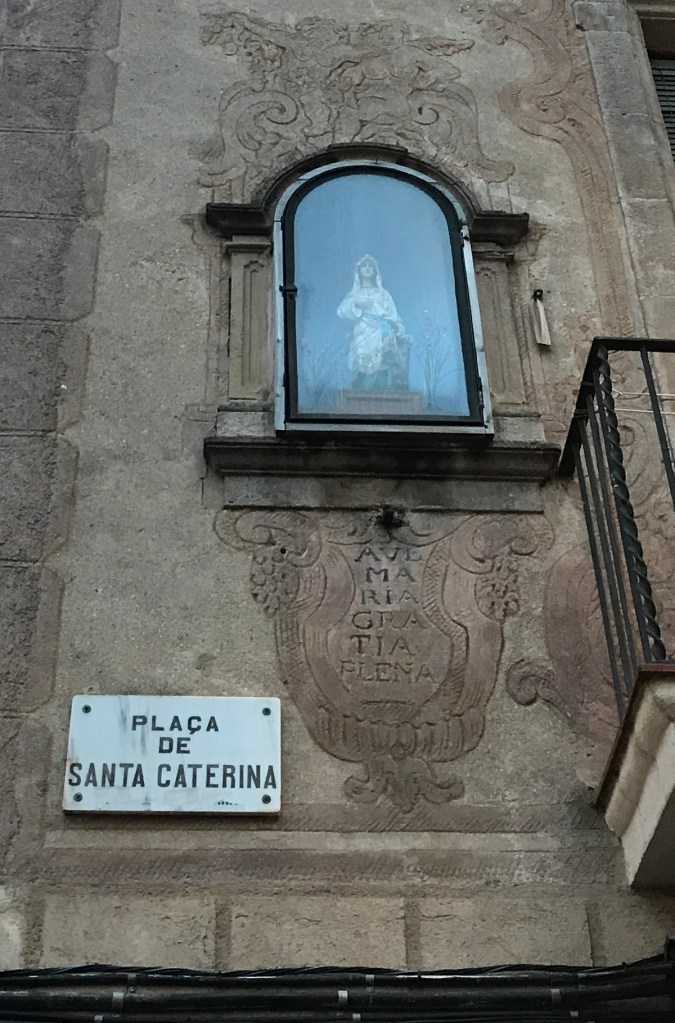
Els Gremis, the guilds, were organizations of artisans and merchants who oversaw their trade or practice. During the medieval era, the guilds were the core of Barcelona’s economics and provided community for the people. The guilds were used to fix prices, provide quality control on goods, and determine the rights of guild workers. Els Gremis aided with organization, in Barcelona, by helping write city laws and offering defense in times of distress. As we walked through the streets of the Ribera Quarter, the legacy of Els Gremis was easy to see as it remained in the present-day street names. Some of the streets we came across were Carrer de Semoleres, Placa de LLana, Carrer de Corders, Carrer de Candeles, and Carrer de Cottoners. Carrer de Semoleres was the guild of the “pasta makers,” and still is lined by bakeries today. Placa de LLana, the street of “woolmakers” played a crucial role during the trade era. The Placa de Llana was were the stock exchange for wool was established. Prices for wool were determined by quantity and demand, and the exchange was a big force in the guilds fixing prices. Carrer de Corders (Rope spinners), Carrer de Candeles (Candle makers), and Carrer de Cottoners (Cotton Weavers) were all guilds focused on craftsmanship and represented the small production of Barcelona before oil arrived. At the front of each of the guilds, there was a dedicated Saint to protect it. We were able to see one of these Saints on the “Placa de Santa Catarina.”
Carrer de Cotoners- “Cotton Weavers”
Carrer De Les Candeles- “Candle Makers”
Carrer de Corders- “Rope Spinners”
Placa De La Llana- “Wool makers”
Carrer De Les Semoleres-“Pasta Makers”
Guild shield
Placa de Santa Caterina
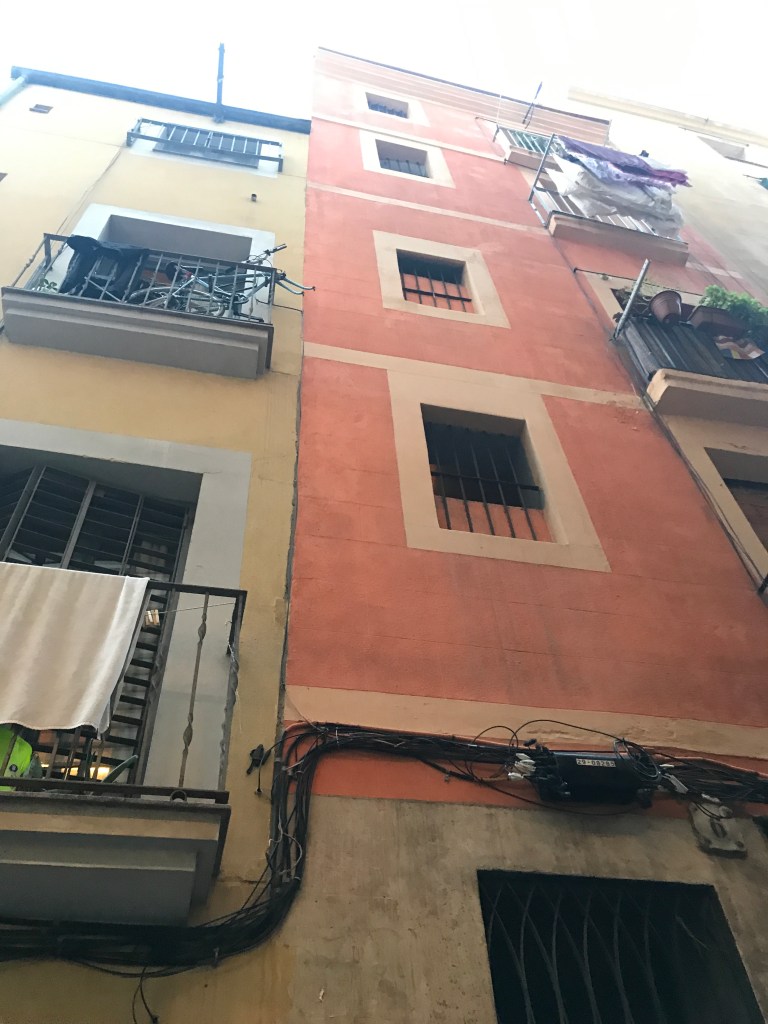
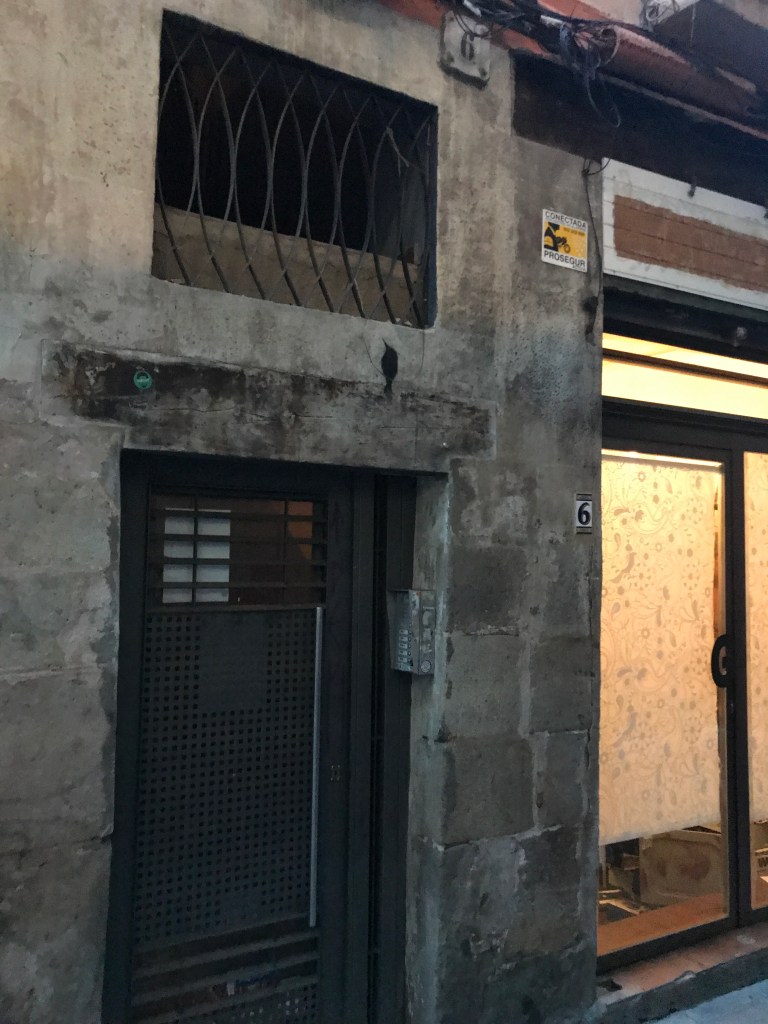
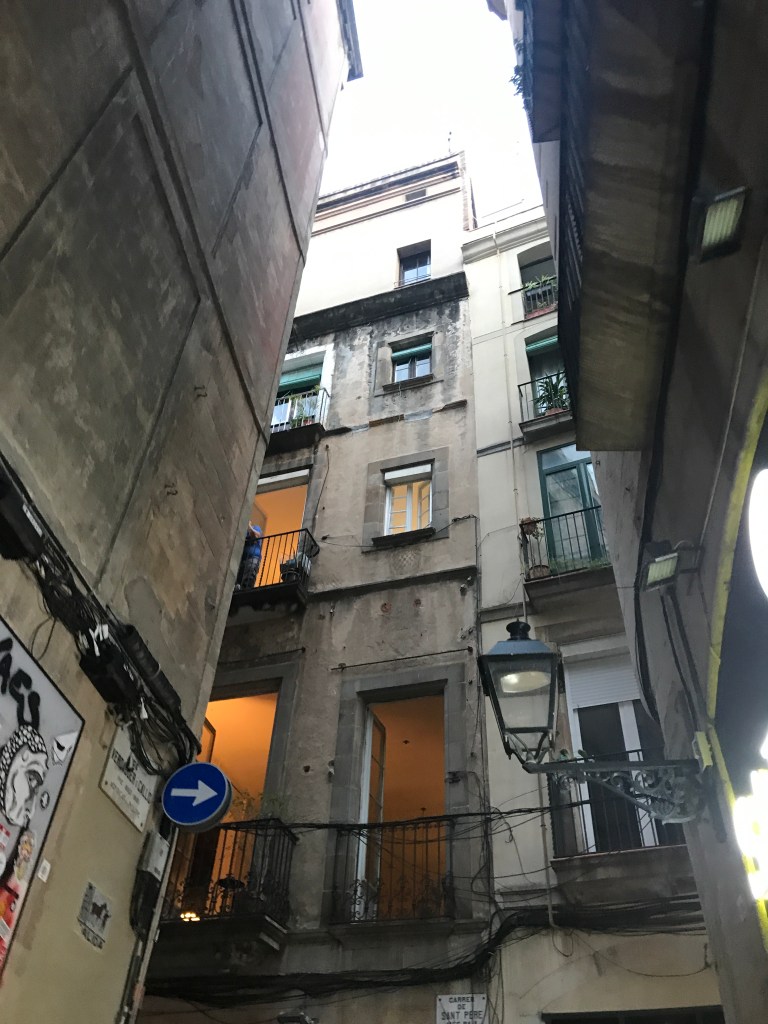
During our tour of the Ribera Quarter, we were surrounded by the typical craftsmanship family house, “La casa-taller.” The space was organized with a small workshop at the bottom of the building with narrow stairs leading to rooms on each floor. Each room had a window, the principal floor having a larger window than all the rest. The principal floor was usually occupied by the workshop owner because of the coveted high ceilings and natural light. The higher floors were occupied by the lower workers of the connected workshop. All of the rooms were small in comparison to modern architecture due to the amount of time spent outdoors. During the medieval times in Barcelona, the workers of the guilds spent most of their time either in the workshops or outside, so they didn’t need large living spaces. The narrow door leading to the rooms led to an even narrower staircase which didn’t allow for movement of large furniture into the building. During the medieval era, hygiene was not as protected as it was during the Roman period. The occupants of the upper rooms in La casa-taller would urinate in small containers and toss it out their windows. Because of the of hygienic practices, it was customary for women to walk closer to the buildings than men to avoid the “splash-zone”. These “La casa-taller” buildings have survived two earthquakes and are still occupied by many people today.
Casa Taller’s Windows
Narrow Doorframe
Casa Taller with workshop at the base
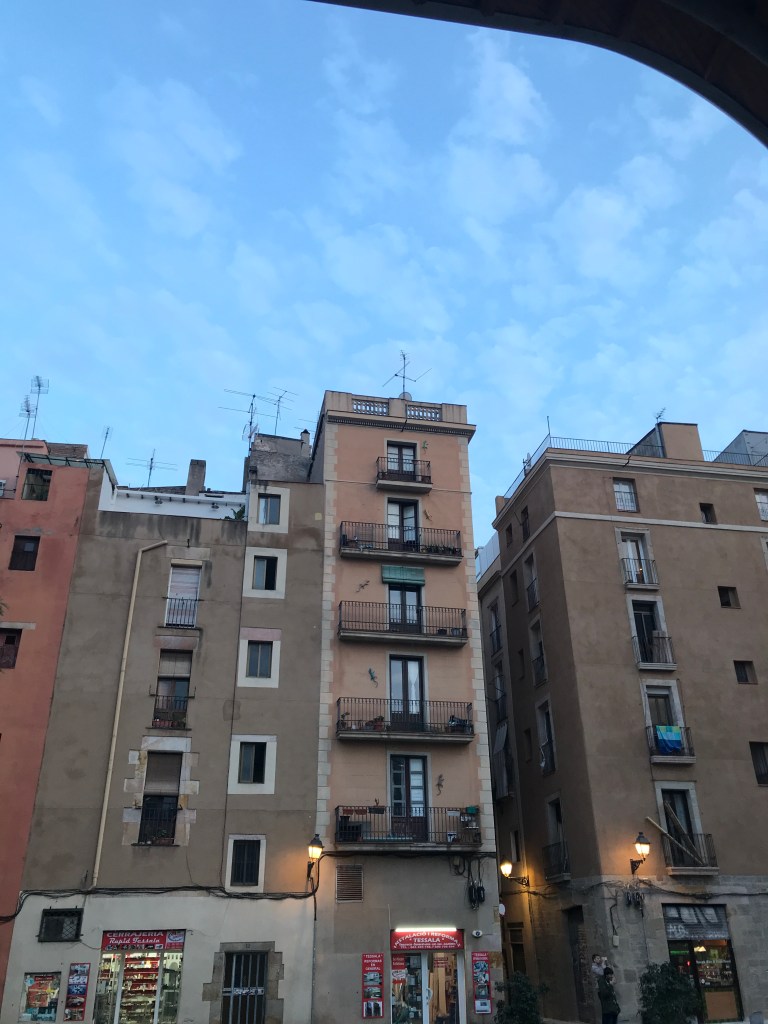
The two biggest differences in architectural aspects of craftsmanship buildings and industrial production buildings are the production materials used and the spacing of the buildings. The craftsmanship buildings were constructed with sturdy materials such as stone and wood whereas the industrial buildings were constructed with glass, cast iron, and steel. Industrial buildings were built much quicker because they utilized the mass-produced materials that came about during the industrial revolution. As a result, it is easy to differentiate the eras of construction as you look at the different buildings in el Born. There is also a large difference in spacing between the two types of buildings. The craftsmanship buildings were built on very narrow streets while the Industrial ones were built on much wider ones. The industrial buildings stick out amongst the traditional Catalan architecture and many locals dislike that they were built amongst the craftsmanship buildings.
Industrial building in Ribera Quarter
Craftsmanship building in Ribera Quarter
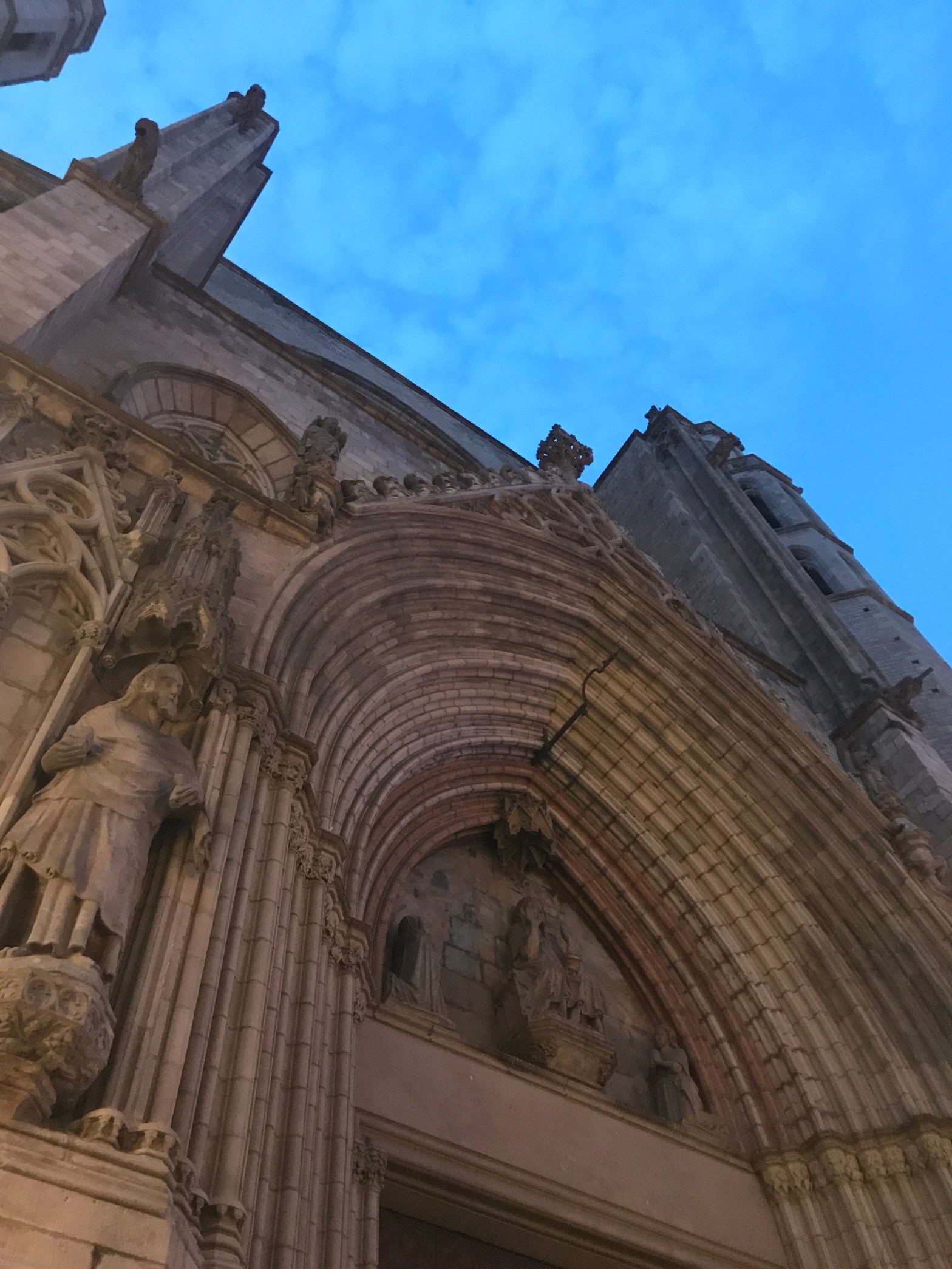
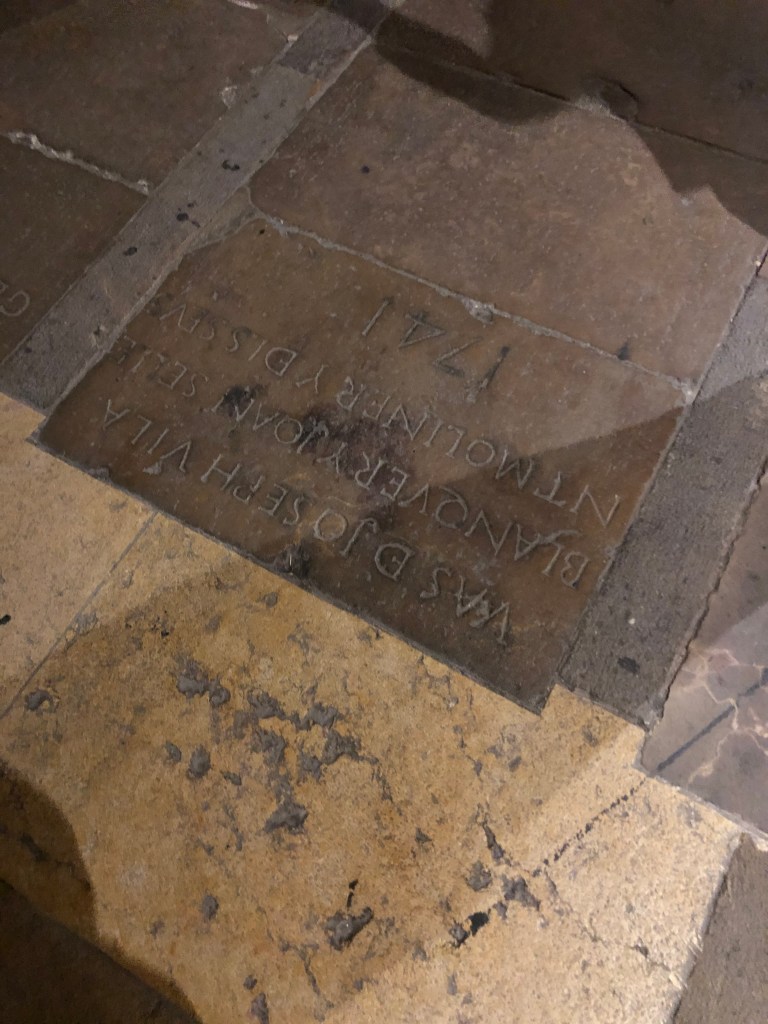
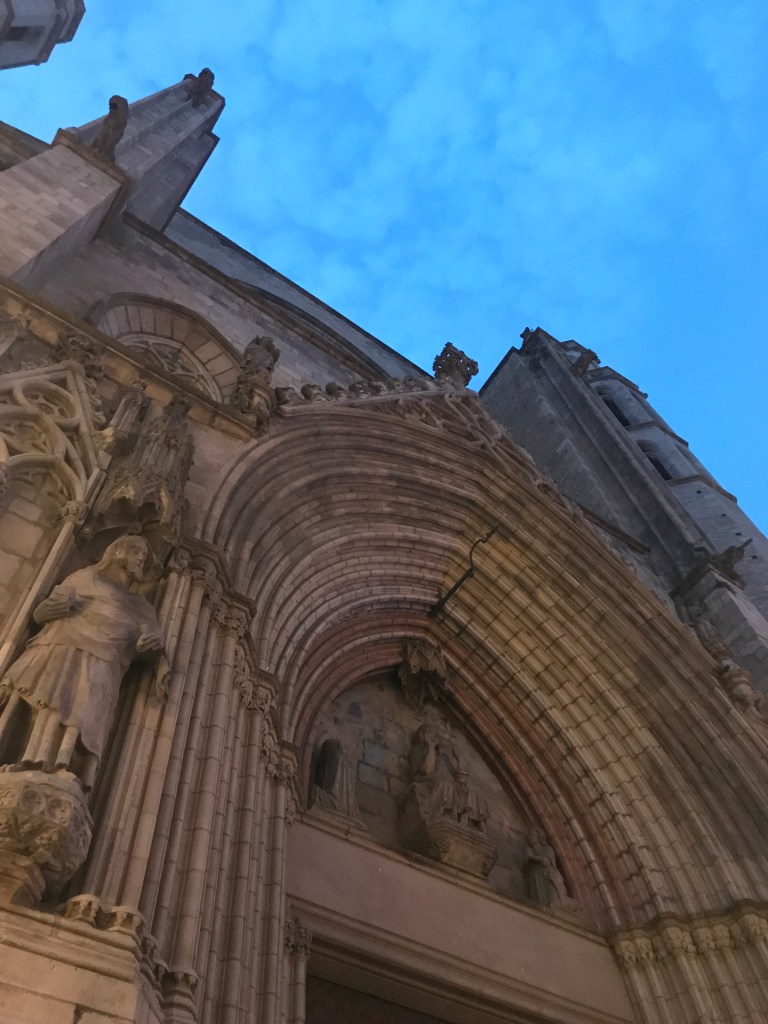
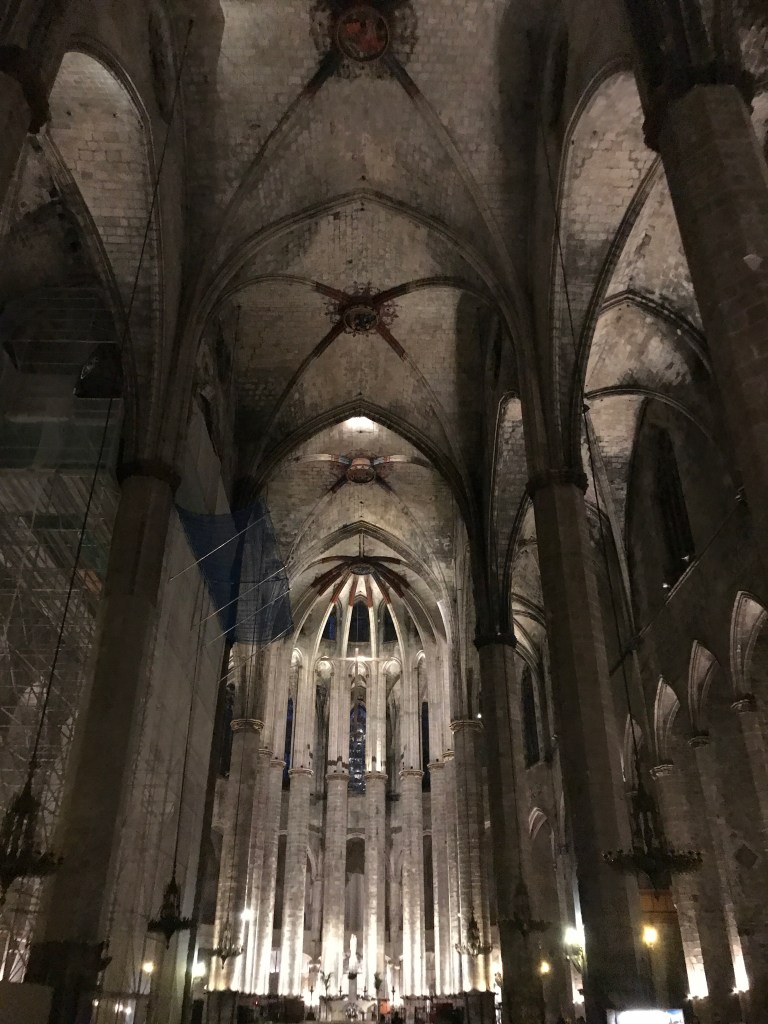
The Santa María del Mar is a church in the Ribera quarter that was built between 1329 and 1383. The church was built over a burial site that dates back to the 1st century A.D, as well as the original church, Santa Maria de les Arenes. The church is a rare example of pure Catalan Gothic architecture because of its simple design and lack of adornment. The Santa María del Mar took 55 years to build and held the reputation of a popular church. It was made for workers, by workers in contrast to the Barcelona Cathedral that was paid for by the King. Constant political and social turmoil led to multiple destructions of the basilica over the years. The most devastating destruction was when the basilica was burned for 11 days straight in 1936, during the Spanish Civil War. The effects of the fire can still be seen on the inside of the basilica where the ceilings are charred. The Basilica was a focal point amongst the guilds and was an important part of Catalan culture because of the people’s personal connection to it. Normal Catalan people get married in Santa Maria del Mar and can be buried inside. We saw multiple tombs of Catalan people, who worked on the Santa Maria del Mar, inside of the basilica. Our visit to the Santa María del Mar was my favorite part of the Ribera Quarter tour. I appreciated the peacefulness and simplicity of the Basilica in contrast to the business of Barcelona.
Santa Maria worker’s tomb
Outside of Santa Maria del Mar
Inside of Santa Maria del Mar
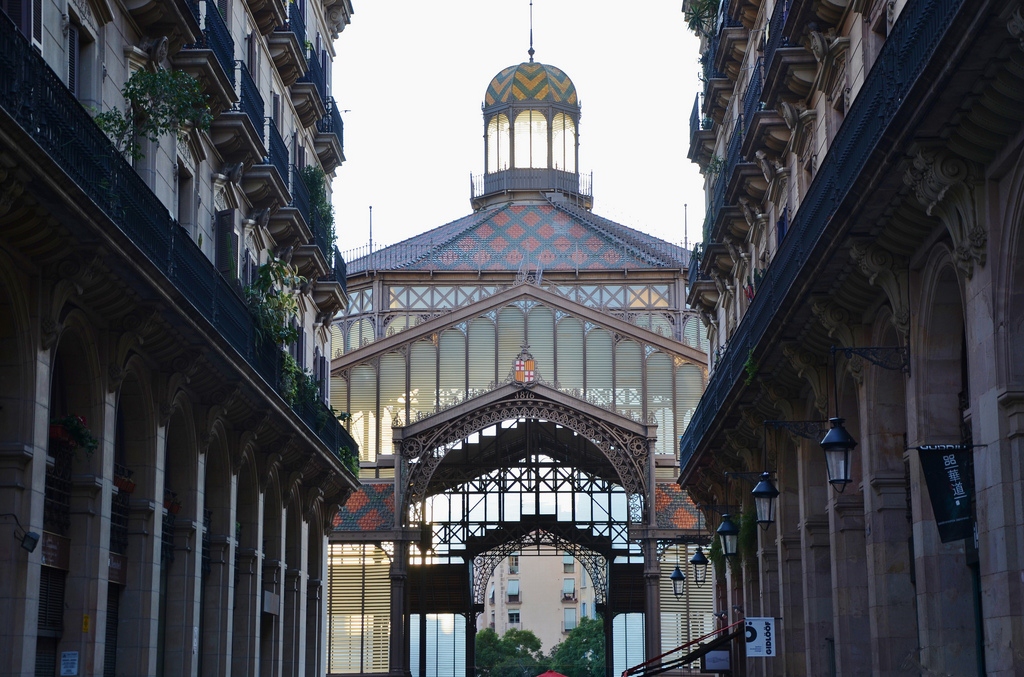
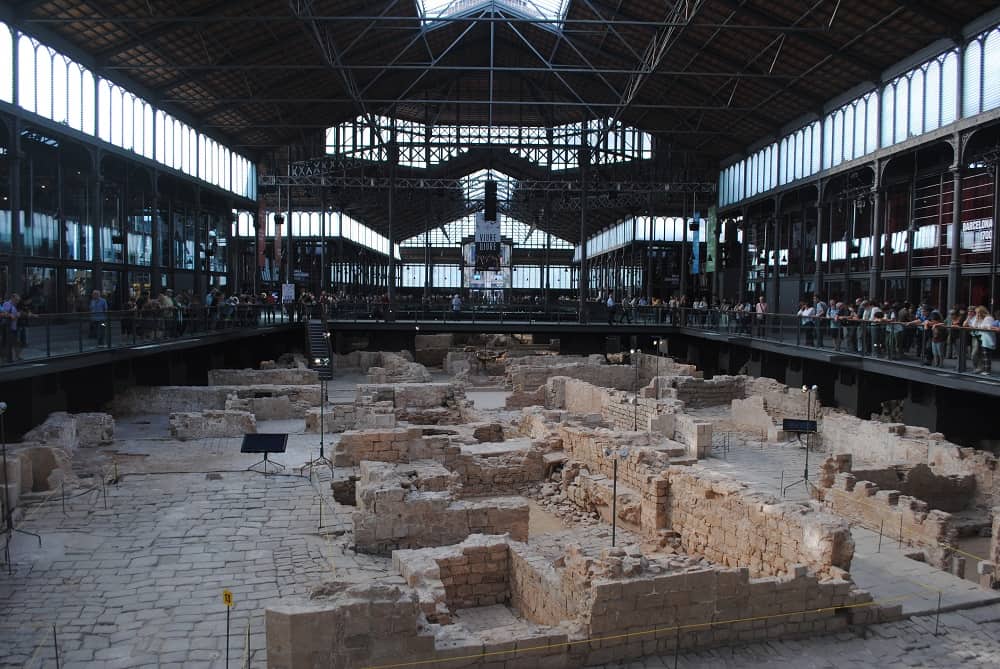
El Mercat del Born was the city’s main market until the 1970s and was built between 1874 and 1876. The market is considered to be the first structure made of iron and glass and is the largest covered square in all of Europe. The construction of this market marked the start of Modernism in Catalan architecture. The ruins of La Ribera neighborhood, after the devastation of the Siege of Barcelona, can be found at Mercat del Born. The market is now home to the Born centre cultural building where you can see the impressive remains of the Ribera streets and houses.
El Mercat del Born
Ruins of La Ribera neighborhood
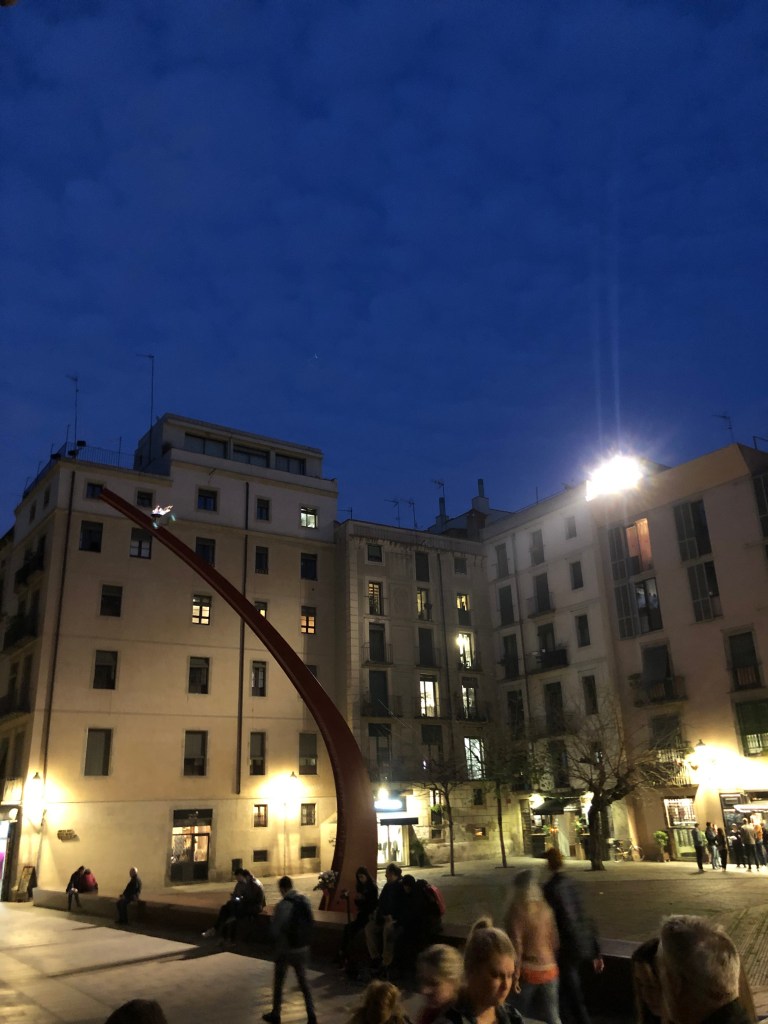
El Fossà de les Moreres is the site of a graveyard for the fallen during the Siege of Barcelona in 1714. Now the site is covered by a monument to serve as a reminder of the fallen troops. September 11th is the National Day of Catalonia, La Diada. On this day in 1714, Barcelona surrendered to the Bourbons and began a period of repression for the Catalans. The burial site, adjacent to Santa Maria del Mar, is now covered by red brick to represent the blood spilled by the fallen. The monument was built, topped by a cauldron with an eternal flame to represent eternal tribute. This monument is a homage to Catalans. At FC Barcelona games, this is held true as fans chant for independence at 17:14.
Monument at El Fossà de les Moreres
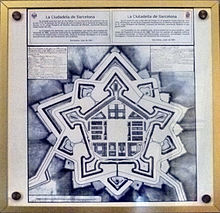
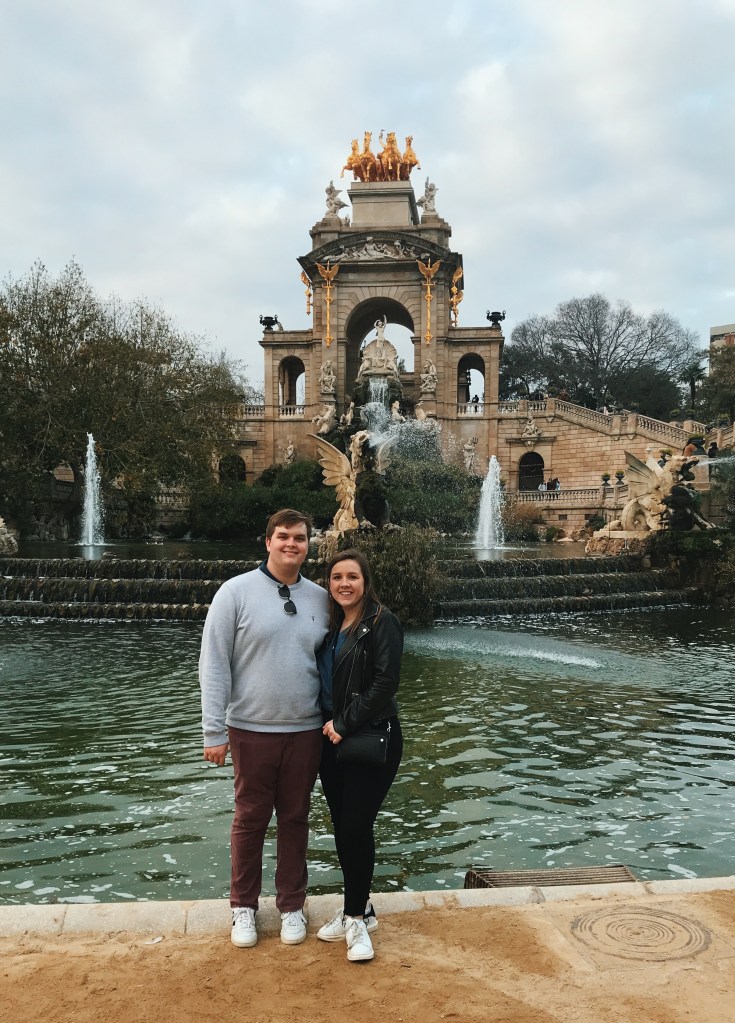
La Ciutadella Park was built buy Phillip V in order to maintain control over Barcelona after it fell in 1714. At the time, the Citadel was the largest fortress in Europe and required destruction of a substantial part of the Ribera district to have space to build. This destruction left many Catalans homeless. Hundreds of Catalans were forced to help build the fortress creating a long standing resentment towards the Citadel. Today, La Ciutudella Parc is a public park that includes the city zoo, Palau de Parlement de Catalyunya, museums, a pond, and a fountain for everyone to enjoy. I visited this park on my second day in Barcelona and have returned multiple times. It has been very interesting being able to learn the history behind what my first perception of the park.
Map of Ciutudella Parc Military Compund
Fountain at Ciutudella Parc
Shortly after the War of Spanish Succession, Philip V abolished all Catalan public rights and Catalan institutions via the decree known as the Decret de Nova Planta. Despite the fall of Catalunya to Phillip V during the siege of Barcelona, September 11th remains the National Day of Cataluyna. The decree of Nova planta suppressed the Catalan charter, forcing Catalans to follow the laws of the Spanish crown. These changes to Cataluyna left their mark on the region as many people still have an issue with the loss of autonomy today.
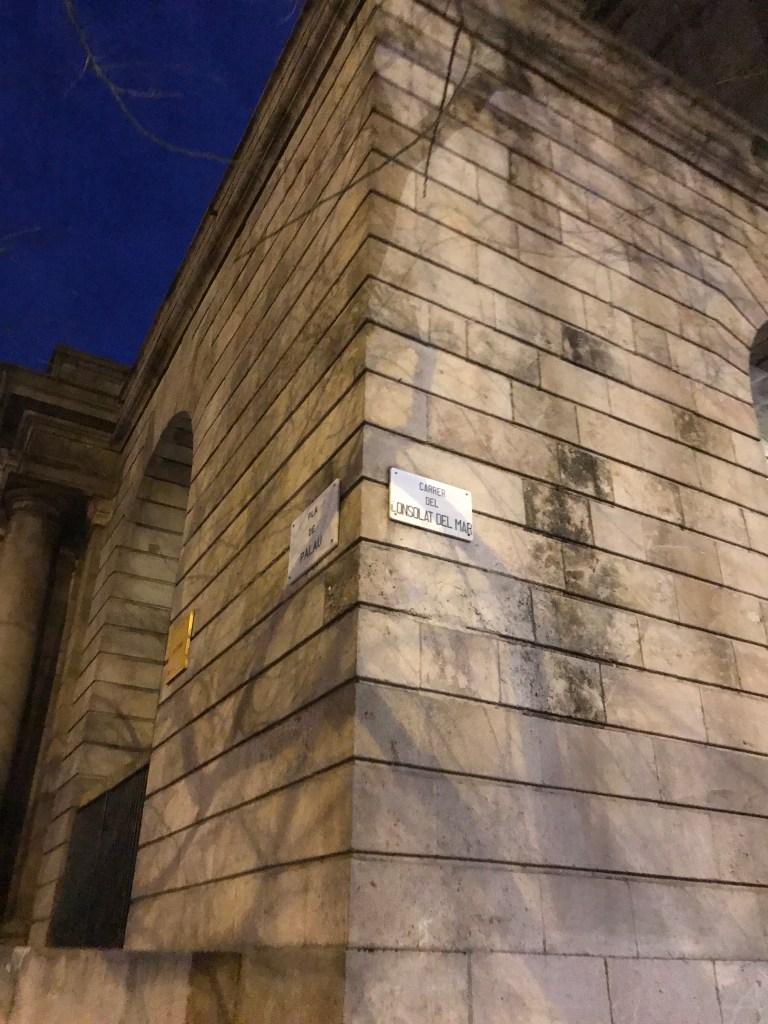
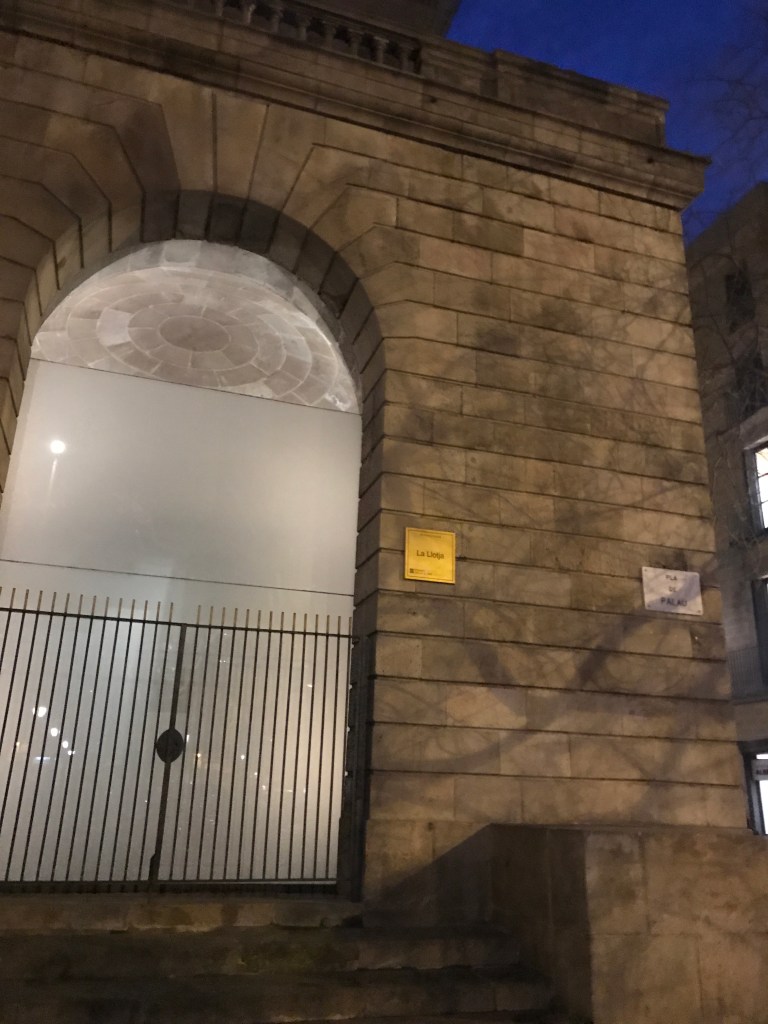
The Consolat de Mar was a quasi-judicial body set up in the Crown of Aragon to administer maritime and commercial law like regulating the prices of incoming goods. The Consolat de Mar held seats in La LLotja during its time. La Llotja, originally was a seaside exchange market built by Pere Llobetin the 1350’s. It faced the water during that time because that is where most business came from. It was flooded and rebuilt in between 1380-1392. During the 19th century it was home to the School of fine arts and Picasso studied there during 1895-1897. All of its purposes are linked to trade and seafaring life. Currently it serves as the corporate headquarters of the Barcelona Chamber of Commerce and hosts events such as presentations, lunches and galas. Now it is a free standing Neo-classical shell built in 1802 with a single big arcaded room, with a flat beamed ceiling and a viewer’s gallery at half height, the roof carried on three double bays of diaphragm arches that spring from pipe cluster gothic pillars. The contract room is the oldest continuously operating stock exchange in Europe.
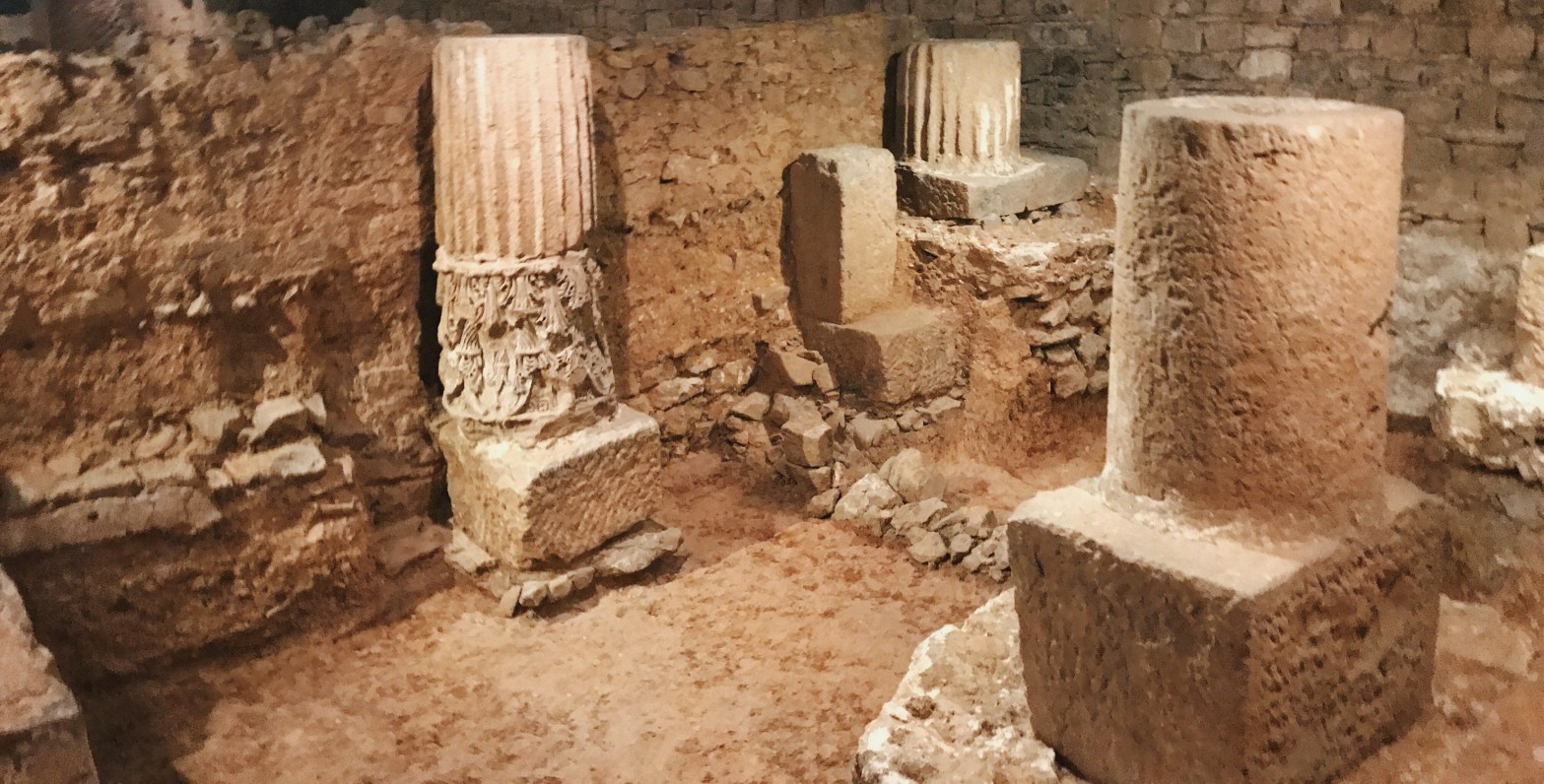
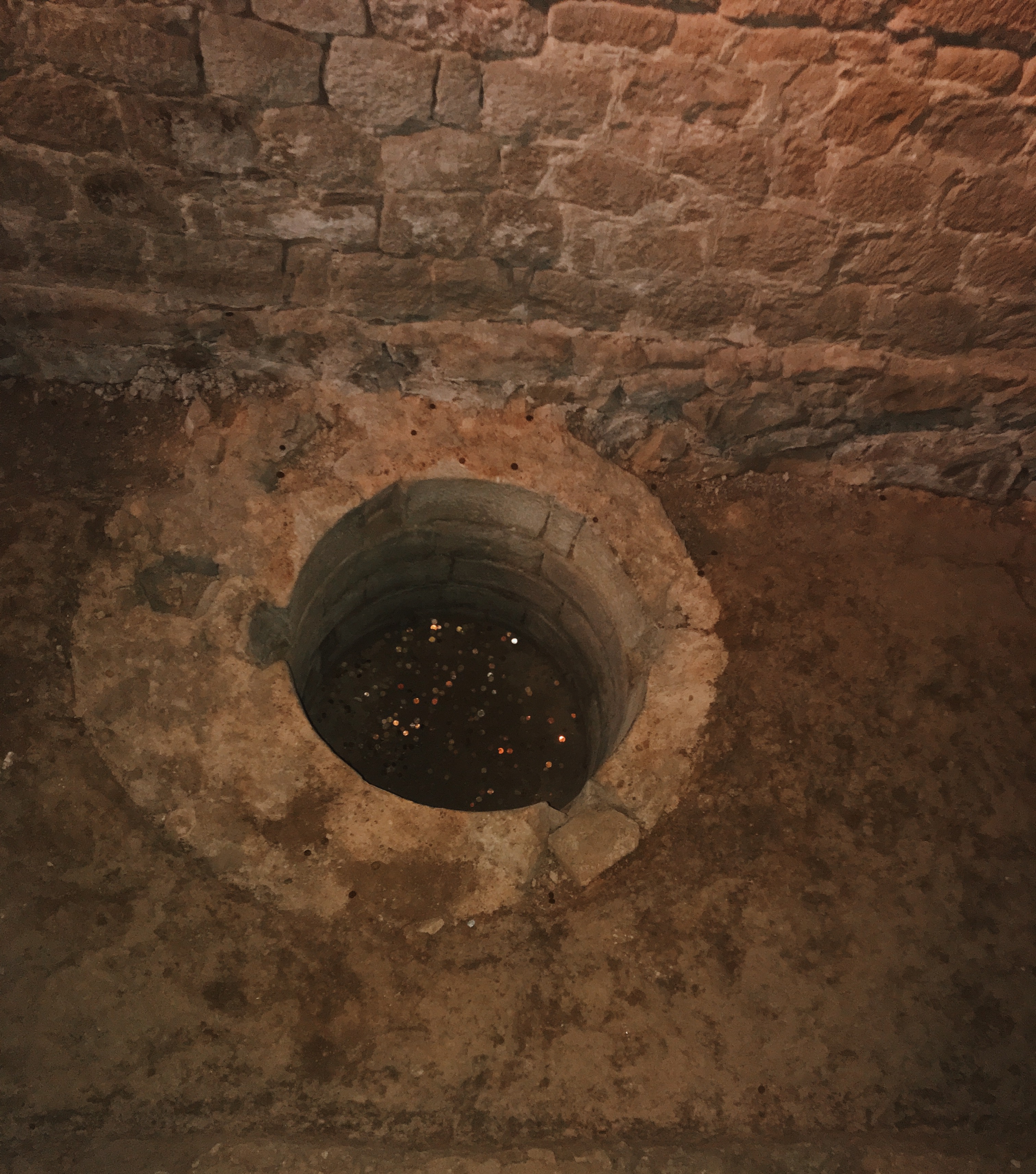
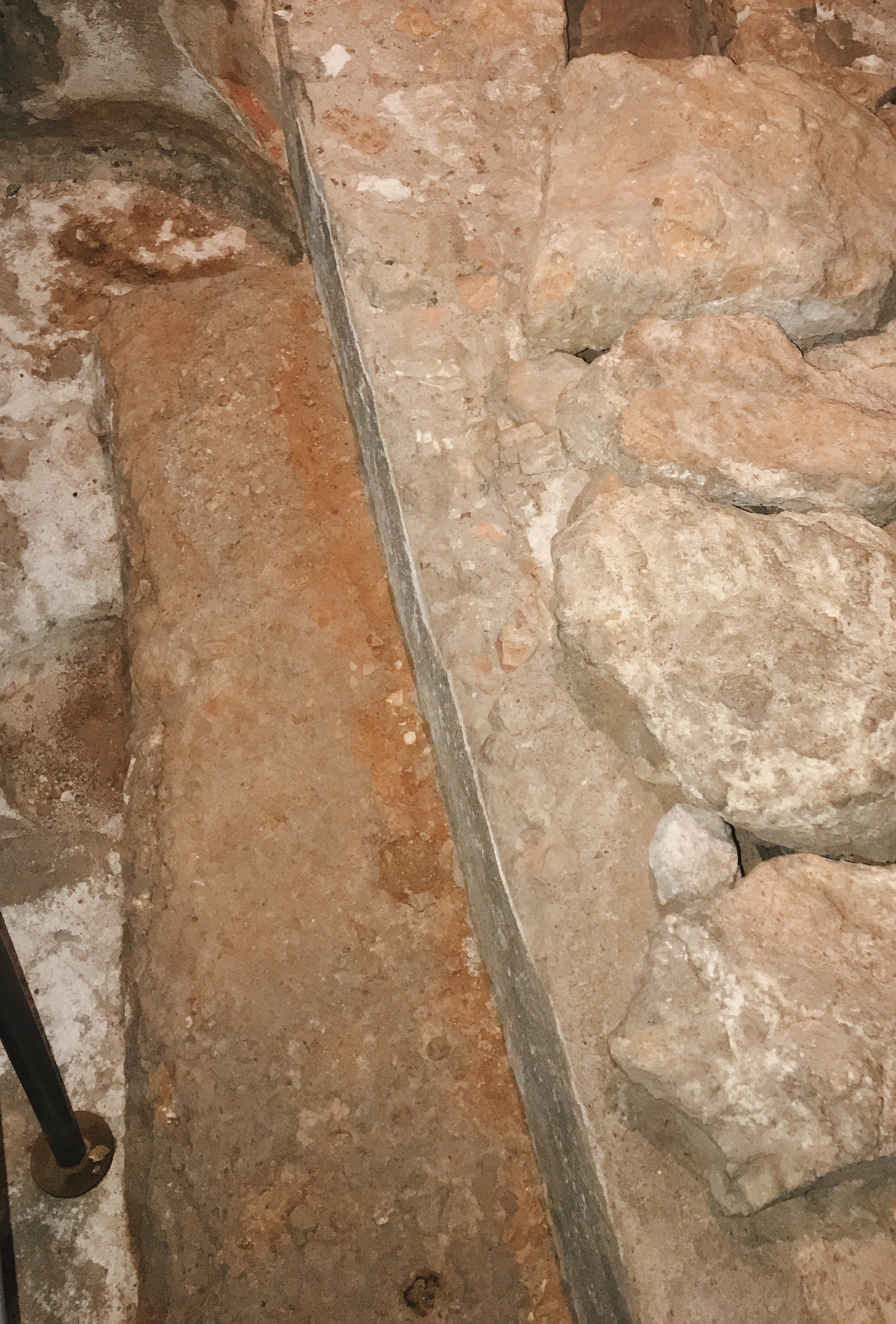
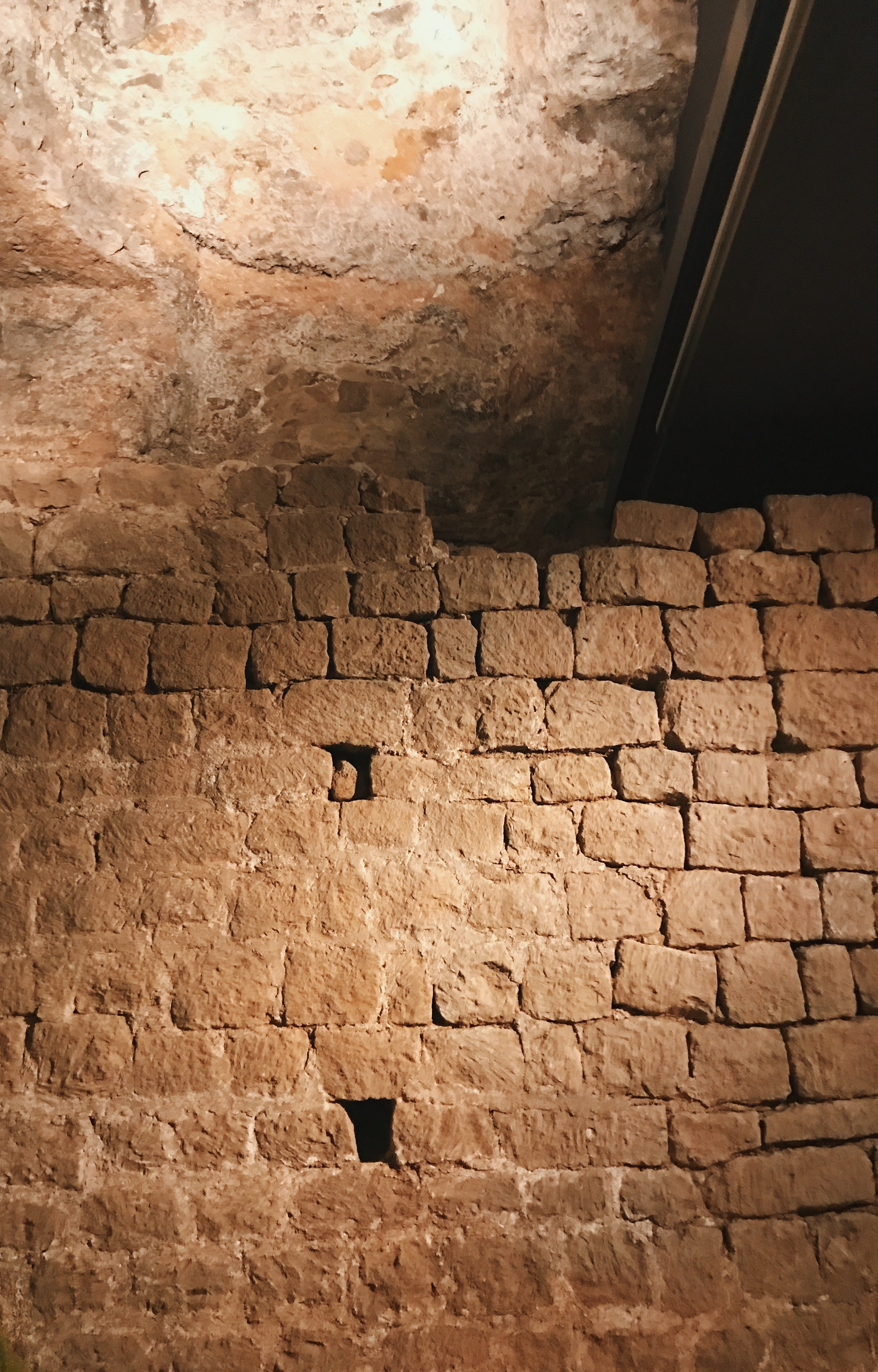
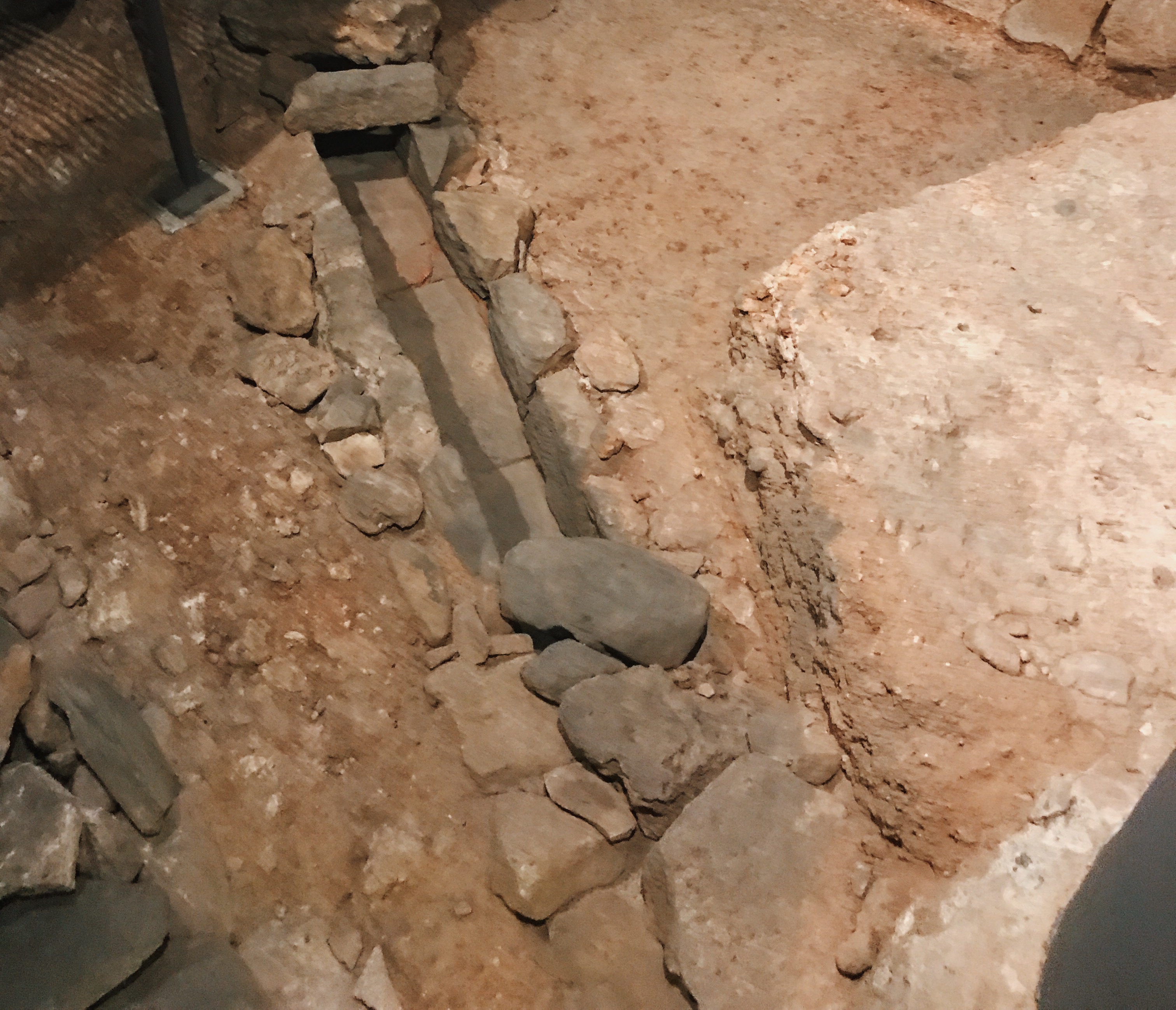
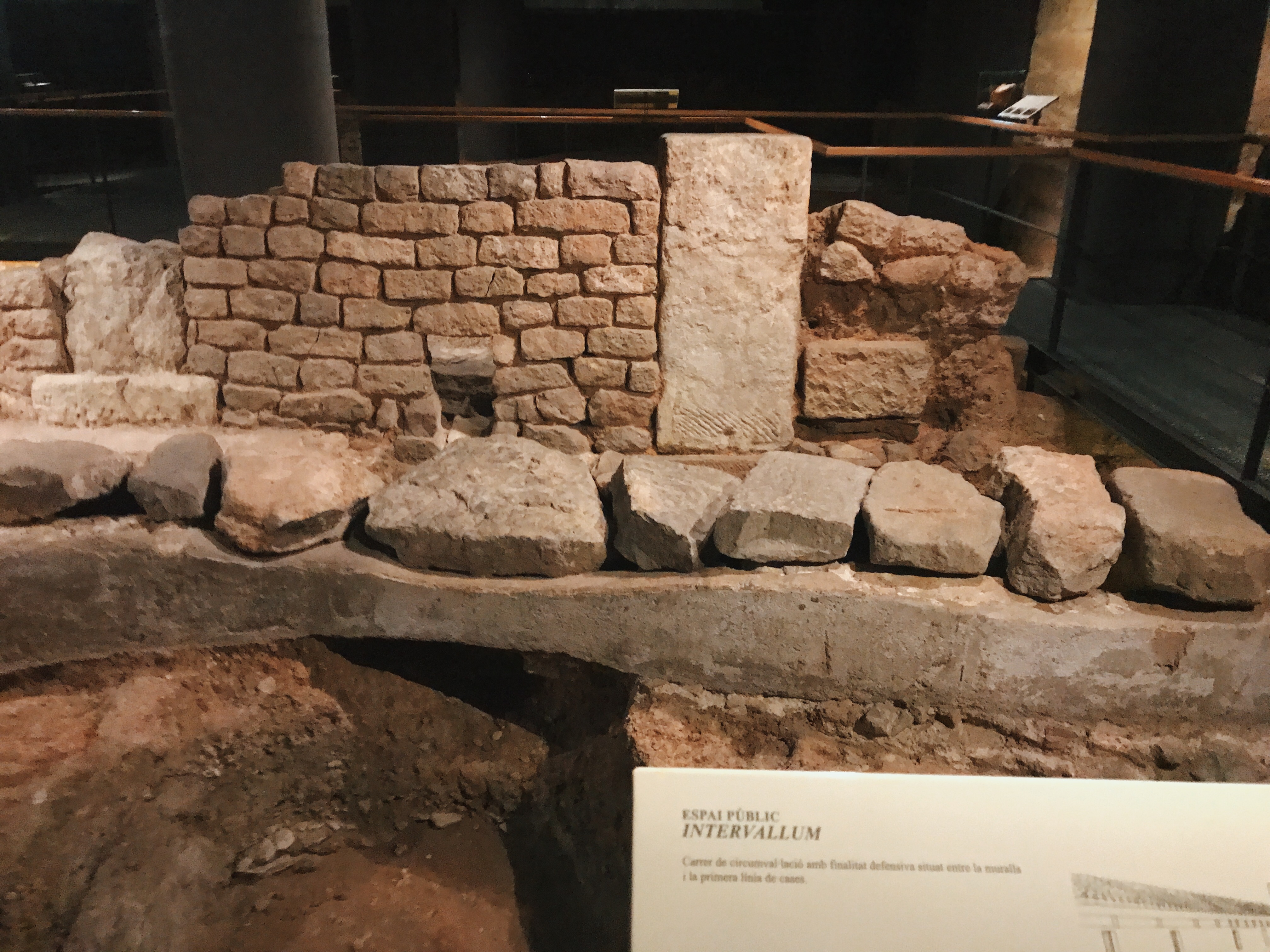
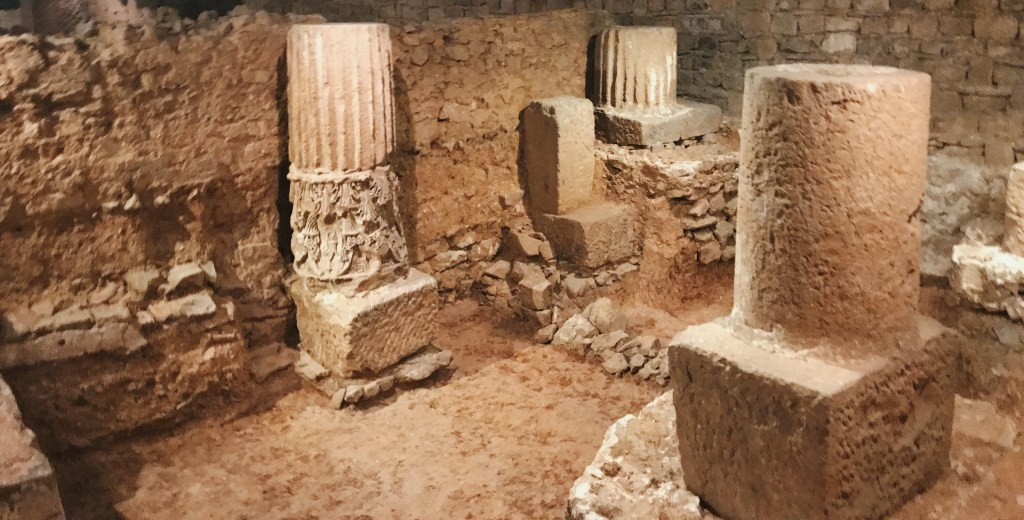
As we toured the Roman ruins, we came across many engineering feats that have influenced Catalan architecture today. The Roman city was enclosed by large walls and towers in order to protect the inhabitants. The only wall that can be seen today remains inside the museum, but there are many others that have been incorporated into current Catalan buildings. In contrast, Cataluyna today doesn’t have a wall separating itself due to large population growth and little necessity for protection. The sewer system and public baths seen in the Roman remains displayed the public Roman water system and how it was accessible to all. After the dark ages, water became privatized and remains that way in Cataluyna today. Although the sewage systems are not public like they were in the Roman city, they still use a lot of the structure and systematic ideas from that time. A lot of Cataluynan roads are still in the same locations as the Romans placed them. The Romans created the intervallum, the main inside road, that allowed the Roman guards to protect the city. This concept of main roads is now used in Catalunya to aid easy transportation.
Roman well with public water
Roman sewer system
The last Roman wall that can be seen in the Museum
Sewer system
Intervallum
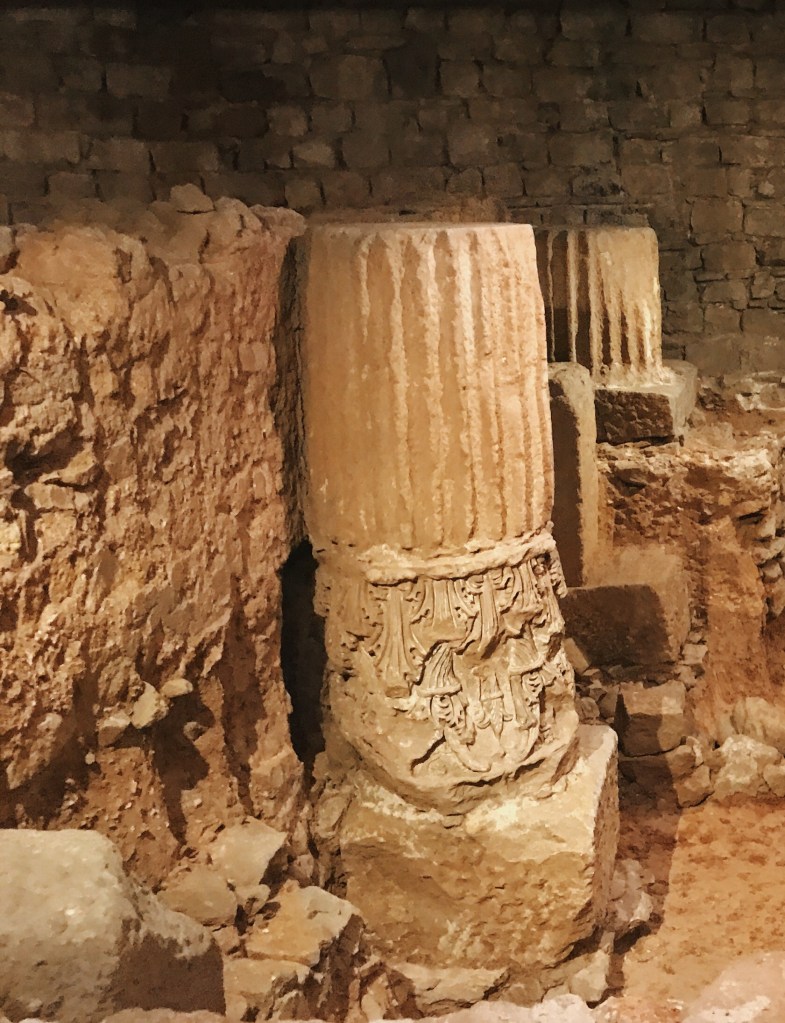
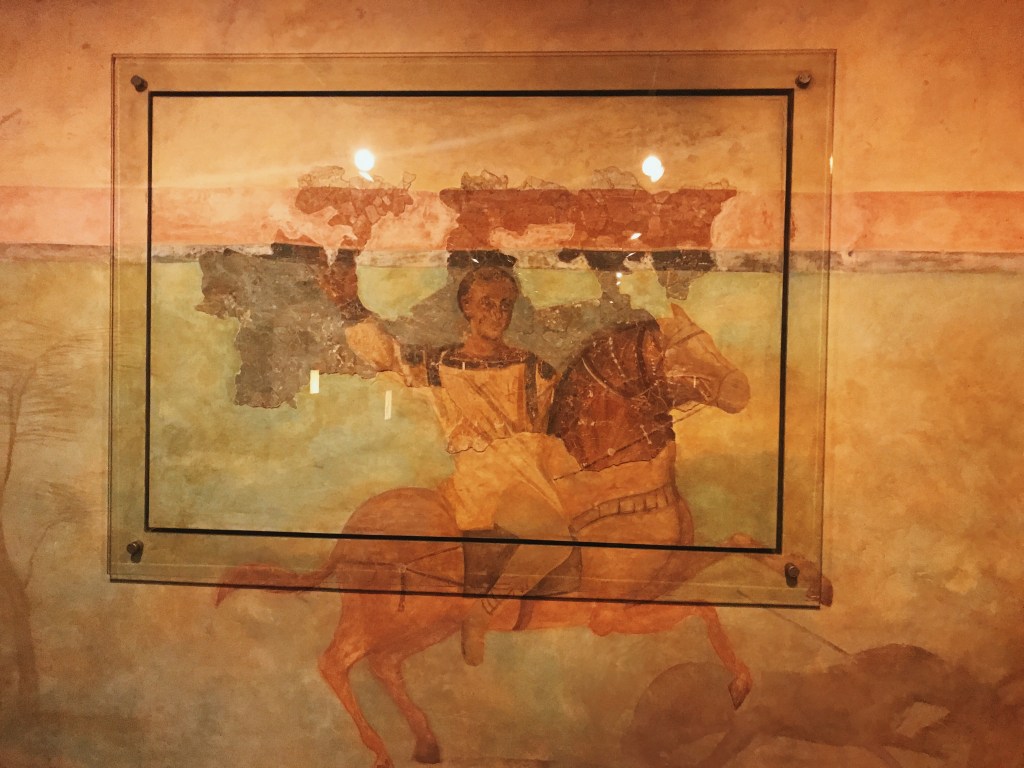
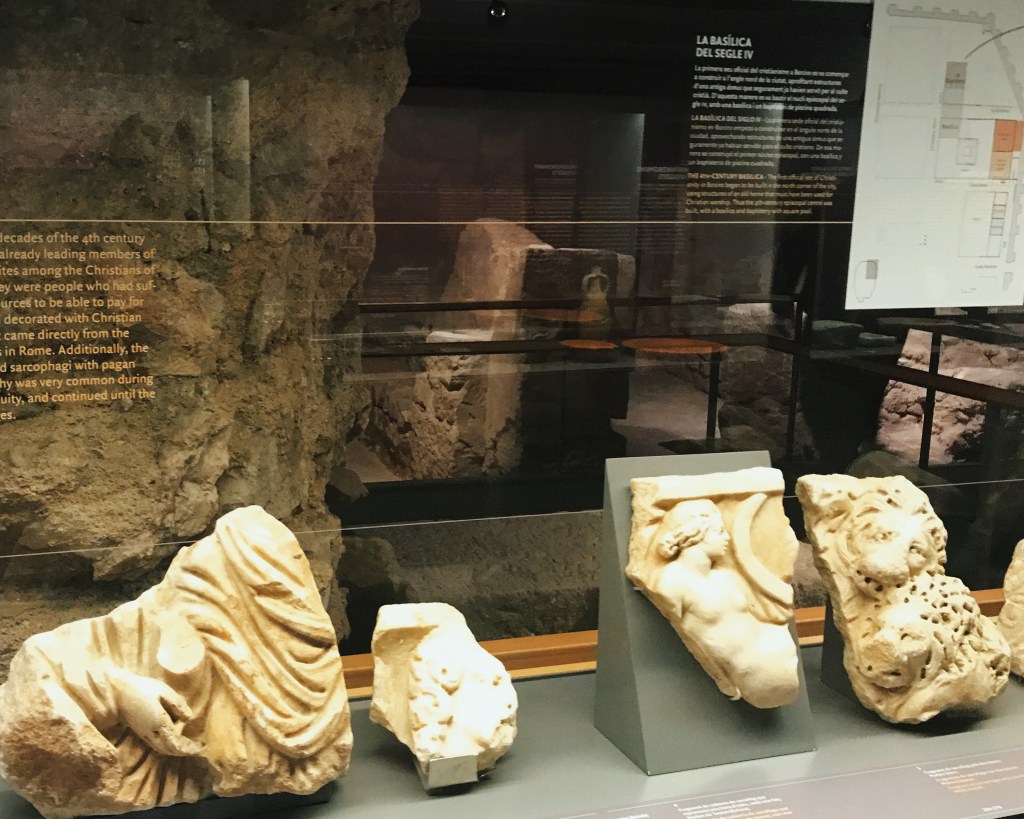
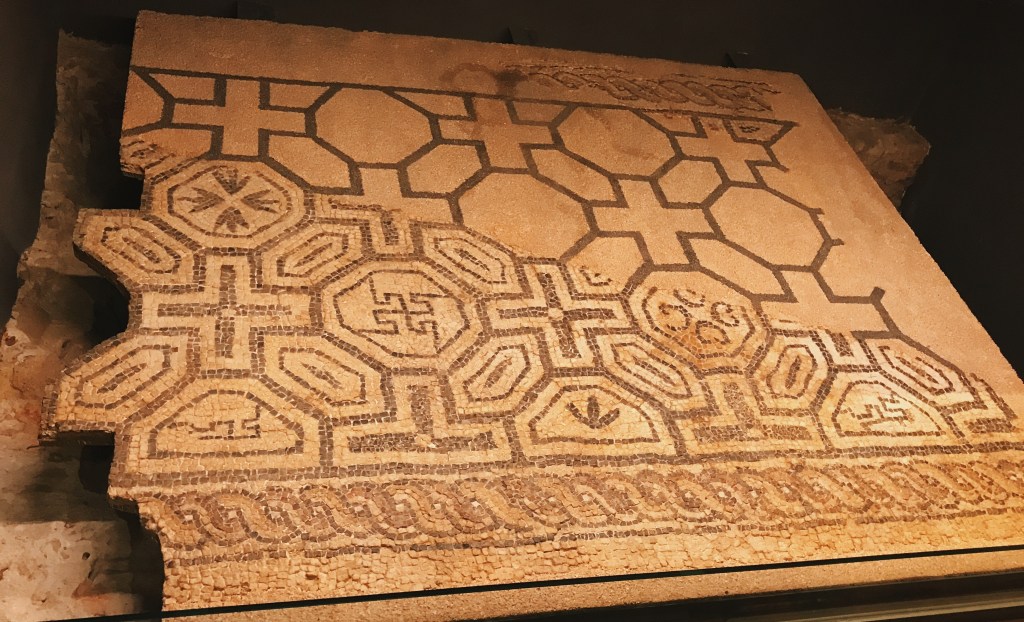
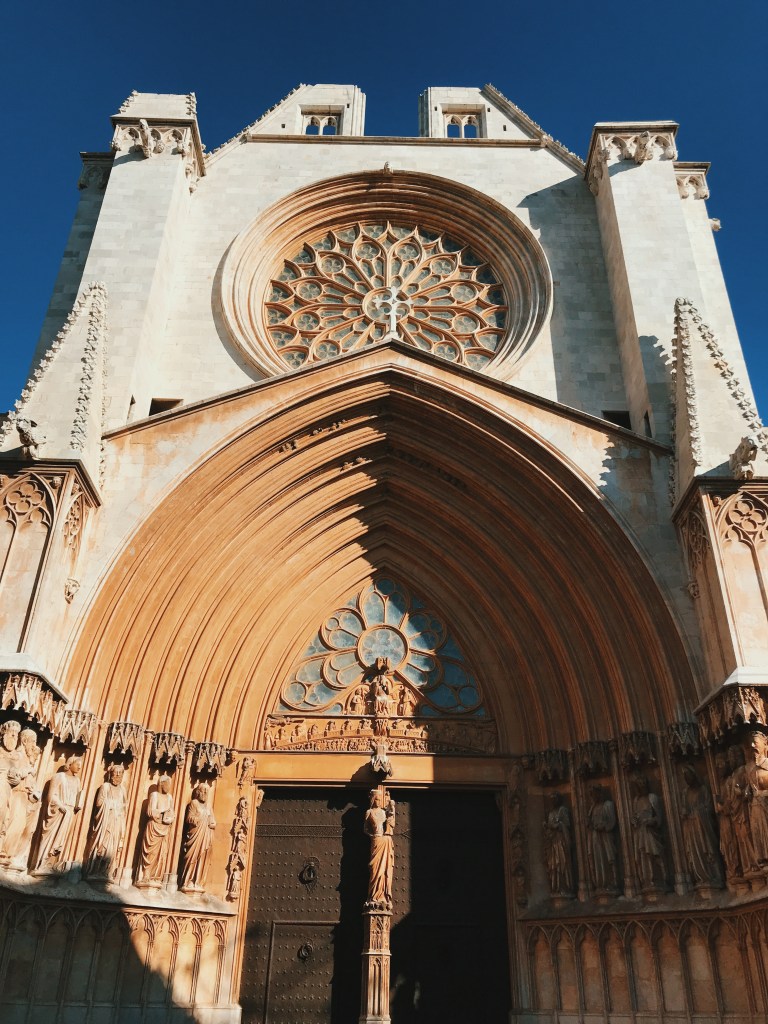
During the Roman Empire, the official religion switched from Polytheism to Monotheism. This change happened gradually as it was difficult for people to switch their beliefs overnight. Due to this difficulty, many people kept practicing their religious traditions but would alter the practice to support the new monotheistic beliefs. An example of this was when Cathedrals were built on top of Roman temples, like the Tarragona Cathedral. The change in religion also caused a major shift due to the underlying values of the monotheistic religion. Christianity had more rigid rules and morals which greatly impacted how the Roman city was operated. During our tour, our guide didn’t point out any religious artifacts, but I was able to see the polytheistic influence on many of the columns and carvings. There were also multiple mosaics that depicted the Roman’s view of gods before the switch to monotheism.
Roman carvings in columns
Mosaic depicting a god
Pieces of Roman carvings of gods
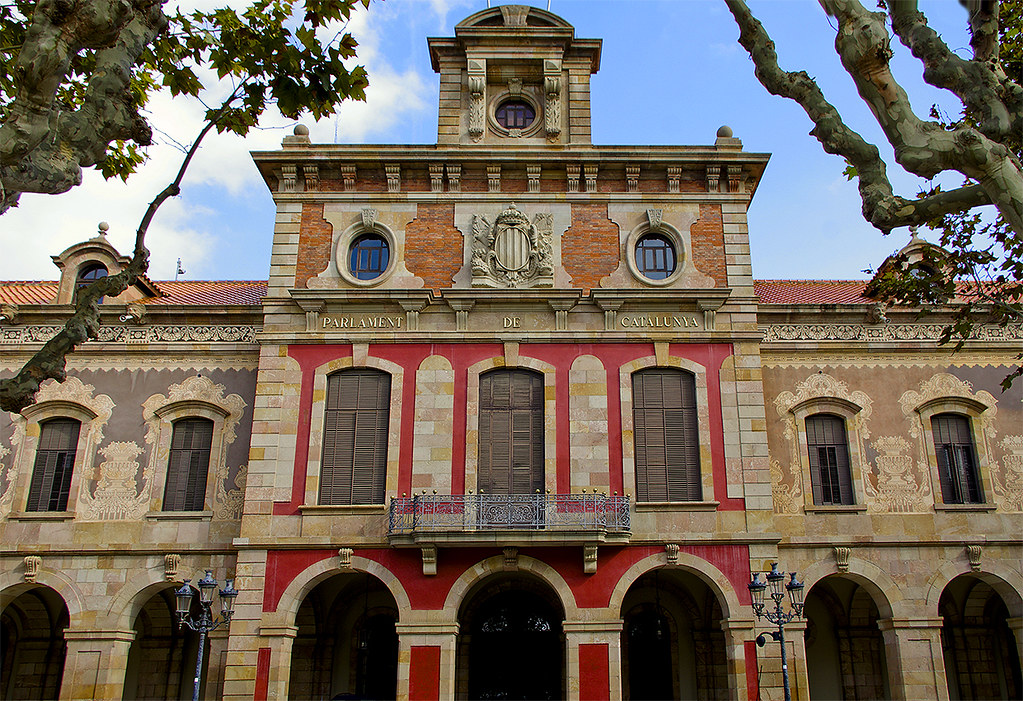
Roman architecture has proved its longevity, as it is still prevalent in Cataluyna and all over the world today. In Cataluyna, there are remains of walls and infrastructure underneath the walls of many Cataluynan buildings. Not only can it be found underneath but also on the façade of buildings erected long after the Roman Empire. For example, Roman influences such as curved archways can be seen in the Parliament building of Cataluyna. Outside of Spain, Roman influences can be seen all the way in Washington, D.C. Roman architecture became a symbol of power and strength and is continually being used in government buildings today. The United States Congress Building uses the wide columns of the Romans to emulate power and strength.
Catalunya Parliament building
Roman columns
United States Congress building
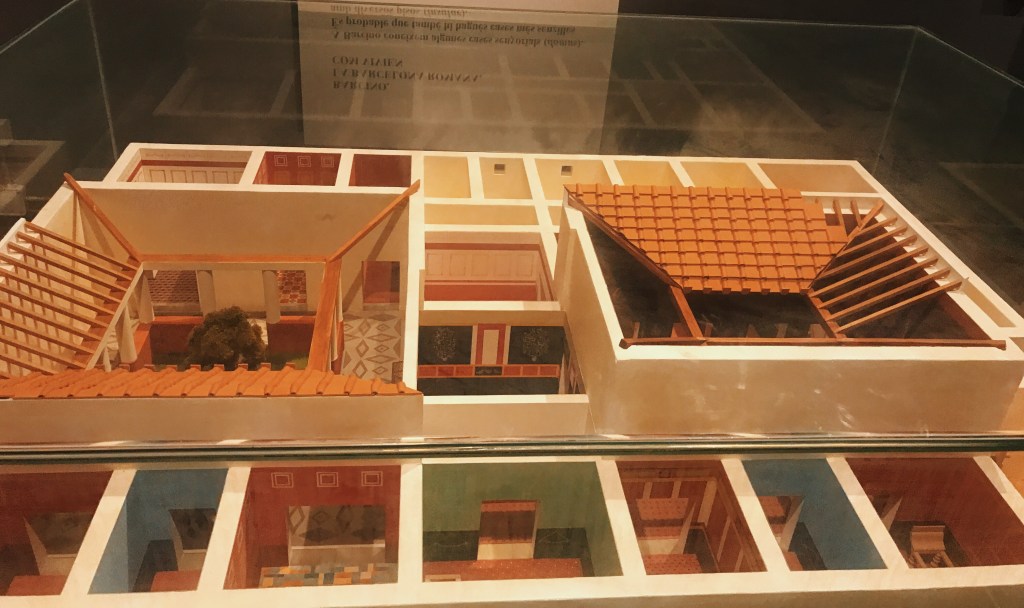
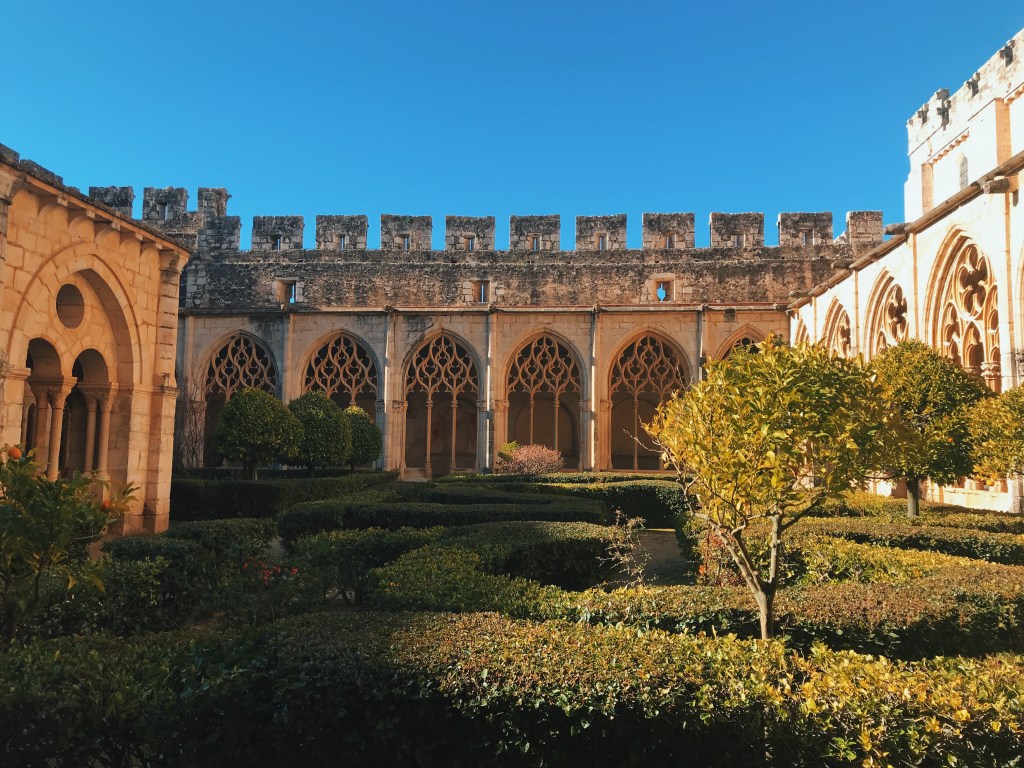
While walking through the museum, we came upon a model home of a typical Roman house, or a Domus. Looking through the model home, it was clear to see the home was built for Patricians due to its lavish decorations and atrium-centric layout. The Culina, the Roman kitchen, was attended to by slaves and was usually very small and dark. The Peristylum was an open courtyard within the walls of the Domus. This courtyard was typically surrounded by a covered walkway with pillars. As our tour guide described the features of the Peristylum, I was reminded of the very similar courtyards I had seen on my trip to the Monastery of Santa Maria de Santes Creus. As previously mentioned, the Domus was centered around two atriums. The atriums were filled with Mosaics and had an ipluvium, a shallow pool to catch rain water. Our tour guide spoke of the importance of atriums for the patritions to show their power and welcome guests as they arrived. The Triclinium was a formal living/dining room with three couches around a center table. The pater familias was the oldest male in the household, and the Tablinium served as his office. Only males were allowed to enter this “table” room, and business was usually conducted there. The tablinium reminded me of my father’s office in my home because of the grandeur and centricity of the room. The cubiculas were small but beautifully decorated, in contrast to the slave quarters with no decorations. The cubiculas seen in the Dumos were the most interesting to me because there were no windows to the outside. The only two windows in the entire house were located in the slave cubiculas. Our tour guide explained the lack of windows as a sign of social status so only the partitions who entered, not the suburbiums, could see the inside. This was surprising to me because large windows in United States’ homes are coveted because people want others to see in.
Roman Mosaic
Domus Model
Arches of Santes Cruese
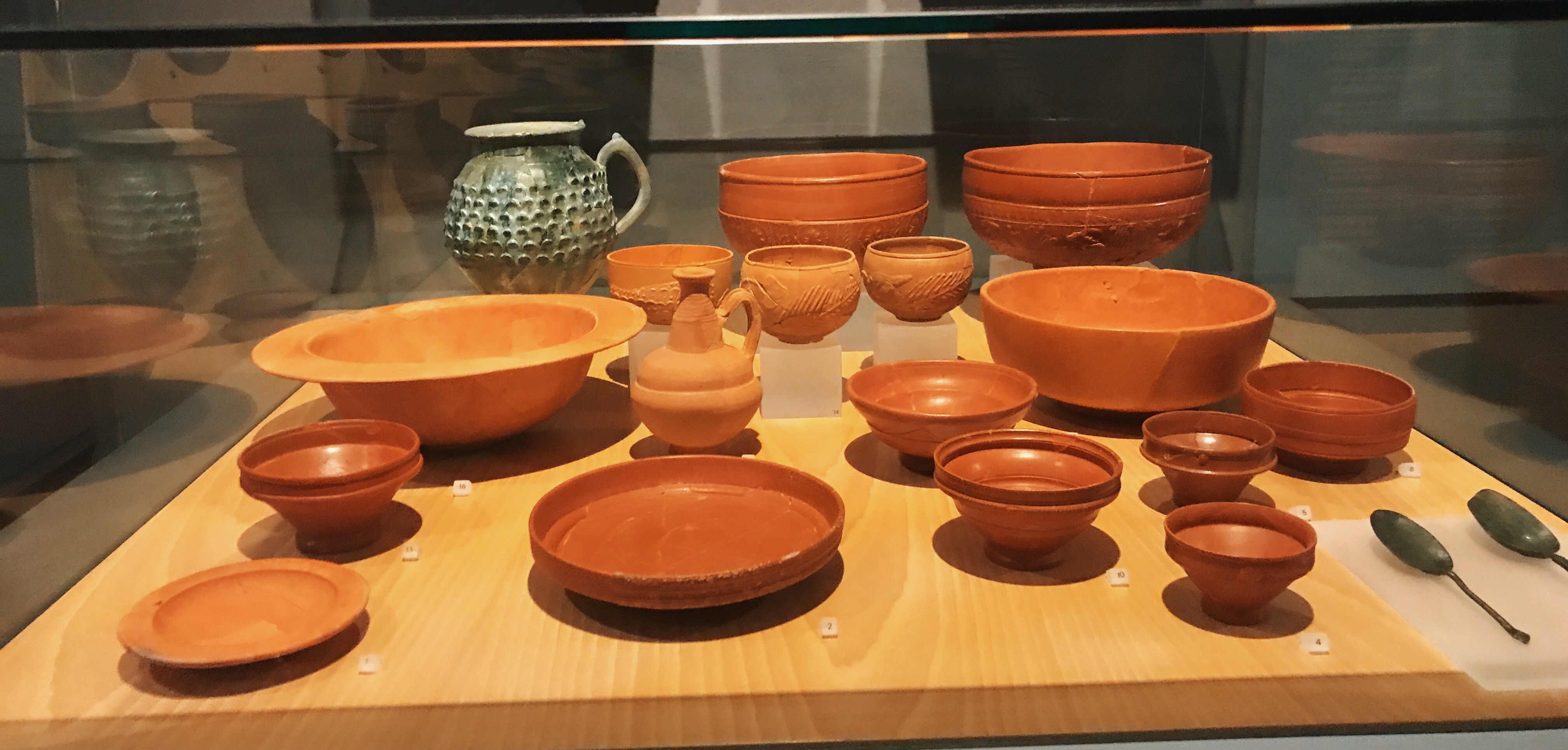
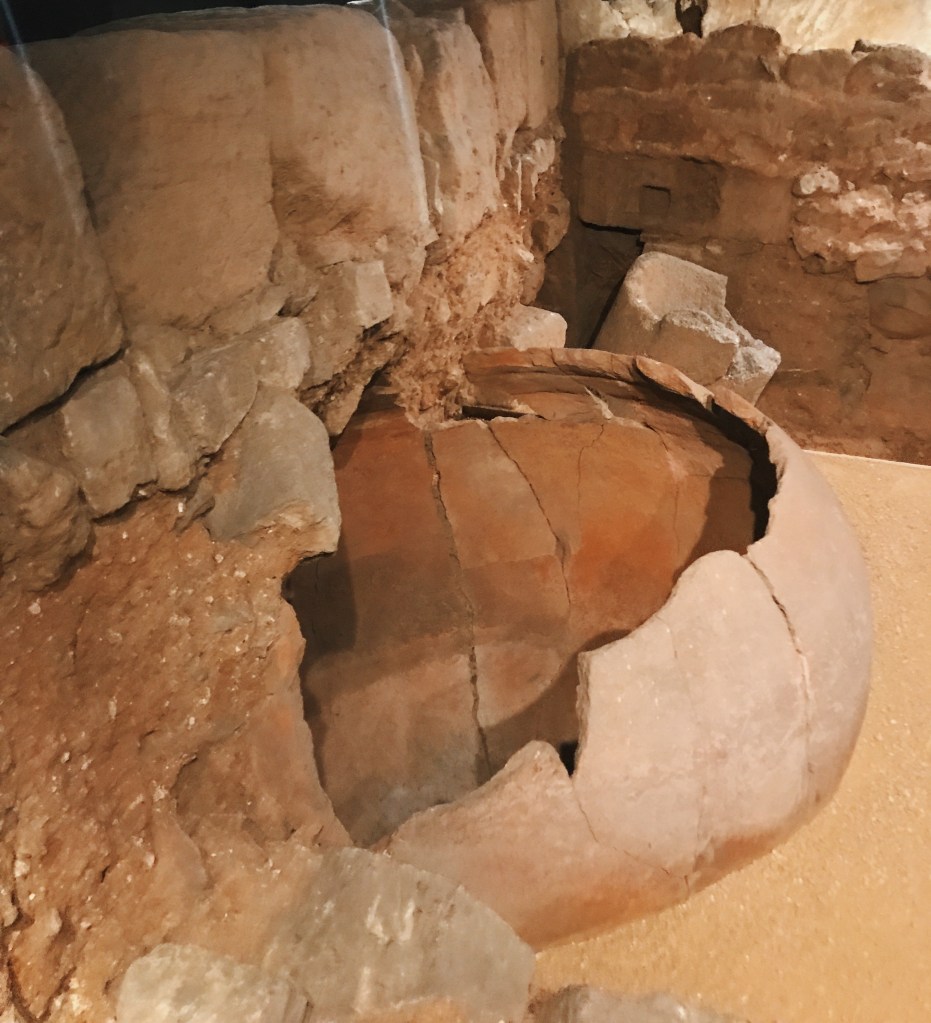
As we walked through the museum, we were able to witness some of the Roman habits characterized by domestic objects. One of the artifacts was a Roman laundry pool. This pool was filled with water and then with the Romans’ clothes. The soap, made up of lime, urine, ashes and water was added to the pool to disinfect the clothing. The laundry pool was operated by public water and slaves, making it very accessible to the Romans. I was surprised by the Roman’s emphasis on cleanliness in order to be a “clean” Christian. We also were able to see domestic objects such as dishes and utensils. These were very similar to what we use today but were made out of clay instead of glass or plastic. During Roman times, dishes were only handled by slaves as they cooked and served meals to the patritions. We also saw the large pots that the Roman’s fermented their Garum sauce in. They would ferment the organs and blood of fish for three months to create the Garum sauce which can still be eaten in multiple places in Cataluyna today.
Laundry pool
Roman Dishes
Garum pot
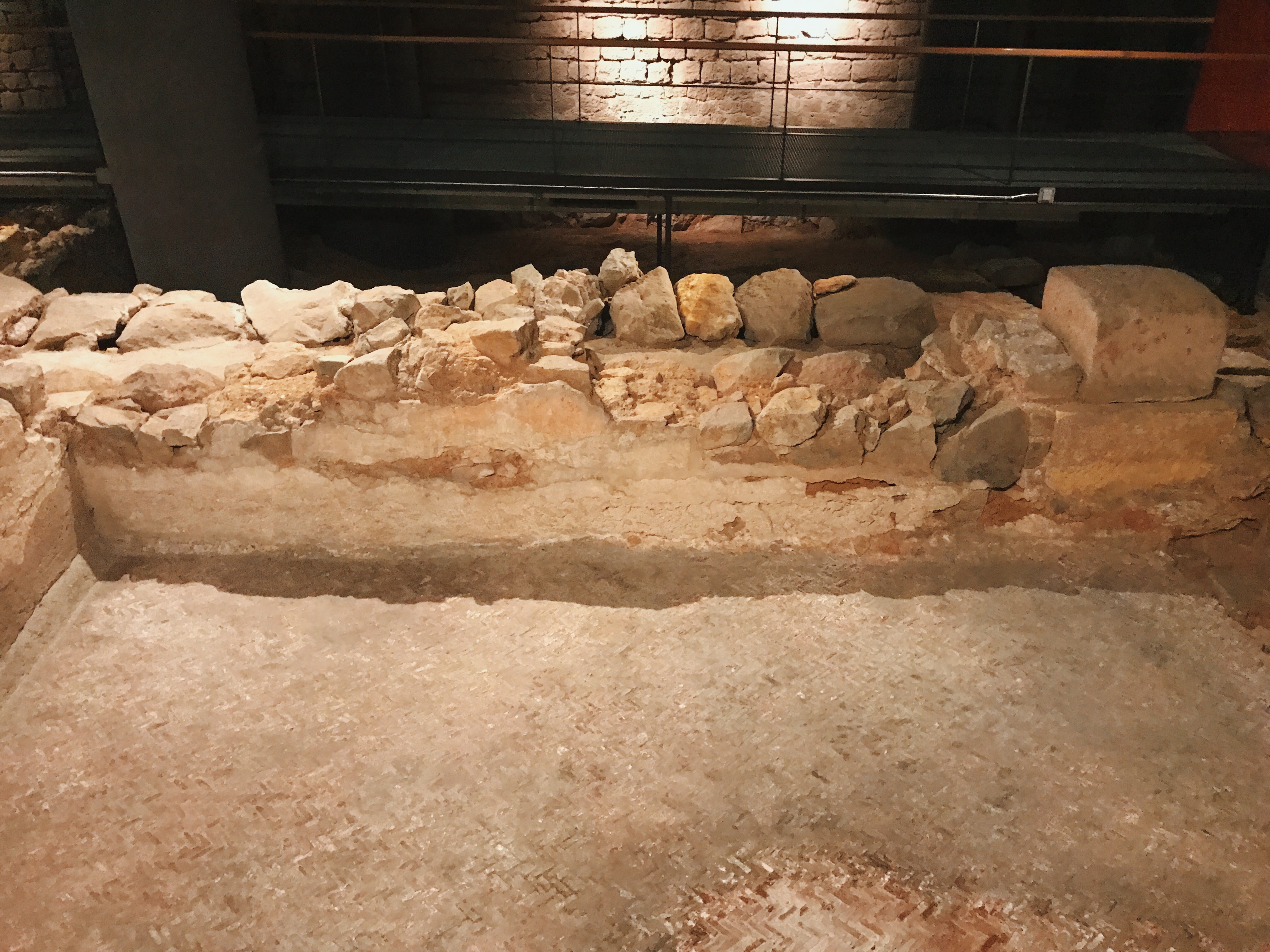
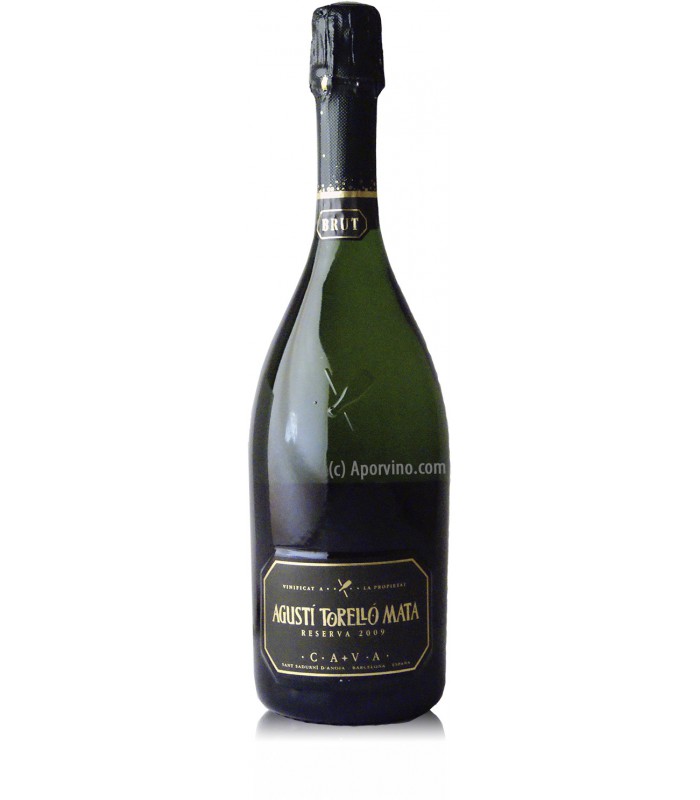
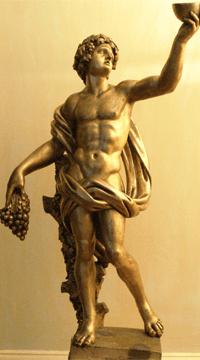
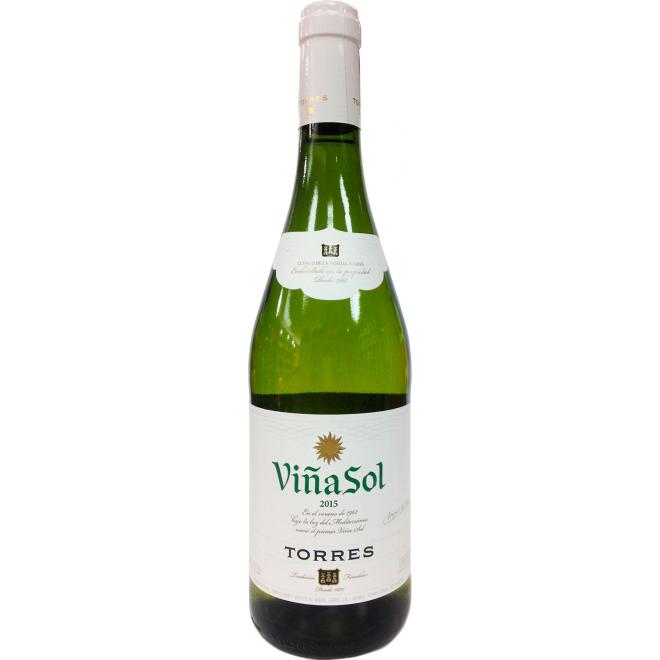
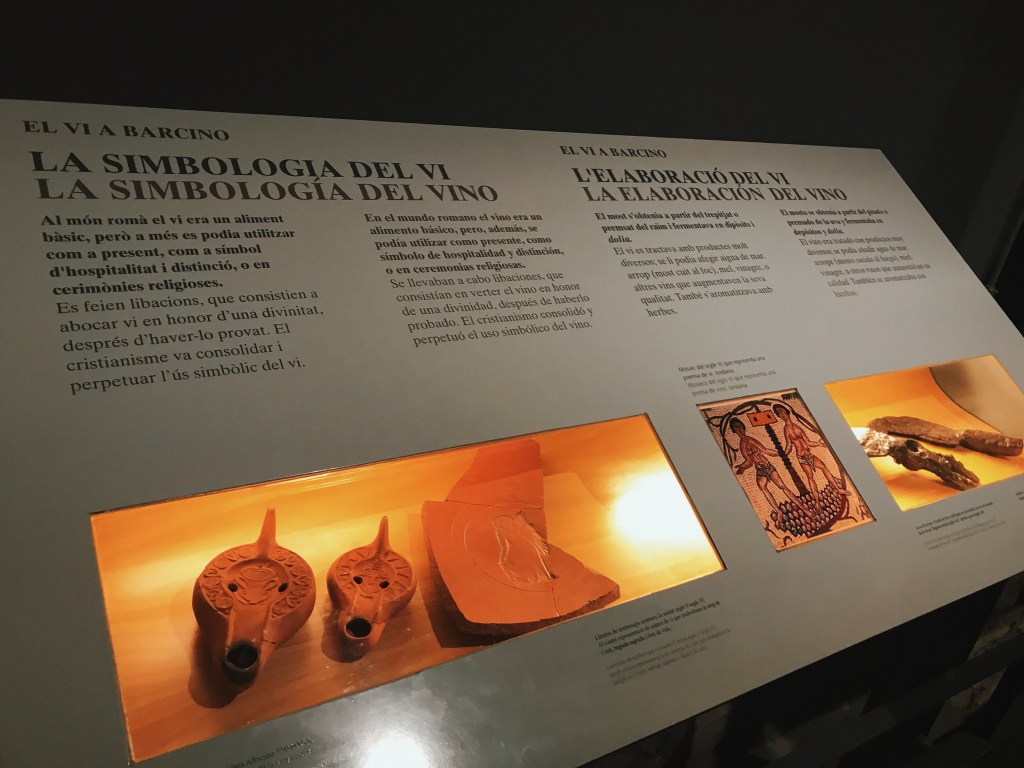
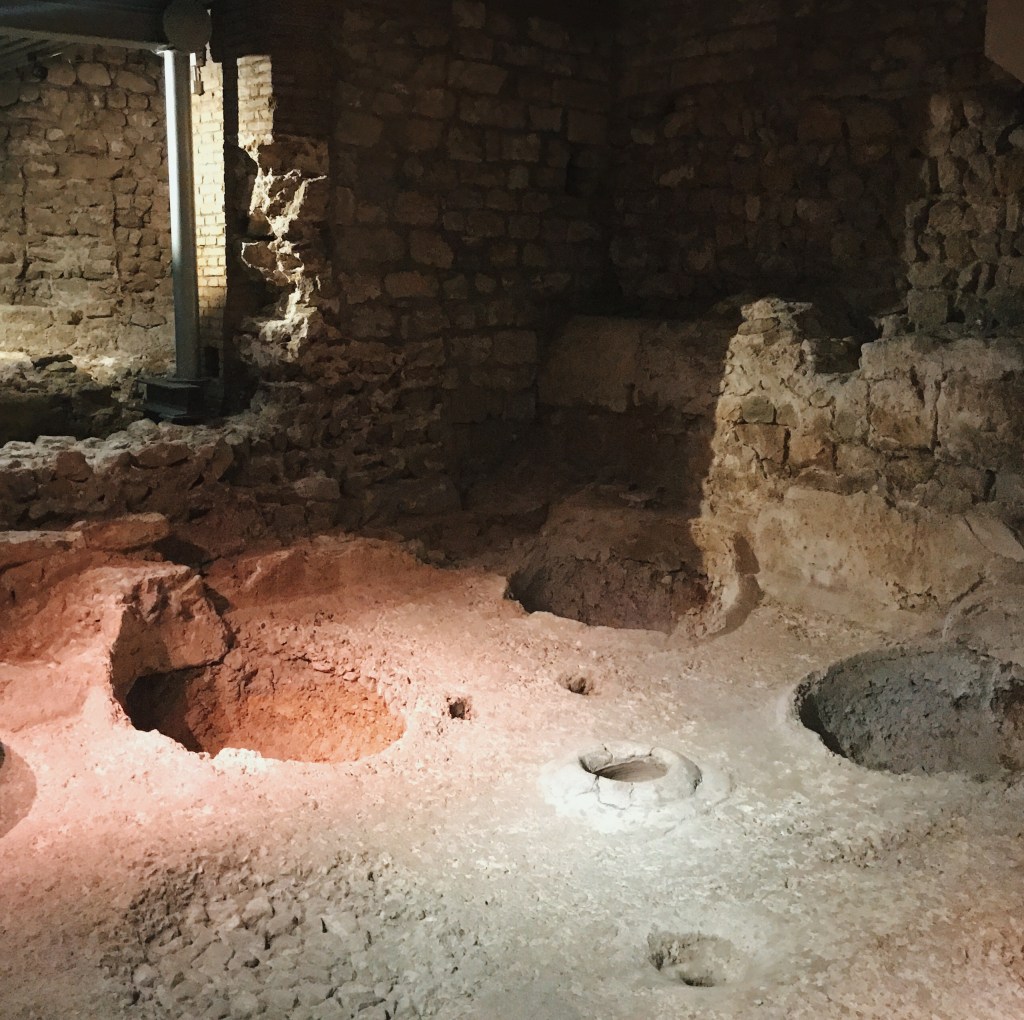
As we walked through the Roman remains in the museum we were able to see the process of the wine fermentation. The wide containers were used for the fermentation process and the Romans would usually wait two months before drinking the wine. Water, honey and sea salt were usually added to help flavor the young wine. Wine was very important in Roman culture and has remained a large part of Catalan culture. Bacchus was the Roman god of wine, making wine of religious importance to the Romans. As the Romans converted from polytheism to Christianity the sacred wine of their gods transferred to being the sacred blood of Jesus Christ. This change of religion upheld the importance of wine in Catalan culture while gradually changing the spiritual meaning over time. Today in Cataluyna, wine is consumed daily in the household but is still cherished and associated with religion. One of the most popular Cataluyan wines is Viña Sol from D.O Penedès. This wine has traditions dating back to the 6th century, having Roman influence. Another great Cataluynan wine is Augusti Torello Mata.
Bocchus- God of Wine
Artifacts of the gods of wine
Wine fermentation containers
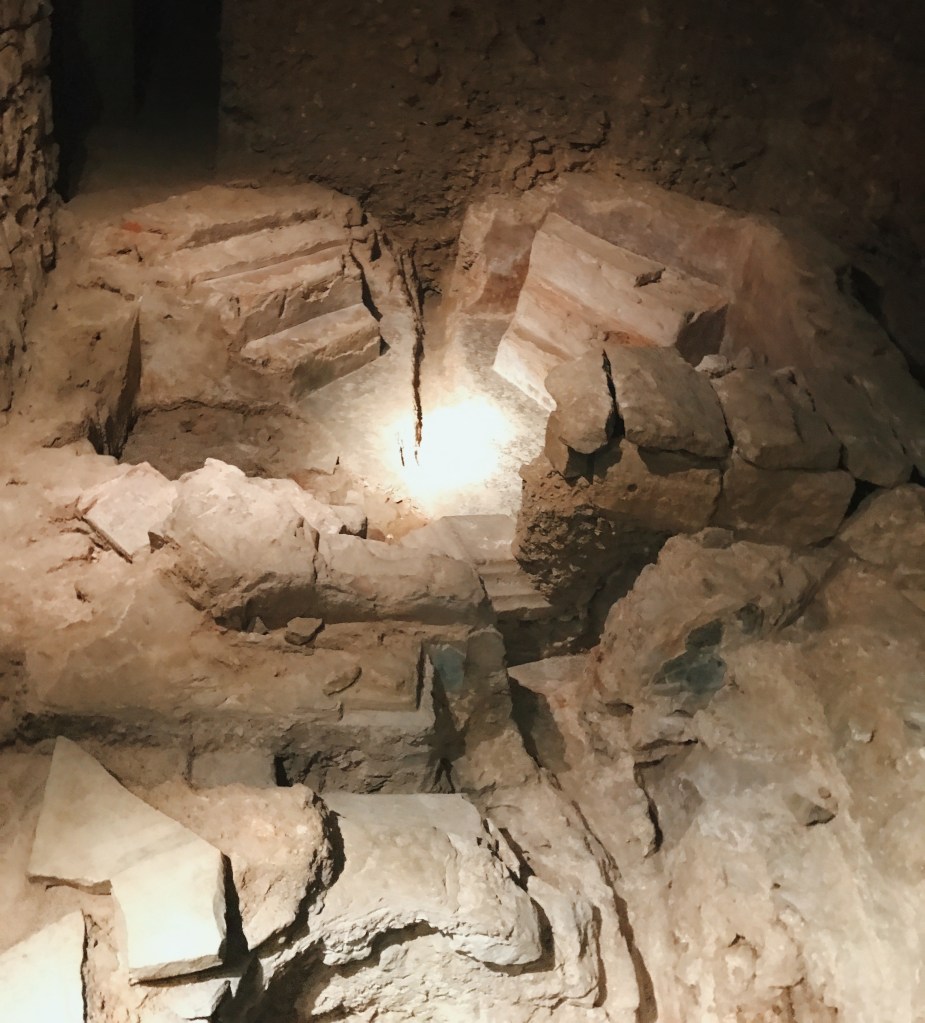
The arrival of Christianity had a large impact on the culture and architecture of Catalunya. The Visigothic architecture is more ornate than the Roman’s simple and strong architecture. This could be seen as Roman buildings were renovated with more detail and design. As I mentioned before, the change from a polytheistic religion to Christianity affected the morals and principles of Cataluyna as well. The switch to Christianity provided more values and rules for the Catalan people to adhere to. On my trip to Tarragona, I was able to catch a glimpse of Visigothoc influence in the Tarragona Cathedral. After the fall of the Roman Empire, the Visigoths built a cathedral on top of the Roman Cathedral. Some of the detail still remains on the Tarragona cathedral. We also witnessed Visigothoc influence in the first baptism pool at the museum. The Baptism pool was built in the shape of a cross, and the person being baptized would go into the water facing west and come out of the water facing east, also known as “the light” or God. This baptism pool displays clear Visigothic influence on Cataluyna and served as a major player for Cataluynan religion moving forward.

 Madison's Catalan Culture Experience